
Sign in
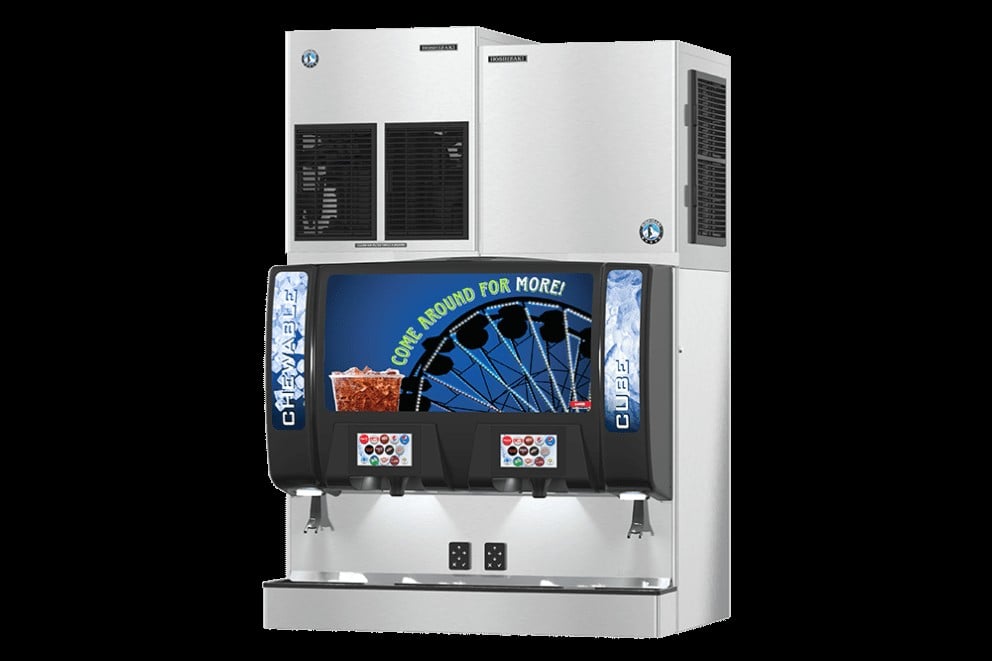
Choosing a Hoshizaki Ice Machine for Theme Parks
January 18, 2026
51
Choosing a Hoshizaki Ice Machine for Theme Parks
Quick answer: choose the system from measured peak demand, the required ice form, usable storage, and the actual installation conditions. Plan for attendance peaks, weather, concessions, restaurants, carts, staff areas, medical use, transport distance, and redundancy across widely separated service zones. Confirm the exact machine, compatible bin or dispenser, condenser arrangement, electrical service, water supply, drainage, ventilation, sanitation plan, and service access before ordering.
Measure demand before selecting equipment
Record how much ice is drawn during the busiest service period, how much must be ready before that period begins, and how quickly the reserve must recover. Avoid choosing from a generic pounds-per-day estimate alone; operating schedule, ambient temperature, incoming-water temperature, and separate service points all affect the right design.
Match the ice form to the use
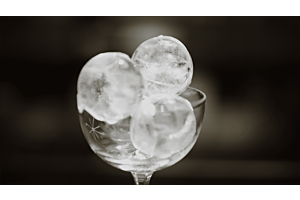
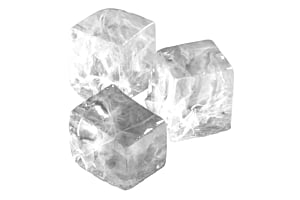
Crescent or cube ice is common for beverages. Cubelet ice is chewable and can work well in dispensers. Flake ice packs closely for displays or treatment bags. Match the ice form to the actual application and verify that the head, bin, dispenser, and accessories are approved to work together.
Compare production and storage realistically
Published production is measured under rated conditions and can fall in warmer rooms or with warmer incoming water. Storage provides a reserve but does not increase daily production. Compare peak draw, recovery time, sanitation needs, and redundancy instead of relying only on headline output.
Verify the site before ordering
- Measure the complete system, required clearances, doorways, and delivery path.
- Confirm voltage, phase, breaker, receptacle or disconnect, water pressure, drain type, and backflow requirements.
- Plan heat rejection and ventilation for the condenser arrangement.
- Leave filters, panels, and the bin accessible for cleaning and service.
Water treatment and maintenance
Match filtration to local water conditions, required flow, and the exact machine specification. Follow the manufacturer’s cleaning and sanitizing schedule, replace filters as required, and include preventive maintenance and local service access in the ownership plan.
Buyer checklist
- Measured peak demand and reserve requirement
- Correct ice form for the application
- Compatible machine, bin, dispenser, and accessories
- Verified utilities, drainage, ventilation, and clearances
- Water-treatment and sanitation plan
- Total installed cost, warranty, and service access
Use our Hoshizaki ice-machine collection, ice calculator, and filter-sizing matrix to build a shortlist. For help confirming compatibility, contact our team with your demand estimate and site details.
Best Hoshizaki Ice Machines for Theme Parks (Capacity, Footprint, Budget)
Choosing a Hoshizaki ice machine for Theme Parks starts with the operation, not a generic production number. Measure peak demand, identify every ice use, and confirm installation conditions before selecting the exact model.
Build a realistic demand profile
Include attendance peaks, concessions, outdoor heat, seasonal schedules, multiple locations, refilling logistics, and backup capacity. Record the busiest service window, operating hours, and the ice that must already be stored before the rush. Published production is measured under stated conditions and can fall with warmer air or water.
Choose the right ice and configuration
Match crescent cube, square cube, cubelet, or flake ice to the actual application. Compare undercounter equipment with a modular head and compatible bin or dispenser. Multiple points of use may require distributed machines.
Verify footprint and utilities
Check current specifications for voltage, circuit, water pressure, drainage, ventilation, condenser type, clearances, cleaning access, and compatible storage. Include doors, adapters, filters, and service access.
Plan water treatment and maintenance
Choose filtration from site water conditions, flow requirements, and manufacturer guidance. Filtration does not replace cleaning and sanitizing. Assign responsibility for cartridges, condenser care, and qualified preventive maintenance.
Compare complete-system cost
Budget for the machine, storage or dispensing, accessories, filtration, delivery, installation, permits, utility work, cleaning, and service. The best value is the correctly sized system that can be maintained properly.
Buyer checklist
- Peak demand and operating hours
- Ice type and points of use
- Storage or dispensing capacity
- Ambient and water conditions
- Utilities, drainage, ventilation, and clearances
- Water treatment and maintenance ownership
- Compatibility and current warranty terms
Build the right system: Browse Hoshizaki commercial ice machines, compare water-filtration options, and use our commercial ice buying guides.
Featured Product
Recent Posts


My Account
Sign in or create an account to check out faster and track your orders.