
Sign in
Monthly Archives: December 2025
-
December 31, 2025 99
Choosing a Hoshizaki Ice Machine for Stadiums
Quick answer: choose the system from measured peak demand, the required ice form, usable storage, and the actual installation conditions. Plan separately for concession peaks, suites or bars, team areas, and medical use; distributed production or redundancy may reduce the impact of a single outage. Confirm the exact machine, compatible bin or dispenser, condenser arrangement, electrical service, water supply, drainage, ventilation, sanitation plan, and service access before ordering.
Measure demand before selecting equipment
Record how much ice is drawn during the busiest service period, how much must be ready before that period begins, and how quickly the reserve must recover. Avoid choosing from a generic pounds-per-day estimate alone; operating schedule, ambient temperature, incoming-water temperature, and separate service points all affect the right design.
Match the ice form to the use
-
December 30, 2025 170
Choosing a Hoshizaki Ice Machine for a School
Quick answer: size the system from measured peak cafeteria, athletics, event, and staff demand—not a generic pounds-per-day rule. Confirm the required ice form, usable storage, electrical service, water supply, drainage, ventilation, sanitation plan, and service access before choosing an exact Hoshizaki model.
Start with the operation
Record the number of meals and drinks served in the busiest period, how much ice must be ready before service, and any separate demand from training rooms, concessions, nurse stations, or staff areas. If those uses occur in different parts of the campus, separate machines can be more practical than moving ice through hallways.
Choose the right ice form
Crescent or cube ice works well for beverage service. Cubelet ice is chewable and can suit dispensers. Flake ice packs closely around products and treatment bags. The best choice depends on the actual
-
December 29, 2025 131
Best Hoshizaki Ice Machines for Healthcare (Capacity, Footprint, Budget)
Intro
Choosing the right hoshizaki ice machine for healthcare is essential for patient comfort, staff efficiency, and infection control. Hospitals, clinics, rehabilitation centers, and long-term care facilities depend on clean, safe, and consistent ice production every day. Ice is used for hydration, medication support, post-surgery recovery, dietary services, and staff break areas. Hoshizaki, known for reliability and sanitary ice design, remains a leading choice for operators who need dependable healthcare ice machine performance across multiple departments. With touchless dispensing, sealed systems, and cleaner production cycles, Hoshizaki units help support strict facility hygiene standards while meeting the high capacity demands of clinical environments.
Demand Profile
-
December 28, 2025 165
Choosing a Hoshizaki Ice Machine for Convenience Stores
Quick answer: choose the system from measured peak demand, the required ice form, usable storage, and the actual installation conditions. Plan for fountain drinks, self-service dispensing, food preparation, bagged-ice handling if applicable, daily traffic patterns, and the reserve required during delivery or commuter peaks. Confirm the exact machine, compatible bin or dispenser, condenser arrangement, electrical service, water supply, drainage, ventilation, sanitation plan, and service access before ordering.
Measure demand before selecting equipment
Record how much ice is drawn during the busiest service period, how much must be ready before that period begins, and how quickly the reserve must recover. Avoid choosing from a generic pounds-per-day estimate alone; operating schedule, ambient temperature, incoming-water temperature, and separate service points all affect the right design.
Match
-
December 27, 2025 184
Best Hoshizaki Ice Machines for Hotels (Capacity, Footprint, Budget)
Intro
Selecting the right hoshizaki ice machine for hotels affects guest experience, staff efficiency, and long-term operating costs. Hotels require reliable, high-volume ice production across multiple areas—guest floors, bars, kitchens, banquet service, and grab-and-go coolers. Hoshizaki’s reputation for durability, energy efficiency, and clean ice production makes it one of the most trusted options in commercial ice equipment, especially for operations that run 24/7. With the right machine mix, hotels can reduce maintenance issues, improve guest satisfaction, and maintain strong operational reliability.
Demand Profile
Guest floor consumption
Guest floors rely heavily on self-serve ice machines. Large properties may need machines
-
December 26, 2025 165
Choosing a Hoshizaki Ice Machine for Bars
Quick answer: choose the system from measured peak demand, the required ice form, usable storage, and the actual installation conditions. Plan from the busiest service interval, drink menu, glass size, back-bar stations, premium-ice presentation, and the reserve needed to avoid interrupting bartenders. Confirm the exact machine, compatible bin or dispenser, condenser arrangement, electrical service, water supply, drainage, ventilation, sanitation plan, and service access before ordering.
Measure demand before selecting equipment
Record how much ice is drawn during the busiest service period, how much must be ready before that period begins, and how quickly the reserve must recover. Avoid choosing from a generic pounds-per-day estimate alone; operating schedule, ambient temperature, incoming-water temperature, and separate service points all affect the right design.
Match the ice form to the use
Crescent
-
December 25, 2025 312
Quick answer: Choose a Hoshizaki restaurant ice machine by measuring peak-period ice use, selecting the ice form for the menu, and matching the exact machine, bin or dispenser, condenser, electrical service, water supply, drainage, ventilation, and service access. Use the current specification sheet and installation manual for the complete model number; a headline pounds-per-day rating is not a guarantee under every kitchen condition.
Start with the restaurant's actual ice demand
Separate beverage ice, bar ice, food-display or preparation ice, employee use, takeout service, catering, and any ice supplied to another station. Measure representative portions and use point-of-sale counts from busy days. Record when ice is consumed because a two-hour rush can exhaust usable storage even when the 24-hour production total appears adequate.
Generic pounds-per-guest rules can be useful for an early estimate, but they are not a purchase specification. Menu mix,
-
December 24, 2025 85
Quick answer: Ice type can affect beverage presentation, portion consistency, perceived value, and how quickly a drink changes after service. The profitable choice is the Hoshizaki ice style that fits the menu and workflow while meeting peak demand reliably—not simply the machine with the highest production number.
How ice choice influences beverage profit
Ice is part of the finished beverage. Its shape, texture, displacement, and melt behavior influence the way a drink looks, how much liquid is poured, how consistently employees build it, and how guests experience it. Those small differences can affect ingredient use, service speed, repeat purchases, and waste across hundreds of drinks.
The goal is not to minimize liquid at the expense of the customer. The goal is to establish an intentional recipe: the correct glass, measured ingredients, specified ice fill, and repeatable presentation. When the equipment consistently supplies the ice that recipe requires,
-
December 23, 2025 170
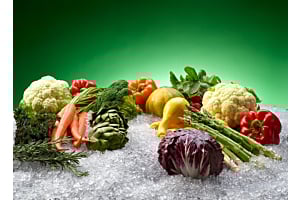
Quick answer: Hoshizaki flake ice is designed for applications that need a soft, moldable bed of ice around displayed food. It can support attractive seafood, produce, salad-bar, and specialty-food presentations, but the correct machine and storage setup must be selected from the current Hoshizaki documentation for the actual demand, operating conditions, and local electrical requirements.
Why flake ice works well for food displays
Food merchandising asks ice to do more than cool a product. The ice also shapes the display, fills gaps, supports pans or packaged items, and contributes to the customer’s first impression. Flake ice is made of small, irregular pieces that settle closely together. That texture makes it easier to form a smooth bed, build gentle slopes, and surround products without the large open spaces created by conventional cubes.
Because flakes conform to the display, staff can refresh individual areas without rebuilding the entire presentation.
-
December 22, 2025 88
Quick answer: Choose Hoshizaki cubelet ice when its soft, compact texture supports the beverages, guest preferences, dispensing method, and service volume of the operation. Cubelet ice can be appealing in soft drinks and selected self-service programs, but it is not automatically right for every restaurant, healthcare setting, hotel, or bar. Match the exact machine to measured demand, utilities, storage, and sanitation requirements.
What is Hoshizaki cubelet ice?
Cubelet ice is formed from compressed flakes, creating small, irregular pieces with a softer texture than many solid cubes. Hoshizaki F-series cubelet configurations include different equipment types and capacities. The exact model number determines production, electrical requirements, condenser arrangement, dimensions, storage compatibility, and installation details.
Do not treat “cubelet” as a complete specification. Some machines are production heads, while others may be paired with storage

Featured Product
Recent Posts

My Account
Sign in or create an account to check out faster and track your orders.