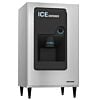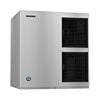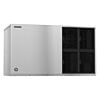
A lineup showing six different sizes of Hoshizaki modular ice storage bins with black polyethylene slide lids

A solid plan to clean your Hoshizaki evaporator and bin helps maintain hygiene - especially vital if you run a restaurant, café, or bar using this brand’s ice machine. Since ice counts as food, skipping regular wipe-downs of the cooling unit or storage container can become risky.


If you don’t clean it regularly, gunk like bacteria or mold might grow inside - along with hard water buildup. Doing the proper steps every now and then keeps your ice healthy, maintains how much you make daily, while also meeting safety rules - and no repair guy needed.


Why It Matters


Wellness meets safe eating habits

Ice touches drinks, tools, or fingers right away. If the evaporator’s dirty, germs move straight into what people sip. Keeping bins clean helps stop germs from spreading while keeping folks safe.


Consistent machine performance

Mineral buildup on the cooling part blocks efficient temperature exchange, which drags down freezing speed while cutting ice production. Eventually, that extra pressure wears out your business-grade ice maker faster.


Protecting bin-and-head combinations

If you use a Hoshizaki bin combo, clean it often - this stops gunk from forming or smells piling up while keeping ice loose. A tidy bin means ice flows smoothly when needed without getting stuck during busy shifts.


Tools You’ll Need


Food-safe ice machine cleaner and sanitizer

Stick to cleaners cleared for ice makers. They tackle gunk plus germs while protecting the cooling parts inside.


Soft brushes or a clean cloth

Soft bristles or microfiber wipes help remove grime from steel finishes and tight spots while avoiding scrapes.


Replacement water filters

Although not part of the cleaning itself, fresh filters from the water filters collection reduce mineral buildup and help keep the machine cleaner between service intervals.


Cleaning Steps


Turn off the device, then clear out the container

Switch off the device, and then close the water valve. Get rid of any old ice so you can reach all the inside parts.


Step 2: Clean the evaporator

Follow the cleaning steps in your unit’s guide, using a safe ice machine solution. That breaks down hard water buildup over time. Use only what's meant for this appliance - regular cleaners can harm surfaces that touch food.


Step 3: Sanitize internal surfaces

Once you've removed the limescale, start a cleaning wash. That wipes out germs along with slimy buildup hiding inside the vaporizer.


Step 4: Clean the bin first, then use a sanitizing solution

Scrub the inside of the bin, including walls, baffle, door, and lid bottom. Give it a solid rinse before spraying on a safe disinfectant meant for food areas. When ignored, ice bins can get way dirtier compared to the cooling unit.


Step 5: Air-dry and restart

Let every part dry naturally before turning the unit back on. That way, the cleaning solution stays strong while the initial ice forms without gunk.


How Often to Clean


Standard recommendation

At the very least, clean the evaporator along with the bin twice a year. A lot of health agencies want proof that maintenance happens on schedule.


Bathrooms or spots that get lots of traffic

Bars or cafes in damp spots might require a wipe-down every couple of months. Since moisture speeds up mold, trash containers can get gross fast.


Problematic water conditions

If you see scale or foggy ice before cleaning, your water might be the issue. Better filters could cut down gunk - meaning fewer heavy-duty washes later.


When to Call for Service


Smelly stuff keeps coming back - sometimes there’s gunk too

If odors come back fast after wiping things down, a skilled worker might need to clean inside more thoroughly - so it stays fresh longer.


Rapid scale buildup

A specialist might check your water setup, then suggest better filters - or fix hidden problems causing tough buildup.


Problems started showing up once the system got cleaned

If the machine struggles to restart or output drops after service, schedule a professional inspection through our service page.


Book service or set up PM: visit our service page or message us on our contact page.

Cleaning Guide: Keep Your Hoshizaki Evaporator and Bin Sanitary

Intro

A proper cleaning guide: keep your Hoshizaki evaporator and bin sanitary is essential for anyone running a restaurant, café, bar, or any operation that relies on a Hoshizaki ice maker. Even though ice is a food product, many operators underestimate how much bacteria, mold, and scale can build up inside the evaporator and the ice storage bin. The good news? With the right steps and consistent routines, you can keep your machine safe, efficient, and fully compliant with health codes—without needing to be a technician.

Why It Matters

Health and safety

Ice touches drinks, utensils, and customer hands. If your evaporator or bin is dirty, contaminants can transfer directly into beverages. Following proper ice bin maintenance prevents cross-contamination and protects your guests.

Machine performance

A dirty evaporator reduces heat transfer, leading to slow harvest cycles and reduced production. Over time, this strain can damage components and shorten the lifespan of your commercial ice equipment.

Protecting your bin combo

If you’re using a Hoshizaki bin combo—for example, a head unit paired with a stainless bin—regular cleaning prevents odors, slime buildup, and clumping ice, all of which affect daily operation.

Tools

Food-safe ice machine cleaner and sanitizer

Use only solutions approved for ice machines. These are designed for evaporator metals and won’t damage components.

Soft brushes and clean cloths

These help scrub accessible surfaces without scratching stainless steel or evaporator plates.

Replacement water filters

While not part of the cleaning itself, replacing filters—found in our water filters collection—helps keep mineral buildup low and reduces future cleaning needs.

Steps

1. Turn off and empty the machine

Shut off power and water. Remove all ice from the bin to give yourself access to every surface.

2. Clean the evaporator

Follow your model’s manual to run a cleaning cycle using ice machine cleaner. This removes scale and mineral deposits from the evaporator’s metal surfaces. Never use household cleaners—these are unsafe for food contact.

3. Sanitize internal components

After cleaning, run a sanitizing cycle. This step targets microbial growth that may be present even when the evaporator looks clean.

4. Wash the interior of the bin

Scrub all surfaces: walls, baffle, door, and underside of the lid. Rinse with clean water and apply a food-safe sanitizer. This is where most operators miss germs—bins can harbor more contaminants than the machine itself if left unchecked.

5. Dry and restart

Allow the bin to air-dry before restarting the machine. This prevents sanitizer dilution and helps your first batch of ice freeze cleanly.

Frequency

Standard recommendation

For most operations, cleaning the evaporator and bin every 6 months is the minimum requirement. Many health inspectors expect documented cleaning at this interval.

High-use or humid environments

Bars, cafés, and foodservice locations in humid climates may need cleaning every 2–3 months. Warm, moist air accelerates mold growth in the bin.

Water quality issues

If you see visible scaling or cloudy ice between scheduled cleanings, your water quality may be the issue. Upgrading filtration helps reduce buildup and can significantly extend cleaning intervals.

When to Call Service

Persistent odors or slime

If your bin or evaporator continues to develop odors shortly after cleaning, internal components may need a deeper professional sanitation.

Scaling that returns quickly

A technician can inspect your water system and advise if filtration upgrades are needed or if underlying mechanical issues are contributing to scale formation.

Performance problems after cleaning

If production drops or the machine fails to restart correctly after cleaning, professional help may be needed. You can schedule service on our service page.

Book service or set up PM: visit our service page or message us on our contact page.