A skilled Hoshizaki technician in safety glasses is meticulously assembling a refrigeration unit on the factory's production line

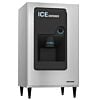
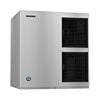
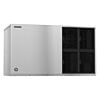
Understanding the electrical requirements for Hoshizaki ice machines, including amps, voltage, and circuits, is a crucial step in planning a safe and reliable installation. Each model, from compact undercounter units to large stackable heads, has specific power needs that must be met before starting.


An incorrect electrical setup can lead to downtime. It can also damage components, void warranties, and result in expensive repairs. This guide outlines amps, voltage, and circuit requirements in straightforward terms for operators and anyone preparing an ice machine for business.


Electrical Requirements Explained


Voltage and phase requirements

Most Hoshizaki ice machines run on either 115V single-phase or 208–230V single- or three-phase power. The specific voltage requirements depend on the machine's size, production capacity, and condenser type.


Larger units, especially those with remote condensers, usually need 208–230V because their compressors draw higher loads. Always check the dataplate on the machine against Hoshizaki’s installation documentation.


Amperage and circuit load

Each unit specifies a minimum amp draw and recommended circuit size. Small undercounter models may run on 15A or 20A circuits, while high-capacity heads typically need dedicated 30A or 40A circuits.


Dedicated circuits are crucial. Shared lines are a common cause of nuisance shutdowns and breaker trips in commercial ice equipment.


Breaker and wiring requirements

Correct breaker sizing and wire gauge protect the machine from overload and overheating. This is a vital part of any professional installation guide, as improper wiring can shorten the equipment's lifespan or create safety hazards.


Heat load, airflow, and electrical performance

Air-cooled machines emit heat into the room. Without sufficient air-cooled clearance, internal temperatures rise, amp draw increases, and components wear out faster. Electrical performance and ventilation are interconnected, and both need attention.


Installation Steps


Step 1: Review electrical specifications before installation

Check the model manual for voltage, phase, amp draw, HACR breaker size, and wiring suggestions. Share these specifications with your electrician and use our installation page for planning assistance.


Step 2: Confirm dedicated circuit availability

Inspect the electrical panel to ensure there is a suitable circuit available. Undersized or shared circuits often lead to breaker trips and startup failures.


Step 3: Verify outlet or hard-wire requirements

Some Hoshizaki machines plug into a receptacle, while others must be hard-wired. Confirm this detail early so the installer brings the correct materials.


Step 4: Prepare the installation environment

Remove obstructions, confirm needed clearances, and ensure proper ventilation. Electrical components work best in cool, well-ventilated areas.


Step 5: Complete wiring and power testing

After wiring, technicians should check voltage under load, confirm polarity, and measure amp draw to ensure stability before ice production starts.


Step 6: Supervise the first production cycle

Monitor the initial freeze and harvest cycles for breaker trips, voltage fluctuations, or unusual sounds. Addressing early issues is easier before full operation begins.


Common Electrical Pitfalls


Incorrect voltage at the outlet

Supplying the wrong voltage reduces efficiency and can harm internal components. Incorrect phase wiring on 230V units might prevent startup.


Shared electrical circuits

Kitchen equipment like microwaves, heaters, and refrigeration units often share power lines. This creates unstable voltage and raises the risk of downtime.


Poor airflow and heat buildup

Inadequate ventilation makes machines run hotter, increasing amp draw and speeding up wear. Clearance is essential, not optional.


Incorrect breaker or wire size

Oversized breakers fail to protect the machine, while undersized breakers trip frequently. Both situations reduce equipment lifespan.


Skipping professional verification

Electrical work should always be done by licensed professionals. If breakers trip after installation, schedule a diagnosis through the service page.


Final Electrical Checks


Confirm stable voltage under load

Voltage should stay within the manufacturer's tolerance while compressors and pumps operate.


Verify proper grounding

Correct grounding protects both the equipment and the building from electrical faults.


Test production and harvest cycles

Ice should form and release smoothly without delays, noise, or irregular shapes.


Confirm final placement and airflow

Ensure that intake and exhaust vents are clear. Airflow significantly affects power draw and long-term reliability.


Plan your install with our team — see the installation page or contact us at our contact page.

Electrical Requirements for Hoshizaki Ice Machines (Amps, Voltage, Circuits)

Intro

Understanding the electrical requirements for Hoshizaki ice machines (amps, voltage, circuits) is one of the most important parts of planning a safe and successful installation. Each model—whether a small undercounter unit or a large stackable head—has specific voltage specs, breaker requirements, and circuit needs. Getting these details wrong doesn’t just risk downtime; it can damage the equipment, void warranties, and increase long-term repair expenses. This guide gives a clear, simplified explanation suitable for operators, managers, and anyone preparing an ice machine for business to go online.

Requirements

Voltage and phase requirements

Most Hoshizaki models fall into one of two categories: 115V single-phase or 208-230V single- or three-phase. Your exact voltage specs depend on the size and condenser type. Larger machines, especially those paired with remote condensers, often require 208-230V because the compressor draws more power. Always compare the dataplate on the machine with the installation documents provided by Hoshizaki.

Amperage and circuit load

Every unit has a minimum amp draw and a recommended circuit size. Some smaller undercounter machines work on a standard 15A or 20A circuit, while high-production heads may require a dedicated 30A or 40A line. When planning, assume the machine needs its own dedicated circuit—shared electrical lines are one of the most common causes of nuisance shutdowns.

Breaker and wiring requirements

Correct wire gauge and breaker size protect the machine from overload conditions. This is a core part of a professional installation guide because incorrect wire sizing can lead to overheating and premature equipment failure.

Location, airflow, and heat output

Electrical needs are also influenced by heat load. Air-cooled units release heat into the room, so proper air-cooled clearance is required for safe operation. Heat buildup increases amp draw and shortens equipment life. Ensuring enough space around the machine helps maintain efficient power usage.

Steps

1. Review all electrical specifications before installation

Start with the model manual, which lists voltage, amps, phase, HACR breaker size, and recommended wiring. If you’re coordinating your project, share these documents with your electrician and direct them to our installation page for additional guidance.

2. Confirm circuit availability and capacity

Check the panel to ensure a dedicated circuit is free and suitable for the machine’s load. Undersized circuits are a leading cause of breaker trips in commercial ice equipment.

3. Verify the correct outlet or electrical connection

Some units plug in, while others require hard-wiring. Confirm your machine type so your installer is prepared with the correct components.

4. Prepare the installation environment

Remove obstructions, measure clearances, and confirm the machine can vent heat properly. Electrical components perform best in cool, well-ventilated areas.

5. Complete wiring and power-up testing

After wiring the unit, technicians will test voltage under load, confirm polarity, and measure amp draw. This ensures the system is stable before ice production begins.

6. Perform a supervised first cycle

During the first freeze and harvest cycles, watch for irregular noises, voltage fluctuations, or breaker trips. Early detection prevents long-term problems.

Common Pitfalls

Incorrect voltage at the outlet

Plugging a 115V machine into an unstable or incorrectly wired circuit reduces efficiency and can damage internal components. For larger 230V machines, incorrect phase wiring can prevent startup completely.

Shared electrical circuits

Microwaves, toasters, heaters, and refrigeration units often share circuits in commercial kitchens. This leads to unpredictable power fluctuations and increased downtime.

Ignoring heat load and clearance issues

Poor ventilation forces the machine to run hotter, drawing more amps and increasing wear. Proper spacing is not optional—it’s essential.

Incorrect breaker and wire size

Oversized breakers put the machine at risk. Undersized breakers trip constantly. Both issues shorten equipment lifespan.

Skipping professional verification

DIY electrical work is risky. Partnering with a licensed installer protects the equipment and ensures compliance with safety codes. If a machine begins tripping breakers after installation, schedule diagnosis via our service page.

Final Checks

Confirm stable voltage under load

Voltage should stay within the acceptable range even when compressors and pumps engage.

Verify proper grounding

Grounding protects the machine and the building from electrical faults.

Test production and harvest cycles

The ice should release cleanly, without unusual delays or irregular cube formation.

Check airflow and final placement

Ensure no items are blocking the intake or discharge vents. Airflow directly affects power draw and overall performance.

Plan your install with our team — see our Installation page or contact us for support.