
Sign in
Air-Cooled vs Water-Cooled Hoshizaki: Which Is Better for You?
November 27, 2025
678
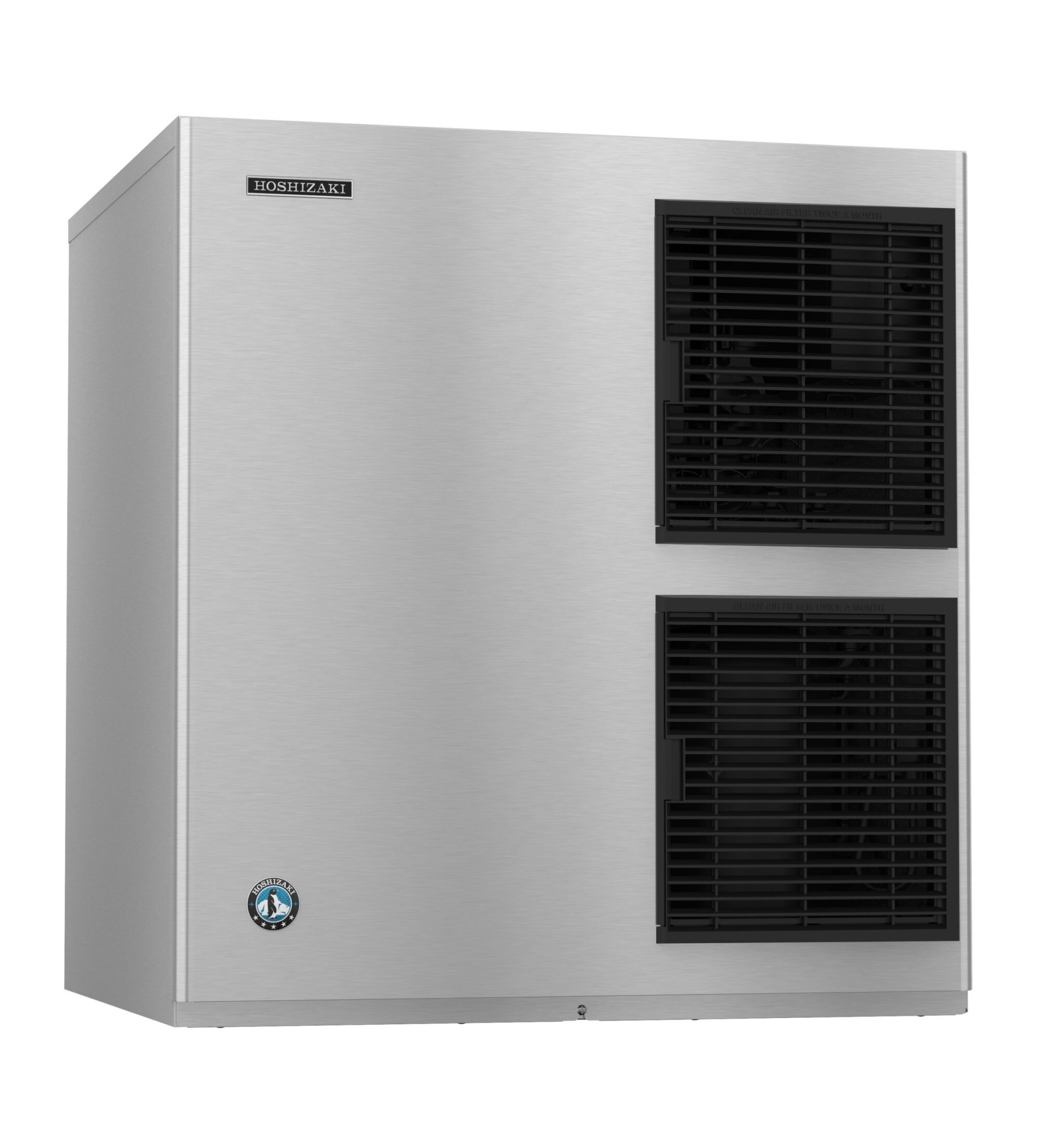
Air-cooled and water-cooled describe how an ice machine rejects heat. The better choice depends on ventilation, ambient conditions, water availability and cost, utility capacity, installation requirements, and the exact model’s published performance.
Quick answer: Air-cooled is usually the simpler choice when the room can maintain the required airflow and clearances. Water-cooled can make sense where the exact installation conditions support it, but it requires condenser-water supply and drainage and may increase water use.
- Choose air-cooled when: required ventilation and clearances can be maintained.
- Consider water-cooled when: heat rejection or airflow is a documented constraint and local water use, cost, and discharge requirements have been evaluated.
- Always verify: the exact model specification sheet and installation manual before purchase.
Who This Comparison Is For
This guide is for operators, designers, and installers choosing a condenser configuration for a commercial Hoshizaki ice machine. Select the ice type and production range first, then compare the air-cooled and water-cooled versions that are actually available for the required model family.
How the Two Configurations Differ
Air-Cooled Ice Machines
An air-cooled condenser transfers heat to surrounding air. The unit needs the clearances, airflow, and ambient conditions stated in its manual. Air-cooled models do not require a condenser-water circuit, but they release heat into the installation area and their production can change as ambient temperature rises.
Water-Cooled Ice Machines
A water-cooled condenser transfers heat through a separate condenser-water circuit. The installation must provide the specified water supply, flow, pressure, drainage, and any locally required treatment or controls. Water-cooled should not be selected merely because a room is small; the complete utility and regulatory requirements must be checked first.
Key Buyer Considerations
Installation Environment
Measure room temperature, available clearances, ventilation, and heat rejection. For an air-cooled model, confirm that intake and exhaust paths will remain unobstructed after surrounding equipment is installed. For a water-cooled model, confirm that the site can support its condenser-water arrangement and discharge requirements.
Utility Use and Operating Cost
Compare exact-model energy and water data and local utility rates. Do not assume one condenser type always costs less to operate. Include any effect on building cooling, water and sewer charges, treatment, pumps, and maintenance. A model-to-model calculation is more reliable than a brand-wide claim.
Water Availability and Rules
Evaluate water availability, quality, cost, discharge limits, and local code requirements before considering water-cooled equipment. Some jurisdictions or facilities may restrict once-through condenser water. A qualified designer or installer should confirm what is permitted at the site.
Service Access
Review condenser cleaning or water-circuit service requirements, access panels, filter or treatment needs, local technician coverage, parts availability, and warranty terms for the exact model. Do not infer service frequency or reliability from the brand name alone.
Match the Condenser to the Ice Application
Condenser type does not determine ice type. Hoshizaki families offer different ice forms, production ranges, and configurations. Start by choosing the ice form that fits the menu or application, then compare available condenser options within that family. Explore the Hoshizaki ice-machine collection and use our ice-type guide to narrow the field.
Production and Storage Planning
Use documented peak-day demand and the exact performance table for expected ambient-air and inlet-water conditions. Air-cooled and water-cooled versions may have different ratings and utility requirements. Pair the selected machine with a compatible bin or dispenser sized for peak withdrawals. The ice calculator can provide a planning estimate, but the final selection should be checked against current model documentation.
Installation Checklist
- Confirm that the selected model is offered in the desired condenser configuration.
- Verify production at expected air and water temperatures.
- Check voltage, phase, amperage, circuit protection, and receptacle.
- Confirm potable-water and condenser-water requirements separately.
- Verify drains, routing, slope, and discharge requirements.
- Maintain the exact clearances and airflow path in the manual.
- Provide space for cleaning, inspection, and component service.
- Have a qualified installer confirm codes and utilities before delivery.
Maintenance Differences
Both configurations require cleaning, sanitizing, water-treatment service, and inspection according to the exact model manual and local conditions. Air-cooled condensers may require more frequent attention where airborne grease, dust, or lint accumulates. Water-cooled systems require attention to the condenser-water circuit and scale or fouling risks. Track production and operating conditions so a change can be investigated before it becomes an ice shortage.
Which One Is Better?
Neither condenser type is universally better. Air-cooled is often appropriate where ventilation and clearance are adequate and avoiding condenser-water use is important. Water-cooled may be appropriate where its published performance and site-specific heat-rejection needs justify the added water and installation requirements. Choose from exact model data, utilities, codes, total installed cost, and service support.
Need help comparing current models? Review Hoshizaki ice machines, visit technical support and service tips, or contact us with your demand and site conditions.
Featured Product
Recent Posts



My Account
Sign in or create an account to check out faster and track your orders.