
Sign in
Remote Condenser vs Self-Contained: Hoshizaki Installation Choices Explained
November 28, 2025
192
Opting for a remote condenser instead of a built-in unit changes how much you spend upfront, where the heat goes, sound levels, and how well it lasts. Get it wrong, then expect issues like too much heat, noisy running, and even paying more to fix bad setups down the line. Here’s a straightforward look at each type - helps you choose what actually fits your spot.
Who It's For
This piece is aimed at workers, builders, or people starting out who need straightforward info on how different condensers work in real situations. When fixing up an old system or setting up a new spot from the ground, this breakdown shows what’s needed, keeps issues away, and helps you set things up without doubt. While checking models, look into the Hoshizaki KM Edge line - or niche picks such as flake makers and cubelet units.
What to think about - remote cooler or built-in one: how Hoshizaki setup options work
Noise plus temperature control
Standalone units hold all parts in one box, so set up’s quick - yet they blast warmth and sound right into your cooking or drinking space. On the flip side, remote setups shift the cooling gear outdoors or up on roofs, pulling heat away while quieting indoor hums. That helps tight spots like compact kitchens or shut-in lounges where staying cool and calm counts.
Expert setup tips: elements
A remote condenser means running coolant pipes, placing the unit outside or on the roof, and setting up good air movement. It’s trickier to set up - yet gives you less noise plus lower temps inside. Standalone models? Just hook them up - they’re ready. But they might need better airflow nearby so things run steady.
Drain needs or plumbing setups
All commercial ice makers need proper drainage; however, remote setups can shift where you put the drains. Standalone models usually just use a floor drain - or maybe a pump if needed - depending on setup. Machines with separate condensers might demand trickier pipe paths based on space and parts layout. That’s why checking the installation manual ahead of time really helps avoid issues.
Environmental suitability
If your space heats up, a standalone unit works harder since it releases warmth right back inside. Instead of that, an outdoor condenser keeps things cool by sitting outside, so the system runs strong when you need it most. In tight, cooled areas, steady output might justify the extra setup price.
Model / Ice-Type Fit
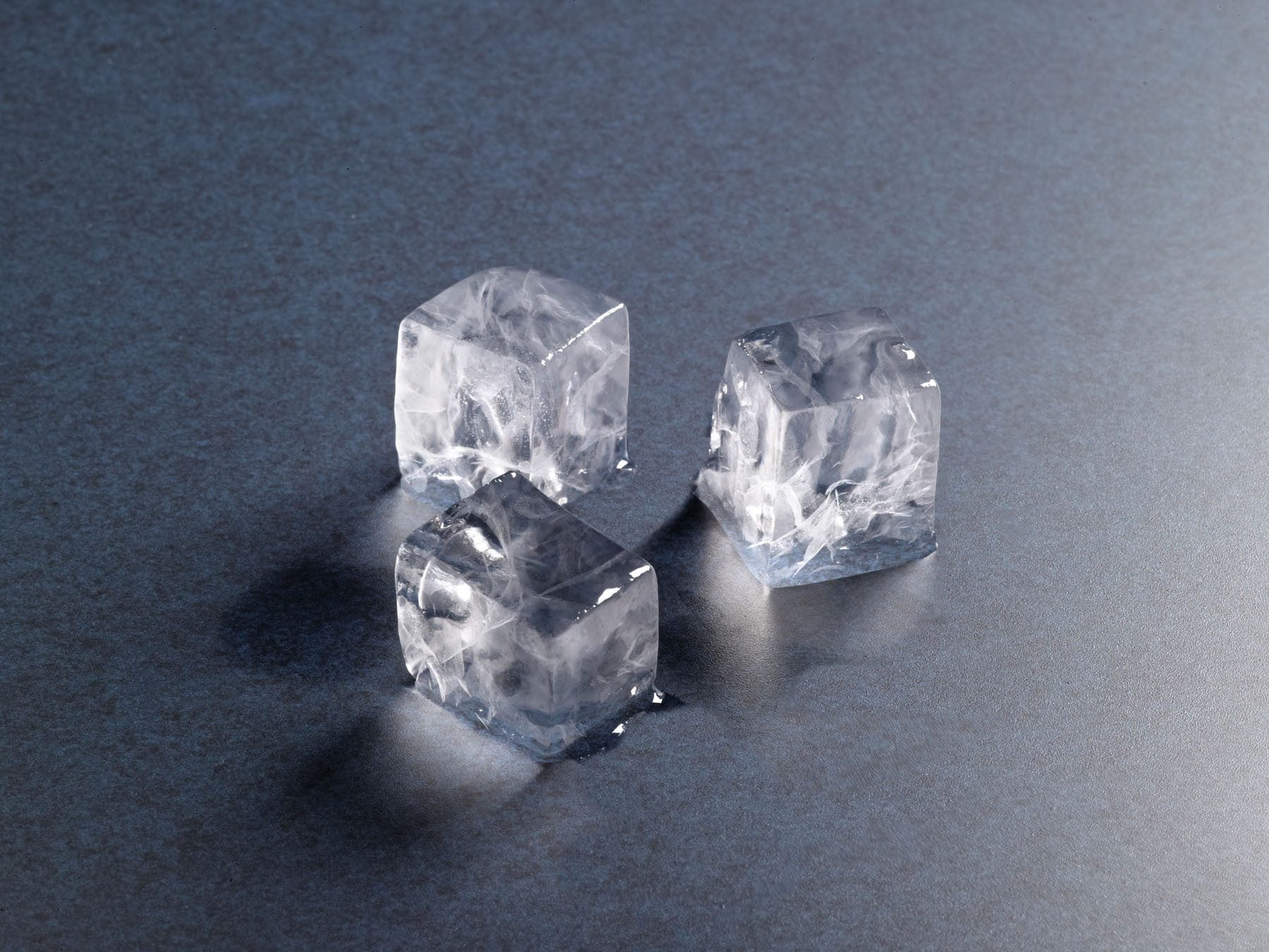
Check what kind of ice you need before picking a condenser. Some setups work better with certain cube types. Take the KM Edge series - its crescent cubes last longer, flow well through dispensers, great for diners or coffee spots. Meanwhile, square ones look sharp behind cocktail counters, giving drinks a classier feel.
Flake ice makers work great in hospitals or kitchens ’cause they chill fast while staying gentle on touch. These units might hook up to built-in coolers or separate ones, based on how your spot runs day-to-day.
Sizing Math
Step 1: Estimate real usage
Check typical usage in similar businesses to figure out how much ice you need each day
Full-service diner: around 1.5 to 2 pounds of ice per guest
Bar or club? Plan on 3 pounds of ice for every seat
Fast casual spots or cafés use about 0.8 to 1.5 pounds per drink sale
Healthcare or care for patients: around 5 to 10 pounds of ice per bed
Multiply each one by how much you think you'll need. If you want it closer to right, try using our tool that figures out sizes.
Next up: see how the condenser affects how well it runs
Self-contained units lose output when rooms get hot. Because they push heat outdoors, remote condensers keep performance more stable. When temps climb often, going remote helps avoid drops. Or just pick a bigger self-unit to make up the difference.
Step 3: Include peak buffer
Throw in an extra 20–30% output when lunch hits, since crowds mean more demand. When dinner rolls around, crank it up again - don’t get caught short. The same goes for big events; plan ahead so you’re ready. Run out just one time? That’s a sign your unit can’t keep up. Create some wiggle room - it keeps things running smoothly on busy days.
Install Notes
Self-contained installation basics
Standalone setups? Simpler to get going. These rely on stuff like - just a power source, maybe an app
A single power socket used just for one device
A chilly water feed
Good air movement near the machine
A floor drain - also a small pump
They chill and pack tight in one unit, so they work well for compact setups or spots low on cash for construction.
Remote condenser setup
Remote setups need careful prep plus expert setup steps. These use coolant pipes, go through roofs, or attach outside, demand correct pipe sizing along with smart air positioning - payoff? Quiet inside running and solid results when temps soar.
Ventilation and clearance
No matter the condenser kind, stick to Hoshizaki's space rules. If air can't flow well, output drops - might also wear out the unit faster. Check install guides at first - it’ll save hassle down the line instead of fixing things late.
Maintenance
Routine wipe-downs, mineral buildup removal, plus sanitation keep each commercial ice maker running right. Off-site setups might need extra attention to pipe covering, along with checking outside condensers for grime, whereas built-in models usually demand cleaner coils - especially in hectic cooking areas. To get complete help that won't void your coverage, head over to our support section.
Struggling to pick the best condenser system?
Get a fast quote and delivery date—start with our ice machines or message us via our contact page.
Remote Condenser vs Self-Contained: Hoshizaki Installation Choices Explained
Intro
Choosing between a remote condenser and a self-contained ice machine affects installation cost, heat, noise, and long-term reliability. Pick the wrong one, and you'll deal with overheating, loud operation, or expensive re-installs later. This guide breaks down both condenser types clearly so you can make the right call for your space.
Who It's For
This article is for operators, contractors, and new-business owners who want a clear, practical explanation of how condenser types affect everyday use. Whether you’re upgrading an older unit or building a location from scratch, this guide helps you understand requirements, avoid surprises, and plan your installation confidently. If you’re comparing models, consider the Hoshizaki KM Edge series or specialized options like flakers and cubelet machines.
Key Considerations — remote condenser vs self-contained: Hoshizaki installation choices explained
Noise and heat management
Self-contained machines keep everything inside the unit, making installation simple—but they also emit heat and noise directly into your kitchen or bar. Remote condenser systems move the condenser outside or onto a rooftop, removing heat and reducing interior noise. This is especially useful for small kitchens or enclosed bars where comfort and airflow matter.
Professional installation guide factors
A remote condenser setup requires refrigerant line routing, roof or exterior mounting, and proper airflow planning. This is more complex, but it delivers a quieter and cooler work environment. Self-contained units are plug-and-play, but they may require stronger ventilation to maintain production consistency.
Drain requirements and utilities
All commercial ice machine installations need correct drainage, but remote systems may change where drains must be placed. Self-contained units generally only need a floor drain or an optional pump. Remote-condensed machines sometimes require more complex routing depending on location and component placement. This is where reviewing your installation guide early makes a major difference.
Environmental suitability
If your room gets hot, a self-contained machine will struggle because its condenser dumps heat into the room. A remote system avoids this problem by placing the condenser outside, helping the machine maintain full production even during busy service hours. For small, air-conditioned spaces, this performance stability can be worth the higher installation cost.
Model/Ice-Type Fit
Before deciding on a condenser type, make sure your ice type matches your operation's needs. Different environments benefit from different ice styles. For example, crescent cubes from the KM Edge line are reliable for restaurants and cafés because they melt slowly and dispense cleanly. Square cubes from this category offer a premium presentation for cocktail bars.
Flake and cubelet machines are well-suited for healthcare and food-prep environments thanks to their soft texture and efficient cooling. Each of these model families can pair with self-contained or remote condenser versions, depending on the operational needs of your location.
Sizing Math
Step 1: Estimate real usage
Use industry averages to calculate your daily ice demand:
- Full-service restaurant: 1.5–2 lbs of ice per customer
- Bar or nightclub: 3 lbs of ice per seat
- Fast casual / cafés: 0.8–1.5 lbs per drink transaction
- Healthcare or patient service: 5–10 lbs of ice per bed
Multiply these by your estimated volume. For more accuracy, you can use our size calculator.
Step 2: Understand the condenser's impact on performance
Self-contained units may experience production losses as room temperatures rise. Remote condenser systems maintain closer to rated production because heat is pushed outside. If your space regularly hits high temperatures, choose a remote unit or size up your self-contained machine to compensate.
Step 3: Include peak buffer
Add 20–30% extra production for lunch rush, dinner service, or special events. If you run out of ice once, your machine is undersized. Building a buffer protects your business during high-volume periods.
Install Notes
Self-contained installation basics
Self-contained models are easier to set up. They need:
- A dedicated electrical outlet
- A cold-water supply
- Proper airflow around the unit
- A floor drain or pump
They cool and condense within the same cabinet, making them great for smaller operations or locations with limited build-out budgets.
Remote condenser setup
Remote systems require more planning and a professional installation guide. They rely on refrigerant line sets, roof penetrations or exterior mounting, proper line lengths, and proper airflow placement—the benefit: hushed indoor operation and stable performance, even during intense heat.
Ventilation and clearance
Regardless of condenser type, follow Hoshizaki’s spacing requirements. Restricted airflow will reduce production and can shorten equipment lifespan. A quick review of installation documents early saves time and prevents costly rework later.
Maintenance
Routine cleaning, descaling, and sanitizing are required for every commercial ice machine. Remote systems may require additional checks on line insulation and exterior condenser cleanliness, while self-contained units often need more frequent coil cleaning inside busy kitchens. For full support and warranty-safe service, visit our service page.
Need help choosing the right condenser setup? Contact us for the recommended Hoshizaki model for your exact space.
Featured Product
Recent Posts




Login and Registration Form