
Sign in
Best Hoshizaki Ice Machines for Fine Dining (Capacity, Footprint, Budget)
January 06, 2026
65
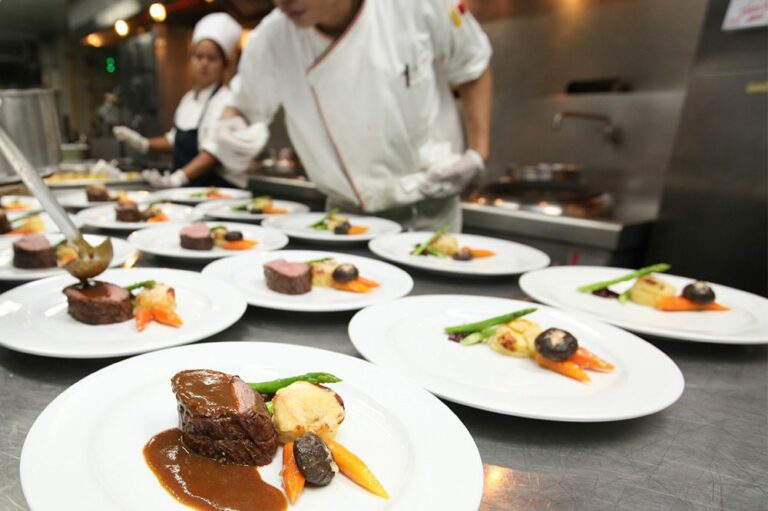
In high-end kitchens, ice doesn’t exist just to chill beverages—it manages heat, timing, and food safety. From stopping carryover cooking to cooling tools between uses, ice functions like any other piece of kitchen equipment. While guests rarely notice this side of operations, consistent results behind the scenes depend on dry, firm ice pellets that arrive exactly when needed. Understanding this reality changes how kitchens choose their ice machines.
During service, ice supports precision. Hot tongs are plunged into ice water to prevent contamination. Sauces and proteins are cooled rapidly to protect texture and flavor. These tasks demand ice that doesn’t clump or melt too fast. When operators look past drink service and focus on prep workflows, gear selection shifts toward machines that deliver steady output rather than flashy speed.
Demand Isn’t Just Volume
Prep-driven usage patterns
Ice demand varies based on how a kitchen works, not just how many guests it serves. A tasting-menu restaurant with limited seating may burn through ice all day, cooling pans, chilling sauces, or staging ingredients.
Ice as temporary cold storage
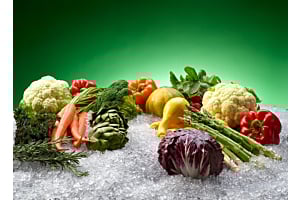
Some kitchens rely on ice as overflow refrigeration—nesting chopped vegetables, marinating meats, or protecting delicate greens during transport between floors.
Early-day production pressure
Because of these prep needs, the heaviest ice draw often happens hours before doors open. One Michelin-rated kitchen runs its Hoshizaki KM cube unit at dawn just to stock prep trays well ahead of drink service. This reality shifts focus from peak-hour output to dependable supply during long prep windows.
Good Is Actually Enough
Right-sizing the machine
Most kitchens don’t need the largest unit available. Mid-range machines often perform better long term, especially in spaces with inconsistent water quality or limited service access.
Consistency over speed
An undercounter Hoshizaki F-93BAF in a small omakase kitchen produces 82 pounds per day—quietly, reliably, and without excess features. Slow freezing delivers firm, consistent ice that bartenders and cooks trust.
Impact on taste and balance
Slower, denser ice melts more predictably. In tasting trials, cocktails made with these cubes stayed balanced longer than those using ice from faster machines. Sometimes, taking extra time produces better results.
Footprint Lies Beneath
Airflow requirements
Floor space alone doesn’t define a machine’s footprint. Fan-cooled units need clearance, often several inches on each side, which can strain tight back-bar or prep layouts.
Stacking and heat concerns
Stacking saves space but can expose condensers to grease and heat from nearby cooking equipment, accelerating buildup and maintenance needs.
Remote condenser advantages
Remote condensers—more common in medical-style units—push heat out of the kitchen entirely. This reduces ambient temperature, eases compressor strain, and often extends equipment life, especially in cramped kitchens.
Water Quality Changes Everything
Municipal water variation
Water treatment methods differ by city. Chloramine, now used in many regions, degrades rubber components faster than chlorine, shortening pump and seal life.
Balancing filtration and minerals
Reverse osmosis improves reliability but can strip essential minerals. When water is too pure, ice becomes cloudy and weak. Ideal conductivity ranges between 15–50 µS/cm.
Optimizing machine performance
Blending RO with bypass water helps hit optimal ranges. Hoshizaki’s self-cleaning flush cycles perform best within this window, reducing descaling frequency and downtime. Filtration doesn’t just protect components—it defines ice texture.
Pay Now or Pay Later
Upfront vs long-term costs
Countertop machines may start around $3,200, while undercounter models approach $7,000. Leasing can reduce upfront cost, but maintenance expenses often rise after year three.
Downtime is expensive
A failed condenser fan during peak service can cost more in lost sales than years of preventive maintenance. Ownership with extended coverage often lowers operational risk.
Used and medical-grade options
Refurbished medical-grade Hoshizaki units offer durability at a lower cost, but refrigerant matters. Older R404A systems are being phased out, while newer R290 units require technicians trained to service them.
Think Beyond the Machine
Staff behavior and maintenance
Machines that require minimal hands-on upkeep work best in kitchens with frequent staff turnover. Automated drains reduce manual steps, though they may require sloped floors.
Controls and usability
Simple controls prevent accidental shutdown of protective features during cleaning. Ease of use directly impacts consistency.
Noise and workflow
High-pitched mechanical noise disrupts focus during prep. Machines with lower, ambient hums fade into the background—exactly where they belong.
See your short list and request a quote — start with our ice machines or ask us on our contact page.
Featured Product
Recent Posts

Login and Registration Form