
Sign in
Best Hoshizaki Ice Machines for Nightclubs (Capacity, Footprint, Budget)
January 07, 2026
190
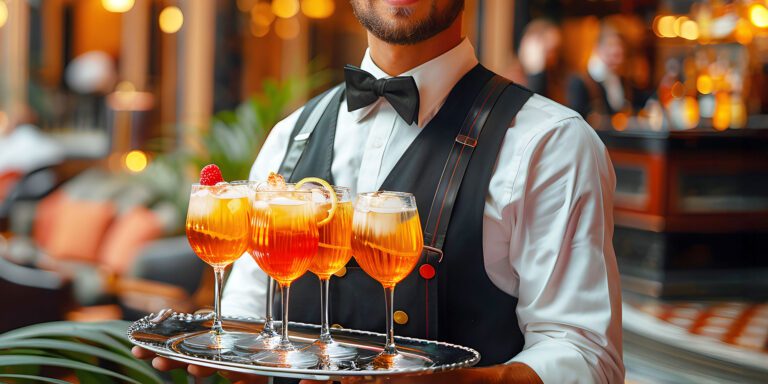
Picking a solid Hoshizaki ice maker for clubs matters - it keeps drinks chilled, speeds up service, so staff stay stocked from first pour to close. Clubs burn through way more ice each hour compared to regular bars since they serve faster, pack in bigger groups, while several bars run at once.
Hoshizaki units work well at bars since they make solid cubes nonstop, run reliably during busy nights, yet keep up when things get hectic. Here’s a straightforward look at picking the correct model, setting it up properly, or planning costs for club use.
Demand Profile
High-volume cocktail production
Nightclubs serve tons of drinks fast, sometimes dozens every hour. Because cups come in different sizes, figure on about 3 to 5 pounds of ice per person. The way the cubes look and feel matters - it keeps drinks tasting right when made quickly. So uniform pieces make a real difference behind busy bars.
Multiple bar stations
Many spots run multiple bars, so they need quick ice nearby. When everyone uses one machine, lines build up during busy times. Putting in individual units - or just private containers - keeps drinks flowing without delays.
Behind-the-scenes help plus meal prep assistance
Prep spots plus drink-serving zones need ice for coolers, topping trays, or quick cooling jobs. Tossing in a standalone compact ice maker eases pressure off main bar units while keeping things running smoothly till close.
Good / Better / Best
Good: Undercounter machines for secondary bars
Undercounter fridges work well in VIP zones, side bars, or spots with light use. These units slide neatly under countertops - giving fast ice reach without loud noises where guests hang out. Check out what’s on offer from the undercounter lineup.
Better: Modular heads with medium-capacity bins
Many clubs use ice machines that connect to big storage tanks - usually holding 250 to 500 pounds. That way, staff can prep ice ahead of time so there’s enough during busy hours. Check out different models available in the modular series.
Best: Multi-machine, high-output configurations
Big clubs with lots of people usually need several devices - one at each main bar, while extra ones handle bottle service or special events. Such arrangements offer:
• Steady results even when things get hectic
• Backup available when a device needs repair
• Faster drink service while boosting how guests feel about their visit
• Ice spreads well into each bin - keeping levels steady without waste
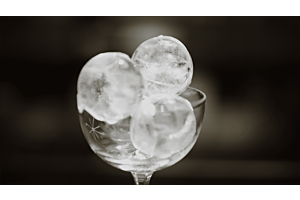
Some spots use special ice makers for top-shelf drinks needing bigger or cleaner cubes - especially when quality matters more than speed.
Space & Power
Layout plus footprint
Back-of-bar areas usually aren't big. Check the counter's height, space below it, hall width, and where you'll put the machine. A few clubs go for small units to save room; meanwhile, some set up special ice storage spots when they need lots made.
Electrical requirements
Mid- to large-size ice makers usually run on 208–230V electricity, needing their own circuit lines. Setting up wiring ahead of time helps avoid downtime or stalled setups. Check the details listed on our installation page.
Ventilation plus temperature handling
Nightclubs get hot fast - lights, people, gear all pile on the warmth. Without enough space around air-cooled units, they can't run at full power. When things really heat up, switching to water-cooled systems keeps performance stable. Remote condensers also handle extreme conditions better than standard setups.
Water / Filtration
Filtration keeps things steady while guarding results
Hard water causes more scaling, plus it makes ice look cloudy - a big problem if your club runs all night. Good filtering keeps parts safe while delivering clear ice nonstop. Check out what’s available in our filter range.
Pairing filters with drink menus
Premium drinks need clear ice - it melts slowly, stays steady. If filters don't work well, cubes turn soft or taste odd, which messes up cocktails at many spots.
Maintaining filtration capacity
Filters need swapping now, and then so water keeps moving smoothly. Keep up with changes for steady ice all day long.
Budget / Financing
Upfront purchase for long-term ROI
Buying a Hoshizaki ice maker straight up saves more money over time. Busy clubs bringing in steady cash usually go for owning it - gives them stable upkeep plus total say-so on how things run.
Financing or rent-to-own choices
New spots or growing club chains usually go for gear loans or rent-to-buy coolers to save cash up front. Check out the options on our financing page.
Planning monthly payments
Funding helps businesses match machine expenses to busy times. Because payments stay steady, it’s easier to handle money when sales dip - without losing speed or quality.
See your short list and request a quote — start with our ice machines or ask us on our contact page.
Best Hoshizaki Ice Machines for Nightclubs (Capacity, Footprint, Budget)
Intro
Choosing the right hoshizaki ice machine for nightclubs is critical for keeping service fast, drinks cold, and bar teams fully supplied all night long. Nightclubs use significantly more ice per hour than typical bars or restaurants because of high beverage volume, rapid drink turnover, and multiple service stations. With long operating hours and heavy demand, Hoshizaki machines stand out for durability, consistent output, and reliability—making them one of the best investments for nightlife venues that depend on steady, uninterrupted performance from their commercial ice equipment.
Demand Profile
High-volume cocktail production
Nightclubs pour hundreds or even thousands of drinks per night, often at peak bursts of demand. Depending on drink type and cup size, operators should plan for 3–5 lbs of ice per guest. Cocktails, mixed drinks, and premium pours all require consistent cube shape and density to maintain beverage quality in a fast-paced environment.
Multiple bar stations
Most nightclubs operate two to eight bar stations, each requiring its own reliable ice supply. Sharing a single machine introduces problems like bottlenecks and shortages, especially during peak hours. Installing separate machines, or at minimum separate bins, ensures each bar remains efficient.
Back-of-house and prep areas
Prep stations and bottle-service areas may also need ice for chillers, buckets, garnish stations, and rapid cooling. An additional undercounter unit can offload strain from primary bar machines and maintain overall service consistency throughout the night.
Good / Better / Best
Good: Undercounter machines for secondary stations
Undercounter ice machines fit beneath bar counters and are ideal for satellite bars, VIP service areas, and low-volume stations. They deliver quick access, quiet operation, and steady production for stations that don't require full-size equipment. See available models in the undercounter collection.
Better: Modular heads with medium bins
For most nightclubs, modular ice machine heads paired with 250–500 lb bins offer the best balance of production and storage. These systems allow bars to stockpile ice before opening and maintain stable supply during peak hours. You can explore options in the modular head collection.
Best: Multi-machine high-output configuration
Large or high-traffic nightclubs often require multiple machines—one for each main bar, plus backups for bottle-service or event areas. These setups ensure:
- Reliable output during heavy rush periods
- Redundancy if one machine needs service
- Faster bar service and improved guest experience
- Ability to distribute ice across several bins efficiently
For high-end cocktail programs, you can also add a specialty ice machine for larger, clearer cubes.
Space & Power
Footprint and installation layout
Nightclubs often operate in tight service areas, especially behind bars where every inch counts. Before selecting a machine, measure counter height, undercounter clearance, hallway width, and the exact footprint where the machine will be installed. Some operators choose compact units for space efficiency, while others build out dedicated ice rooms.
Electrical requirements
Most mid- to large-size machines require 208–230V, and they should be placed on dedicated circuits to avoid breaker trips during peak service. Planning electrical requirements early prevents delays and unexpected installation hurdles. You can review guidance at our installation page.
Ventilation and heat control
Nightclubs are hot environments due to lighting, crowd density, and bar equipment. Air-cooled ice machines release heat and need proper clearance to avoid production loss. If the venue struggles with heat buildup, consider water-cooled units or remote-condenser designs to keep ice output steady.
Water / Filtration
Filtration protects output and consistency
Hard water can reduce output, create cloudy ice, and cause scale buildup—especially in long-hour operations like nightclubs. A high-capacity filtration system protects evaporator plates and ensures clean, clear ice all night. Explore filter options in the water filter collection.
Matching filtration to cocktail program
Premium cocktails benefit from clean, clear ice that melts slowly. Poor filtration can introduce off-tastes or inconsistent cube hardness, affecting drink quality. Investing in the right system ensures consistency across all bar stations.
Capacity planning with filtration
Filters reduce impurities but require maintenance to avoid flow restrictions. Regular changes ensure maximum production—critical for a nightclub that needs predictable ice volume from open to close.
Budget / Financing
Upfront purchase for long-term ROI
Buying a Hoshizaki machine outright delivers the lowest lifetime ownership cost. Nightclubs with strong nightly revenue often prefer this for predictable maintenance and full machine control.
Financing and lease-to-own options
New venues or expanding nightclub groups often use equipment financing or lease to own ice machine programs to reduce upfront cost. This allows owners to choose high-output units from day one while keeping cash flow stable. Compare plans on our financing page.
Monthly payment planning
If you prefer predictable monthly payment options, financing can help align equipment costs with revenue. Most nightlife venues see steady weekend volume, so spreading payments across the year can ease capital pressure during slower seasons.
See your short list and request a quote — start with our ice machines or ask us on our contact page.
Featured Product
Recent Posts

Login and Registration Form