
Sign in
Best Hoshizaki Ice Machines for Restaurants (Capacity, Footprint, Budget)
December 25, 2025
304
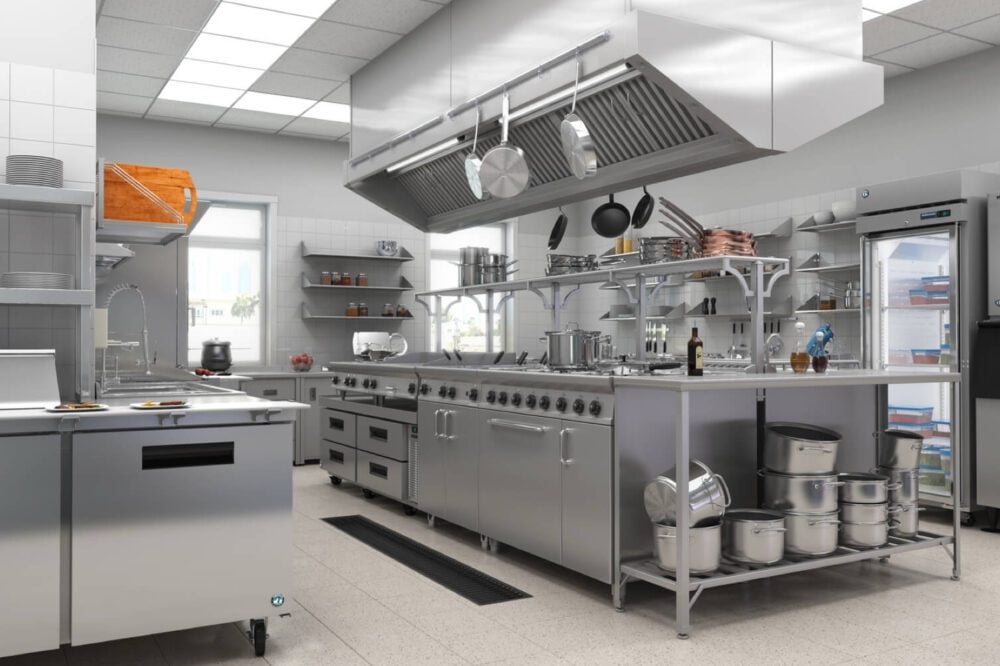
Picking the best Hoshizaki ice maker matters a lot when running a restaurant. Most eateries go through tons of ice every day - way more than other spots serving food. So the unit’s got to handle drinks, get the bar ready, feed the expo area, help out with cooking, fill ice bins, and also serve customers directly. When it runs without hiccups, things stay fast, lines don’t back up, plus cocktails taste just right each time. Folks trust Hoshizaki because machines last long and pump out clear ice. That's why so many owners pick them - they mix solid results, fair pricing, along with years of trouble-free use.
Demand Profile
Dining area drink quantity
Dine-in spots usually use between 1.5 and 2 pounds of ice per person. Busier midday places might go up to 2 or even 2.5 pounds because of drinks people take out or ask again for. Looking at what you serve alongside how many guests show up helps pick the right machine size.
Bar supply requirements
Bars need tougher cubes that melt slowly, plus they use ice more quickly than dining areas do. Running a drink-focused spot? Combine a primary unit with a compact under-counter model to keep up with demand when things get busy.
Back-of-house operations
At expos or prep areas, flaked ice keeps seafood fresh without risk. When a kitchen uses different kinds of ice, having individual units helps prevent one machine from getting overloaded.
Good / Better / Best
Good: Undercounter solutions for small restaurants
Small eateries get by just fine with slim machines tucked under counters, churning out 50 to 100 pounds of ice daily. The built-in types run quietly while making crescent-shaped cubes without fail. They’re a solid pick for light drink service or backup spots at bars.
Better: Modular heads with bin storage
Many eateries go for modular heads since they get more ice for the cost. Put a head on different bins based on how much you need. A lot of users link a 300–500 lb bin with a unit making 300–600 lbs daily. Check out modular ice machine heads to build a setup that scales as your business expands.
Best: Multi-station, mixed-ice, high-volume builds
Big eateries - with bars, say - usually run one main ice maker alongside another smaller unit for drinks or kitchen tasks. You might see a sizable KM Edge cube machine handling drinks while a flake maker cools display trays. Think about it:
Crescent-shaped ice for regular drink service
• Use square-shaped or big chunks when mixing drinks
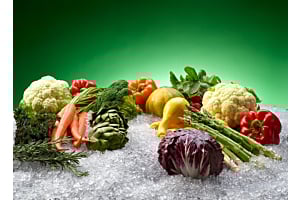
Flaked ice to keep veggies fresh or fish cool - works great either way
This method stops a single spot from using up all resources, so every area keeps running smoothly.
Space & Power
Understanding your footprint
Space limits usually shape your pick. For tiny eateries, undercounter models work best; on the flip side, bigger kitchens handle modular setups well. Check clearance needs, which way the air moves, and how high the ceilings are prior to deciding. Also, look at delivery routes - narrow doors or hallways might block certain units from even getting inside.
Electrical considerations
Different tools run on different power levels. Check your breaker box before purchasing - make sure it handles the demand. When updates are necessary, setting cash aside at first keeps things moving fast. For advice on setup, check out the step-by-step install tips.
Ventilation plus temperature control
Ice makers give off warmth. When packed into small kitchens - particularly near other gear - bad airflow might slash output while wearing out the unit faster. Air-cooled types require space around them; water-cooled ones ditch excess heat more easily yet jack up bills. Picking smart keeps things running when dinner rush hits hard.
Water / Filtration
Water quality affects everything
Restaurants need good water - it shapes how clear the ice looks, how it tastes, and how hard it feels. Bad supply leads to gunk inside machines, hazy cubes, and less production. Hoshizaki gear runs smoother when water’s cleaned first; pick filters based on what’s in your tap.
Picking a filter system
Hook up your unit with a big-name filter to cut down on minerals, shield the cooling parts, or give guests spotless ice every time. Check out compatible picks from the water filter lineup. Swapping filters often helps maintain steady ice flow at busy times in the diner lounge.
Frozen water’s flavor and form
Different kinds of ice change how they mix with drinks. Crescent-shaped pieces fit best with sodas and iced tea, whereas some bars pick dense cubes for cleaner looks and less melting. No matter the shape, filtered water keeps your high-end cocktails tasting just right.
Budget / Financing
Buying outright
Purchasing a Hoshizaki machine outright means you own it right away, face fewer surprises in ongoing expenses, and get steady servicing plans. Lots of eateries go this route since it usually saves more money during the gear's whole life span.
Funding to keep things moving without hiccups
Restaurants running close to break even usually lease gear so bills don’t pile up fast. That way, you can grab a bigger or better model without paying everything at once. Check different plans - look at how long they last and what’s due each month - on our ice machines or ask us on our contact page.
Best Hoshizaki Ice Machines for Restaurants (Capacity, Footprint, Budget)
Intro
Choosing the right Hoshizaki ice machine for restaurants can make or break daily operations. Restaurants use more ice than almost any other foodservice business, and your machine must support everything: beverages, bar prep, expo station needs, food prep, ice wells, and guest-facing service. A reliable machine keeps service smooth, prevents bottlenecks, and supports better drink consistency. Hoshizaki, known for durability and clean ice, remains one of the top choices for operators balancing value, performance, and long-term reliability in commercial ice equipment.
Demand Profile
Dining room beverage volume
Dine-in restaurants typically consume 1.5–2 lbs of ice per guest. Higher-turnover lunch concepts may need closer to 2–2.5 lbs due to to-go beverages and refills. Reviewing your beverage program and expected guest count is the first step in sizing the right unit.
Bar supply requirements
Bars require harder, slower-melting cubes and can consume ice faster than the dining room. If you run a full cocktail program or mixed-drink bar, pairing a main machine with a secondary undercounter unit ensures a stable front-of-house ice supply during rush periods.
Back-of-house operations
Expo, prep, and seafood stations often require flaked or cubelet ice for holding product safely. Restaurants that depend on multiple ice types should consider separate machines to avoid cross-demand strain.
Good / Better / Best
Good: Undercounter solutions for small restaurants
Smaller restaurants and cafés benefit from compact units that fit beneath counters and deliver 50–100 lbs of ice per day. Models in the undercounter collection offer quiet operation and reliable crescent ice production. These work well for low-volume beverage programs or secondary bar stations.
Better: Modular heads with bin storage
Most restaurants select modular heads because they deliver the highest value per pound of ice. You can mount a head on a variety of bins depending on demand, and many operators pair a 300–500 lb bin with a 300–600 lb/day machine. Explore the selection of modular ice machine heads to create a configuration that grows with your service needs.
Best: Multi-station, mixed-ice, high-volume builds
High-volume restaurants—especially those with bars—often pair a primary machine with a supplemental machine for cocktails or prep work. A typical setup may include a larger KM Edge crescent cuber for beverages plus a flaker for chilled displays. Consider:
- Crescent ice for standard guest beverages
- Square or large cubes for cocktails
- Flaked ice for produce or seafood
This approach prevents one station from draining the entire supply and maintains consistent service across the restaurant.
Space & Power
Understanding your footprint
Space limitations often determine your final choice. Undercounter units shine in small restaurants, while modular systems fit kitchens with more storage capacity. Review clearances, airflow direction, and ceiling height before selecting a machine. Operators should also inspect installation pathways—tight doorways and narrow corridors can affect what model realistically fits in the space.
Electrical considerations
Different machines require different amperage and voltage. Before buying, confirm that your electrical panel can support the load. If upgrades are needed, budgeting early avoids delays. If you need help planning, see installation guidance.
Ventilation and heat load
Ice machines generate heat. In compact kitchens, especially those with line equipment nearby, poor ventilation can reduce production and shorten machine life. Air-cooled units need clearance; water-cooled units reduce heat but increase utility costs. Choosing wisely prevents performance drops during busy dinner service.
Water / Filtration
Water quality affects everything
For restaurants, water quality determines ice clarity, taste, hardness, and machine longevity. Poor water can cause scale buildup, cloudy ice, and reduced output. Hoshizaki machines perform best with filtered water, and you should match filters to your local conditions.
Choosing a filtration setup
Pairing your machine with a high-capacity filter reduces minerals, protects evaporator plates, and ensures clean ice for guests. Explore matching options in the water filter collection. Regular filter changes also keep the restaurant bar ice solution consistent during peak hours.
Ice type and taste
Different ice shapes interact with beverages differently. Crescent ice works for most soft drinks and teas, while bars may prefer harder cubes for clarity and slower melt. Regardless of type, filtration ensures ice doesn’t affect the taste of premium cocktails or specialty drinks.
Budget / Financing
Buying outright
Purchasing a Hoshizaki machine upfront gives you full ownership, simpler long-term cost, and predictable maintenance schedules. Many restaurants choose this path for its lower total cost over the equipment’s lifetime.
Financing for smoother cash flow
Restaurants operating on tight margins often finance equipment to spread out payments. This allows you to select a larger or higher-end machine without upfront strain. Explore options at /pages/financing to compare term lengths and monthly payments.
Planning for long-term growth
Selecting a machine based solely on today’s volume can cause shortages later. A slightly larger machine gives growing restaurants more breathing room, reduces service calls, and avoids adding a second unit earlier than necessary.
See your short list and request a quote — start with our ice machines or ask us on our contact page.
Featured Product
Recent Posts

My Account
Sign in or create an account to check out faster and track your orders.