
Sign in
Best Hoshizaki Ice Machines for Bars (Capacity, Footprint, Budget)
December 26, 2025
145
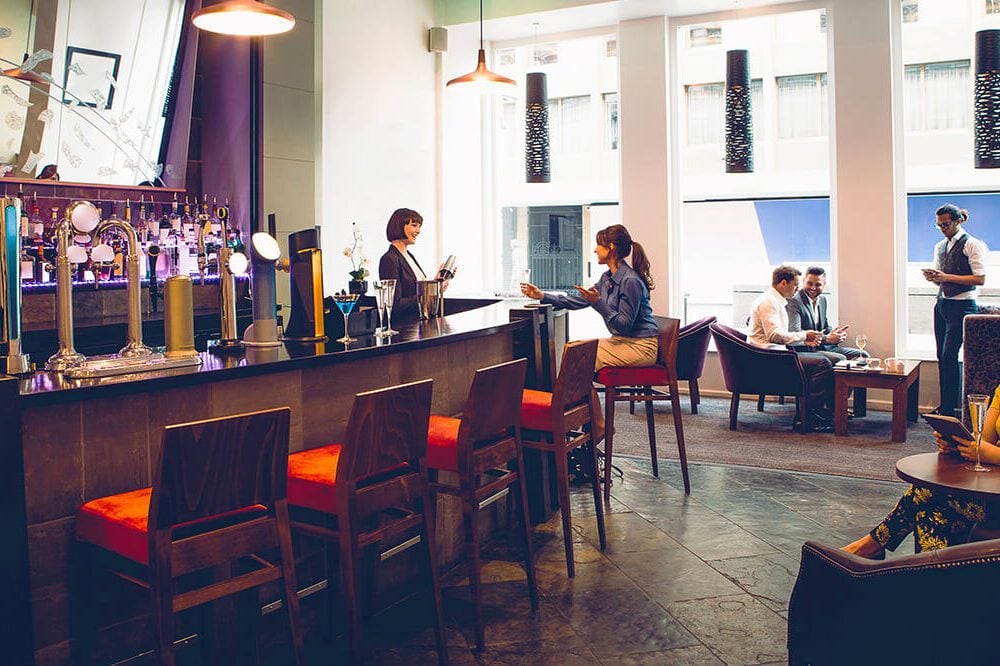
Picking a good Hoshizaki ice maker matters when running a bar - it keeps things quick and smooth. Since drinks like cocktails, mixers, cold beers, or serving bins rely on a steady ice supply, how much you make, what kind it is, and if it runs without issues affect earnings. Compared to regular diners, bars usually want tougher, crystal-clear cubes, machines that don’t hum loudly, plus models that slide neatly below counters or behind the rail area. A lot of pros still go with Hoshizaki since they last long, create fresh-looking ice, and feature smart layouts made for busy drink spots.
Demand Profile
Cocktail program needs
Bars pouring cocktails need ice that doesn’t melt fast - keeps flavors steady. Hoshizaki’s firm cube shapes last longer, so drinks taste better without getting watery. When it's packed on weekend nights, spots might use between 3 and 5 pounds per person.
High-turnover beverage service
Brew pubs, game-day hangouts, or late-night spots run ice makers nonstop. Some rely on ice for giant soda top-offs, fast cocktail builds, instead of just cooling shelves. Aligning rush times with output keeps drinks flowing without dry coolers.
Multiple stations
Most bars need ice in several spots - like the main sink area, side prep zone, drink mixing spot, or even outside on a deck. Since one cooler won’t cover everything, owners typically pair a big central system with a compact under-the-counter model. That way, they stay covered if demand spikes.
Good / Better / Best
Good: Undercounter units for small bars
For quieter spots like cozy bars or places focused on wine, built-in models make steady ice while saving tight barroom areas. The compact types run softly and slip neatly under counters during setup. They work well for modest drink setups where lots of ice isn’t needed.
Better: Modular heads with bins
Many bars use separate units that hook up to holding containers. These systems can make between 300 and 600 pounds of ice daily, while keeping extra on hand for busy times. Check out standalone ice makers if you're putting together a layout for drink counters, mix stations, or heavy-use dispensers.
Best: Multi-station, mixed-ice setups
Fancy cocktail spots, hotel lounges, custom drink setups, or clubs usually keep several units running to stay stocked. Top-level models tend to feature:
A key crescent-shaped ice maker for fast results with big output
A boxy gadget that mixes drinks while looking sharp
A spare fridge tucked below the counter - useful if things go south or you're serving drinks outside
Bars that use crushed or chewy ice might grab a cube maker - or even a flaker - for unique drinks. Mixing up ice kinds changes how things look - also helps specific cocktails hit right.
Space & Power
Below the bar, plus behind it, takes up space
Bars usually pack things more tightly than restaurant kitchens - space matters a lot when picking equipment. Instead of bulky setups, undercounter units slide right into bar designs without hassle. Modular versions need space for both the unit and waste container, which can complicate layout plans. Check the Size Calculator’s suggestions to pair the right machine with your bin setup.
Electrical requirements
Many Hoshizaki models for bars work fine on regular power, yet big ones might require their own circuit. Pick a unit only after looking at how much load your breaker box can handle - also make sure the plug matches what’s available. If unsure, just head to the setup guide online that lists exactly what wiring fits best.
Heat control, along with how air moves
Bars get cozy, particularly when they’re busy. Because of this, an ice maker runs better with enough open space around it for air movement. Since air-cooled models need breathing room, go for a water-cooled type if the shelf area’s super limited - this helps manage surrounding warmth. When airflow is weak, production drops while wear on the unit increases.
Water / Filtration
Better water means cleaner ice
Water quality changes how ice tastes, looks, and runs in machines, and also shapes what customers feel. A good filter stops gunk from forming, keeps cooling parts safe, and gives better-tasting cubes. In cocktail spots aiming high, clean water means no weird flavors messing up drinks.
Picking a filter setup
Pair your setup with the area’s water hardness plus how much you make each day. Check out what’s available in the filter range so your Hoshizaki stays safe and drinks taste the same. Swapping cartridges regularly helps keep output steady when things get hectic.
Frozen kind, plus how thick it feels
Every type of ice melts at its own pace. Crescent-shaped pieces last longer in mixed drinks, whereas square ones give craft cocktails a polished look. Places that serve slushy beverages might go for flaked or small cubed ice instead. A good filter keeps your chosen ice tasting fresh, no matter what.
Budget / Financing
Bought the machine straight away
Some folks buy their bar ice maker right away to save cash later on. Because Hoshizaki units hardly break down, they tend to last ages - ideal for busy pubs that plan ahead.
Funding to cover steady monthly expenses
Bars just starting out - or trying something fresh - usually lease gear to keep cash on hand. With easy payment plans and small monthly bills, you can grab a bigger model without paying big right away. Check it out over on our Financing tab.
Budgeting ahead to handle expansion
Bars using those big units for "just current" needs usually run short on ice after twelve months. Getting a somewhat bigger model - or tossing in a compact under-sink spare - cuts down on breakdown chances while helping sales stick around longer.
See your short list and request a quote — start with our ice machines or ask us on our contact page.
Best Hoshizaki Ice Machines for Bars (Capacity, Footprint, Budget)
Intro
Choosing the right hoshizaki ice machine for bars is essential for fast, consistent service. Bars depend on ice for cocktails, mixed drinks, beer chilling, and service wells—meaning output, ice type, and reliability directly impact revenue. Unlike restaurant dining rooms, bars need harder, clearer ice, quieter operation, and units that can fit under counters or backbar spaces. Hoshizaki remains the top pick for many operators because of its durability, clean ice production, and efficient commercial ice machine design built for high-demand beverage environments.
Demand Profile
Cocktail program needs
Bars serving cocktails require ice that melts slowly and keeps drinks balanced. Harder Hoshizaki crescent or square cubes stay intact longer, improving drink consistency and reducing product dilution. Busy cocktail bars often need 3–5 lbs of ice per guest, especially during high-volume weekends.
High-turnover beverage service
Beer-and-shot bars, sports bars, and nightclubs push ice machines to their limit. These concepts often use ice for large soft drink refills, high-speed mixed drinks, and chilled display wells. Matching peak-hour demand to machine capacity prevents service delays and empty wells.
Multiple stations
Most bars have two or more ice points—main bar well, service bar, cocktail station, and sometimes an outdoor or patio bar. A single machine usually can’t support all stations, so operators often combine a main modular unit with a smaller under counter bar unit for backup production.
Good / Better / Best
Good: Undercounter units for small bars
For lower-volume bars or wine bars, undercounter machines deliver reliable production without taking up valuable backbar space. Models in the undercounter collection provide quiet operation and are easy to install beneath counters. These units are ideal for small beverage programs that don’t require heavy ice output.
Better: Modular heads with bins
Most bars rely on modular heads paired with storage bins. This setup allows for 300–600 lbs/day of production and enough reserve storage to handle peak shifts. Explore modular ice machine heads to build a configuration suited for service bars, cocktail stations, or high-capacity wells.
Best: Multi-station, mixed-ice setups
High-end cocktail bars, hotel bars, craft beverage programs, and nightclubs often run multiple machines to guarantee supply. Typical “best-tier” builds include:
- A main crescent cuber for speed and volume
- A square-cube machine for presentation-forward cocktails
- A backup undercounter unit for emergencies or patio service
Bars using crushed or chewable ice may also add a cubelet or flaker unit for specialty drinks. Diversifying ice types boosts presentation and supports niche cocktail recipes.
Space & Power
Underbar and backbar footprint
Bars often have tighter spaces than restaurant kitchens, so footprint is a major deciding factor. Undercounter models fit seamlessly into bar layouts, while modular systems require room for both the head and the bin. Use the sizing guidance at /pages/size-calculator to determine the correct machine/binary match.
Electrical requirements
Most Hoshizaki bar-friendly units run on standard voltage, but larger machines may need dedicated circuits. Before selecting a model, check your panel capacity and confirm outlet type. When in doubt, consult the installation page for recommended electrical guidelines.
Heat management and airflow
Bars are warm environments, especially during peak hours. A commercial ice machine performs best with proper airflow and heat clearance. Air-cooled units must have room to breathe; if your backbar space is extremely tight, consider a water-cooled machine to reduce ambient heat. Poor ventilation slows output and can shorten machine lifespan.
Water / Filtration
Better water equals better ice
Water quality directly affects ice taste, clarity, machine health, and customer experience. Filtration helps prevent scale buildup, protects evaporator plates, and ensures clean-tasting ice. For bars offering premium cocktails, filtered water prevents off-flavors that could impact drink quality.
Choosing a filtration system
Match your system to local water hardness and expected daily production. Review options in the water filter collection to protect your Hoshizaki unit and maintain consistent beverage quality. Routine cartridge replacement also keeps production capacity stable across busy nights.
Ice type & drink consistency
Each ice shape affects dilution differently. Crescent cubes melt slowly for mixed drinks, while square cubes create a high-end presentation for craft cocktails. Bars focused on frozen drinks may choose flakers or cubelet machines for texture. Filtration ensures whichever ice you choose tastes clean.
Budget / Financing
Buying the machine outright
Many operators choose to purchase their bar ice machine upfront for simplicity and long-term savings. Hoshizaki machines are known for low failure rates and long lifespan, making them a strong investment for growing bars.
Financing for predictable monthly costs
Bars opening for the first time or expanding into new concepts often finance equipment to preserve cash flow. Flexible terms and low monthly payments let you step up to a larger machine without the heavy upfront cost. Learn more at /pages/financing.
Cost planning for future growth
Bars that size machines for “current only” demand often outgrow their ice supply within a year. Investing in a slightly larger system—or adding a small undercounter backup—reduces service risk and supports long-term revenue growth.
See your short list and request a quote — start with our ice machines or ask us on our contact page.
Featured Product
Recent Posts

Login and Registration Form