
Sign in
Cubelet (Chewable) Ice: When to Choose Hoshizaki F/E-Series Machines and Dispensers
December 16, 2025
105
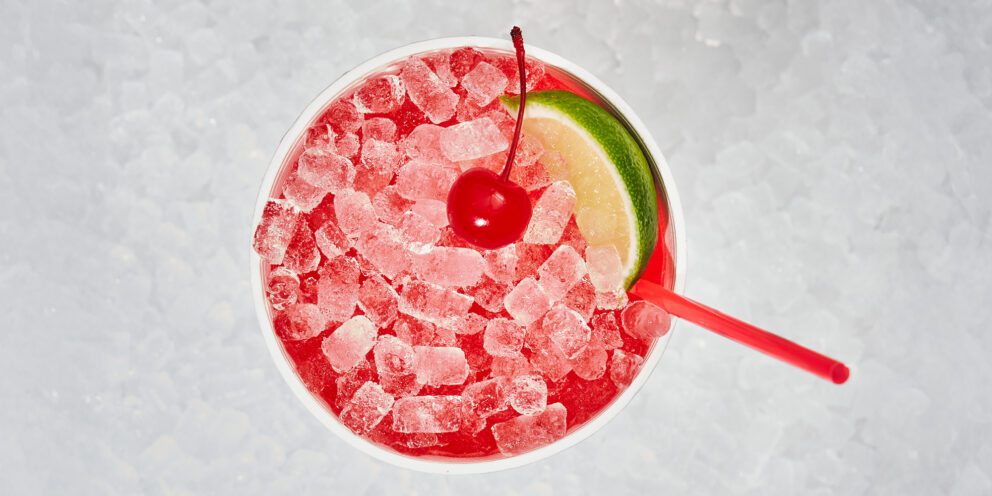
Quick answer: Choose Hoshizaki cubelet ice when customers want a small, chewable ice form and the exact cubelet machine or dispenser fits measured demand, storage, dispensing method, utilities, drainage, ventilation, sanitation, and service requirements. Verify the complete model number and manufacturer documents because production, condenser type, dimensions, electrical data, and dispenser features differ by model.
What cubelet ice is
Cubelet ice consists of small, compressed pieces of ice with a softer, chewable texture than a hard crescent cube. It creates a different drink experience and occupies the cup differently. Those characteristics make it popular in some beverage, self-service, hospitality, and institutional settings.
“Chewable” describes texture, not a medical or safety certification. Suitability for a healthcare, foodservice, or other regulated environment depends on the equipment, sanitation plan, dispensing method, applicable requirements, and facility policies. Do not assign a healthcare certification or safety claim unless an authoritative standard and the exact product documentation support it.
When cubelet ice is a strong candidate
Cubelet ice may fit an operation that prioritizes:
- A small, chewable ice texture.
- High ice-to-beverage contact and a distinctive cup presentation.
- Self-service or employee-operated dispensing from compatible equipment.
- A Hoshizaki production and storage configuration that matches measured demand.
- A cleaning and maintenance program designed for the exact machine.
It is not automatically the best choice for every beverage program. Hard-cube, flake, or specialty-cube equipment may better fit a different menu, presentation, handling method, or operating environment.
Cubelet machines and dispensers are not all the same
Hoshizaki offers equipment that can produce cubelet ice and configurations that can dispense ice, water, or both. A model name may identify a self-contained dispenser, an ice maker, a condenser configuration, or another specific arrangement. Read the current specification sheet and installation manual for the exact model.
Confirm whether storage is built in, whether a separate bin or dispenser is required, and whether the machine dispenses ice directly or supplies another piece of equipment. Verify the approved combination, adapter or top-kit requirements, and the exact ice form accepted by the dispenser.
Compare cubelet ice with other ice forms
Cubelet versus crescent ice
Cubelet ice is smaller and chewable. Hoshizaki crescent ice is a hard cube with a distinct crescent shape. Crescent ice may fit broad beverage service, while cubelet ice may be chosen specifically for texture and dispensing. Compare customer preference, cup fill, handling, production, storage, and equipment needs.
Cubelet versus flake ice
Flake ice is soft and moldable and is frequently considered for food displays, produce, seafood, therapeutic uses, or processes needing broad surface contact. Cubelet ice forms more defined pieces and is commonly selected for beverages. The exact application and sanitation requirements should control the decision.
Cubelet versus specialty cubes
Specialty cubes can emphasize appearance or a slower-changing drink presentation. Cubelet ice emphasizes texture and a different beverage experience. Neither choice is universally superior; evaluate the menu, customer expectation, volume, and equipment constraints.
Measure demand before selecting equipment
Record actual ice use during representative operating days. Capture the busiest 15-, 30-, and 60-minute periods, daily totals, seasonal changes, refills, employee use, food-preparation demand, emergency bagged-ice purchases, and transfers between stations. Note cup sizes and the portion of each cup normally filled with ice.
Compare that demand with production at the manufacturer’s stated air- and water-temperature test conditions. Do not use the largest lb/day figure as guaranteed site output. Ambient temperature, incoming-water temperature, ventilation, water quality, condenser condition, mineral scale, maintenance, and installation can affect performance.
Use our guide to factors affecting commercial ice production when translating published ratings into a site plan.
Account for storage and peak periods
Daily production and usable storage solve different problems. Production replenishes ice over time; storage carries reserve through a concentrated rush. A machine can make enough ice over a full day but still empty during a peak period. A large storage compartment cannot correct insufficient full-day production.
For a dispenser, confirm internal storage, dispensing rate or operating limitations when published, refill behavior, sensor and control features, and how employees will monitor ice availability. For a modular arrangement, verify the exact bin or dispenser compatibility and any required adapter.
Choose the right dispensing method
Consider who receives the ice and how. Employee-operated scooping, touchless or lever dispensing, push-button controls, cup activation, and ice-and-water combinations create different workflows. Review the actual product controls rather than assuming every dispenser has the same features.
Evaluate cup clearance, accepted cup sizes, dispensing opening, splash and drip management, drain-pan cleaning, accessibility requirements, and the risk of cross-traffic. A dispenser can reduce repeated scooping, but it still requires documented cleaning, sanitation, inspection, and service.
Our guide to bins and dispensers compares storage access with direct dispensing.
Installation requirements to verify
- Exact voltage, frequency, phase, circuit protection, and plug or hardwire configuration.
- Potable-water connection, pressure, temperature, flow, and treatment needs.
- Condenser-water requirements where the exact model is water-cooled.
- Machine, storage, and dispenser drains, including gravity routing and air gaps.
- Dimensions, cup clearance, doors, panels, ventilation, and service access.
- Heat rejection and the installation area’s ability to manage it.
- Floor, counter, or stand support for equipment, water, and stored ice.
- Delivery path, shipping dimensions, and weight.
Review the exact specification sheet and installation manual with qualified trades. Use the Hoshizaki installation checklist before delivery.
Condenser type matters
An air-cooled machine rejects heat into the surrounding area and needs its stated airflow and clearances. A water-cooled model requires condenser water in addition to potable ice-making water and may add water and sewer expense. A remote-cooled configuration requires compatible remote equipment and model-specific line, distance, elevation, electrical, and installation details.
Do not copy specifications between condenser versions. Verify that the product title, page content, proposal, data plate, and installation documents all identify the same configuration.
Water quality, cleaning, and sanitation
Ice is food, and cubelet equipment contains food-contact and water-contact components that require cleaning and sanitizing. Follow the exact model’s instructions, applicable health requirements, and site-specific conditions. Water chemistry, sediment, airborne grease, dust, yeast, usage, and the installation environment can change inspection and cleaning needs.
Select water treatment from testing, required flow, equipment capacity, and manufacturer guidance. Standard filtration does not automatically remove hardness or eliminate scale. Record filter changes, cleaning, sanitation, service findings, and performance observations.
A consistent log can reveal changes in ice texture, production, dispensing, noise, drainage, or water flow before they become a larger outage.
Questions to answer before choosing cubelet ice
- Do customers and the menu benefit from a chewable ice texture?
- What are measured peak and daily ice requirements?
- Will employees scoop ice, or will customers or employees use a dispenser?
- What usable storage is needed between production and peak demand?
- Which exact Hoshizaki model and condenser configuration fit the site?
- Can the location provide the specified electrical, water, drain, clearance, and ventilation requirements?
- Does the dispenser fit the expected cups and service workflow?
- Who is responsible for cleaning, sanitation, filter service, inspection, and repairs?
Common selection mistakes
- Choosing cubelet ice because it is popular without testing customer and menu fit.
- Using an unsupported “medical grade” or health claim.
- Confusing production with built-in storage.
- Assuming every cubelet machine is also a dispenser.
- Ignoring cup clearance, drip management, and drain requirements.
- Comparing production figures at different test conditions.
- Copying specifications from a similar model or condenser version.
- Underestimating cleaning and service access.
Frequently asked questions
Is cubelet ice the same as nugget ice?
Terms vary across manufacturers and sellers. Use Hoshizaki’s stated ice type for the exact model. When comparing brands, evaluate the physical ice form and equipment rather than assuming marketing terms are interchangeable.
Is cubelet ice soft?
It is generally selected for a softer, chewable texture compared with a hard cube. Actual customer perception depends on the ice and how it is stored and served.
Does every cubelet machine dispense ice?
No. Confirm whether the exact model is an ice maker, a self-contained dispenser, or part of another approved system.
Can cubelet ice be used in healthcare?
Some facilities choose it for texture and dispensing, but suitability depends on facility policies, infection-control procedures, sanitation, applicable requirements, and the exact equipment. Do not infer a medical certification from the ice shape.
Bottom line
Choose Hoshizaki cubelet ice when its chewable texture fits the customer experience and the complete equipment system fits measured demand, storage, dispensing, utilities, space, sanitation, and service needs. Verify the exact model and all installation details. That prevents a popular ice preference from becoming an operational mismatch.
Is cubelet ice right for your operation? Browse our Hoshizaki ice machines and contact our team to compare the exact F- or E-series machine or dispenser, accessories, and installation requirements for your site.
Featured Product
Recent Posts



My Account
Sign in or create an account to check out faster and track your orders.