
Sign in
Flaked Ice: When to Choose Hoshizaki F-Series Flakers
December 17, 2025
113
Quick answer: Choose a Hoshizaki F-series flaker when an operation needs soft, moldable flake ice for an approved food-display, food-preparation, produce, seafood, therapeutic, or process application and the exact model fits measured demand, storage, condenser, electrical, water, drain, ventilation, sanitation, and service requirements. Verify the model-specific documents before selecting equipment.
What flake ice is
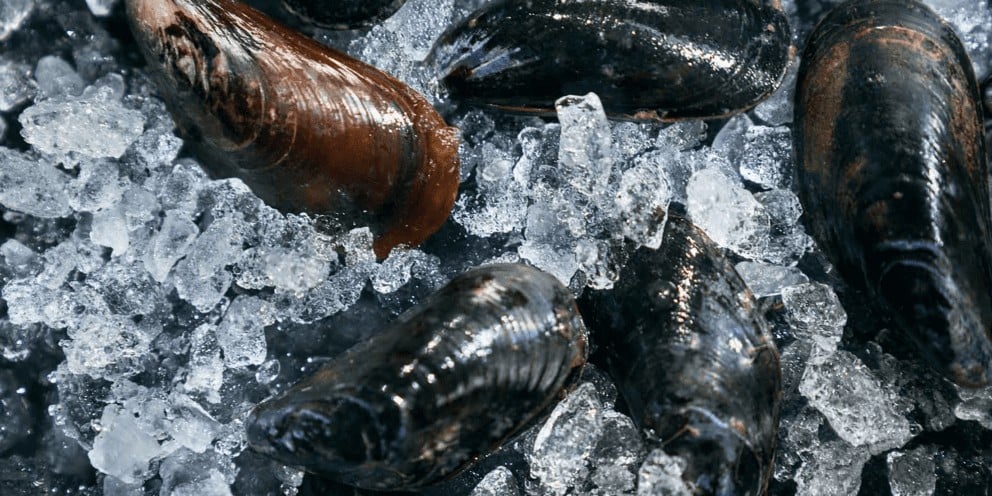
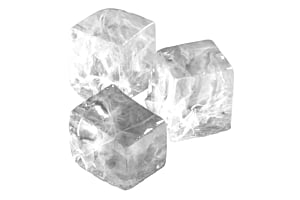
Flake ice consists of small, irregular pieces that pack and mold around products or containers. Its shape and surface contact distinguish it from hard crescent cubes and chewable cubelet ice. Those physical characteristics can make flake ice useful for displays and processes where conforming coverage is important.
The ice itself does not establish food safety, infection control, or regulatory compliance. Temperature control depends on the complete operating procedure, product, time, equipment, monitoring, sanitation, and applicable requirements. A facility should validate its use rather than relying on a general statement that flake ice “keeps food safe.”
Applications that may favor flake ice
Seafood, meat, and produce displays
Flake ice can be formed around display products and refreshed as needed. The display must still follow applicable food-safety rules for temperature, drainage, cross-contamination prevention, and product protection. Measure how much ice is placed initially and how much is replaced through the day.
Food preparation and processing
Some kitchens and production operations use flake ice in mixing, cooling, staging, or ingredient-handling procedures. Confirm that the ice form, water quality, equipment materials, and sanitation program are appropriate for the recipe or process.
Healthcare and therapeutic uses
Facilities may consider flake ice for specific approved care or service procedures because it is soft and moldable. Suitability depends on clinical policy, infection-control requirements, dispensing and handling, patient restrictions, and the exact application. Do not infer a healthcare certification or universal patient-safety claim from the ice type.
Beverage and hospitality support
Flake ice may be used for presentation, chilling containers, or selected beverages, but customers wanting a hard cube or chewable texture may prefer another ice form. Compare the desired experience before choosing equipment.
Compare flake, cubelet, and crescent ice
Flake ice is soft and moldable. Cubelet ice forms small, chewable pieces commonly selected for beverages and dispensing. Crescent ice is a hard cube used broadly in beverage service. Each form changes handling, storage, presentation, melt behavior, and equipment requirements.
Choose from the application and workflow rather than a broad claim that one ice form is more efficient or sanitary. Review our guides to Hoshizaki crescent ice and Hoshizaki cubelet ice for direct comparisons.
Measure demand from the actual application
Generic pounds-per-bed, pounds-per-meal, or pounds-per-display rules can be misleading. Measure representative use instead. Record the initial fill, replenishment, discarded ice, transfers, seasonal changes, peak intervals, operating hours, and planned growth. Separate display or process ice from beverage ice.
Compare measured demand with the exact model’s production at stated air- and water-temperature test conditions. Do not use the highest published lb/day figure as guaranteed output. Ambient temperature, incoming-water temperature, ventilation, water quality, condenser condition, mineral scale, maintenance, and installation can affect real production.
See what affects commercial ice output before choosing capacity.
Production and storage must be matched
A modular flaker normally requires compatible storage or dispensing equipment. Production replenishes ice over time; storage holds reserve for the next use period. Measure peak withdrawals and the time available for recovery. A large bin cannot correct insufficient full-day production, and adequate daily production may not cover a short rush without enough usable storage.
Confirm the exact ice maker and bin or dispenser combination, adapter requirements, application capacity, dimensions, door access, sanitation features, and service clearances. Flake ice can compact in storage, so follow the manufacturer’s handling and bin guidance.
Understand the ice-making mechanism
Flakers use a different ice-making and extraction process from hard-cube machines. That difference affects inspection, cleaning, service, and performance symptoms. Do not transfer maintenance intervals, troubleshooting conclusions, or component descriptions from a KM crescent cuber to an F-series flaker.
Use the exact operation, installation, and service literature. Changes in ice texture, moisture, production, noise, water flow, or drainage should be documented and evaluated rather than corrected with an improvised adjustment.
Choose the condenser configuration for the site
Air-cooled equipment rejects heat into the room and requires stated clearances and airflow. Water-cooled equipment uses condenser water in addition to potable ice-making water and may add plumbing, water, and sewer costs. Remote-cooled equipment requires compatible remote components and model-specific line, distance, elevation, electrical, and installation details.
Verify the complete model number. Never copy production, utilities, dimensions, or installation wording between air-, water-, and remote-cooled versions.
Installation requirements to verify
- Exact voltage, frequency, phase, circuit protection, and connection method.
- Potable-water pressure, temperature, flow, connection, and treatment needs.
- Condenser-water requirements where applicable.
- Machine and bin drains, gravity routing, air gaps, and floor-drain location.
- Dimensions, clearances, ventilation, door swing, and service access.
- Heat rejection and the effect on the installation area.
- Floor or stand support for equipment and stored ice.
- Delivery-path dimensions, shipping weight, and handling plan.
Review the exact specification sheet and installation manual with qualified trades. Use the Hoshizaki installation checklist before delivery.
Water treatment, cleaning, and sanitation
Ice is food. Follow the exact model’s cleaning and sanitizing instructions, applicable requirements, and site conditions. Water chemistry, sediment, airborne grease, dust, yeast, product exposure, usage, and the environment can change inspection and cleaning needs.
Select water treatment from testing, required flow, equipment capacity, and manufacturer guidance. A standard filter does not automatically remove hardness or eliminate scale. Keep records of water testing, filter changes, cleaning, sanitation, service findings, and observed ice quality.
Avoid inventing one monthly or quarterly cleaning interval for every flaker. Use the manufacturer’s minimum instructions and increase inspection or service when the site conditions and findings require it.
Workflow and food-handling questions
- How will ice move from the machine to the point of use?
- Which tools and containers are approved for handling it?
- How will meltwater drain without contacting displayed product improperly?
- Who checks product temperature, ice condition, and sanitation?
- How often is a display replenished, removed, and cleaned?
- Can employees reach the bin without cross-traffic or contamination risk?
- What is the backup plan during cleaning, service, or an outage?
Common selection mistakes
- Using generic pounds-per-patient or pounds-per-meal estimates.
- Claiming flake ice alone provides food safety or infection control.
- Choosing from daily production without measuring peak withdrawals.
- Confusing production with storage.
- Pairing a flaker with an unverified bin or dispenser.
- Ignoring drainage, meltwater, sanitation, and service access.
- Copying specifications or maintenance advice from another model family.
Frequently asked questions
Is flake ice intended only for food displays?
No. It may fit several approved display, preparation, process, therapeutic, or hospitality applications. The exact use and facility requirements should control the decision.
Is flake ice the same as cubelet ice?
No. Flake ice is soft and moldable; cubelet ice forms more defined chewable pieces. They are produced by different equipment configurations and support different experiences.
How much flake ice does a facility need?
Measure the actual application’s initial fill, replenishment, waste, peak use, and recovery time. Then compare those observations with model-specific production and storage information.
Can any storage bin be used with an F-series flaker?
No. Verify manufacturer-approved compatibility, capacity, adapters, overall dimensions, access, and sanitation features for the exact models.
Bottom line
Choose a Hoshizaki F-series flaker when the moldable ice form fits an approved application and the complete system fits measured demand, storage, utilities, drainage, sanitation, space, and service needs. Model-specific documentation and real operating measurements should replace generic usage rules and unsupported safety claims.
Is flaked ice right for your application? Browse our Hoshizaki ice machines and contact our team to compare the exact F-series flaker, bin or dispenser, accessories, and installation requirements for your site.
Featured Product
Recent Posts



My Account
Sign in or create an account to check out faster and track your orders.