
Sign in
Noise, Heat, and Guest Comfort: The ROI Case for Remote Hoshizaki
February 24, 2026
60
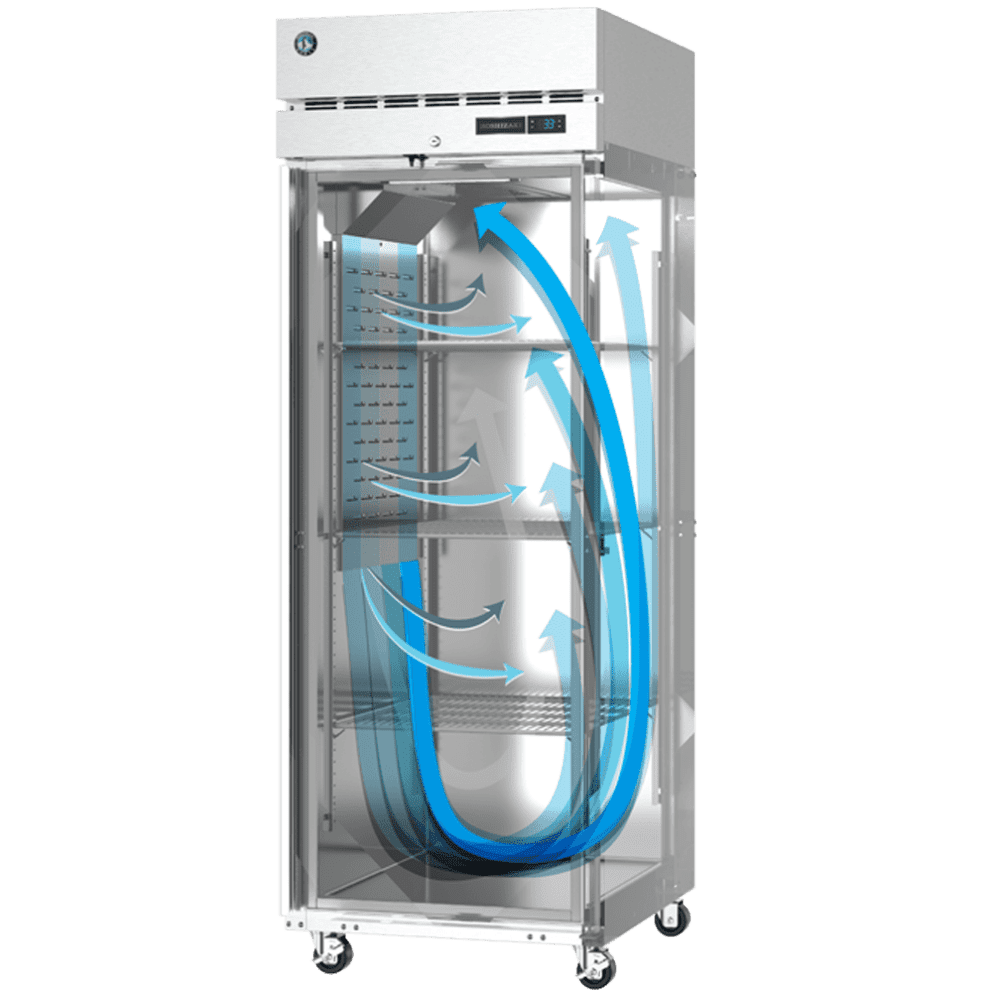
Thinking about noise, warmth, and how guests feel inside a space? That’s where off-site Hoshizaki units start making sense. Sure, the initial price tag climbs higher compared to standard models - but pulling the noisy, hot components outside shifts the whole dynamic. Heat stays out of dining rooms. Humidity dips lower. People relax more easily without that constant mechanical hum buzzing in the background. These machines aren’t built into the walls or tucked under counters - they live apart, doing their job remotely. Which means kitchens stay cooler during rush hours, staff don’t fight rising temperatures, and patrons barely notice the system exists. It fades into silence. Ice still appears, clean and steady, while stress around maintenance drops. Fewer breakdowns. Less fuss. For places serving food, lodging travelers, or handling big crowds, every detail counts - not just output volume. How smoothly things run often weighs more heavily than raw numbers on paper. Comfort isn’t measured by pounds per day; it shows up in longer stays, quieter spaces, and smoother service. Efficiency here doesn’t shout - it whispers through fewer repairs, calmer environments, slower wear. Over time, what seemed like an extra expense starts looking more like a balance restored.
This guide walks through lasting costs, picks between models, while weaving in everyday situations - shining light on what remote setups really deliver over time. Compare output demands using the sizing tools we offer, then move into machine lists to spot fits that reveal genuine returns. Each step unfolds without fluff, just clear lines from need to number.
The Numbers Reduced indoor heat load
Old-style units dump warmth right into the space, nudging up cooling demands while making rooms stuffy for people passing through. Hoshizaki’s outdoor setup pulls the hot coil outside, so interior air stays calm without extra strain. With time, that lighter burden on climate control adds up - bills dip, savings grow, effort fades.
Noise reduction and guest experience
The compressor tends to be the noisiest part of an ice maker setup. Moving it outdoors means sound stays out of guest zones - hallways, lounges, back rooms, reception areas. Hushed spaces feel calmer, easier on the nerves; fewer people gripe about background hum. That peace matters when comfort drives satisfaction.
Extended durability along with reduced malfunctions
Remote setups run chillier, steadier - this eases stress on moving parts over time. Cooler insides reduce heat pressure inside key elements, which quietly adds up in lifespan gains. Our range of water filters helps machines breathe easier, blocking mineral deposits before they take hold.
Fewer demands on power. Less upkeep over time
Besides running more smoothly in outdoor settings, the unit slashes power use. With cooler operating temps, distant setups tend to last longer - fewer breakdowns each year cut repair bills. When companies lease gear under adaptable pay plans, those saved amounts balance out recurring charges.
Options: Remote-ready ice machine models
Hoshizaki builds durable ice makers - cube, nugget, flake - that run strong under pressure. When heat rises, these units keep pace without missing a beat. Check every model side by side in the complete lineup online.
Choosing the right storage setup
A distant ice machine demands solid insulation in its holding space. Pairing it wisely guards the chill’s purity while smoothing how often it runs. Explore fitting choices across our range of bins.
Dispensing solutions for hotels and self-serve areas
In spaces where guests gather, using distant ice units alongside serving bins cuts down on contact, germs, and maybe even clatter. Check out matching free-access and hospitality-style bins in our full line of dispensing options.
A remote setup needs careful attention to pipe paths, where the condenser goes, plus how air moves around it. Check our installation notes - this keeps things running smoothly while keeping warranty protection intact. Sort out the layout ahead of time; that way, surprises stay off the table down the road.
A higher initial cost comes with going remote, yet steady installments via adaptable leasing options smooth out planning. Some teams opt for payment structures tied to how much value gear brings over time instead of focusing on sticker tags. Info lives within the company's financial guidance area.
Scenarios, Hotels, and guest areas
Hallway ice makers need to run without drawing attention through sound. One built-in model might hum loudly, its compressor kicking on and off through the night. With remote Hoshizaki systems, the loud parts live outdoors - separated from hallways. That shift quiets the space, lets people move through calmly instead of reacting to mechanical rhythm.
Bars thrive on vibe. A standalone unit hums loudly - unsettling patrons, distracting employees. That same box radiates warmth, nudging up the room temperature, making air conditioning push beyond its rhythm. Moving such gear outside shifts the disruption away, leaving interiors quieter, cooler. Staff move more easily through their shifts when sound and heat don’t cling to every surface.
Hot kitchens already pump out plenty of warmth. Tossing in a standalone ice maker cranks up the temperature even more. Shifting to remote units keeps things cooler, eases the strain on workers, plus ensures steady ice flow when orders pile up - crucial where airflow barely moves.
Few workers are around when things get loud
Medical clinics, work lounges, and office complexes gain calm through hushed operations. Away from main grids, Hoshizaki units run smoothly - sound kept low where people gather and move. Quiet isn't added, it's built in.
Focus on lasting worth rather than immediate discounts
A remote Hoshizaki system lasts longer, cuts down on cooling expenses, runs quieter, while keeping guests comfortable without fluctuations. As you weigh returns, look at annual power consumption, how it affects staff workload, the load it places on climate control - add in the initial cost too.
Measure output through scaling guides so it fits what people actually need
Oversizing burns cash; meanwhile, going too small risks system strain. Online tools guide companies through guessing their regular and high-demand ice output, so the distant machine actually fits how things run.
Combine using correct filtering alongside careful storage
Clean ice machines tend to stick around longer when cared for properly. Our curated range of water filters keeps gunk from forming inside - shielding delicate parts over time. Pair it with a compatible bin, and efficiency climbs while power drain slips away.
Run the numbers with us — explore models at the ice machine collection and ask for a quote.
Noise, Heat, and Guest Comfort: The ROI Case for Remote Hoshizaki
Intro
When businesses evaluate noise, heat, and guest comfort: the ROI case for remote Hoshizaki, they quickly discover that the benefits go far beyond convenience. A remote-style commercial ice machine may cost more upfront, but it removes the compressor and heat from the indoor environment, directly improving comfort, performance, and long-term return on investment. For any ice machine for business setup—especially hotels, restaurants, and high-traffic venues—guest experience and operational efficiency matter just as much as production capacity.
This guide breaks down long-term savings, model choices, and real-world scenarios to help you calculate the true lifetime value of going remote. You can compare production needs using our sizing resources and explore compatible options through our machine listings to estimate actual ROI.
The Numbers
Reduced indoor heat load
Traditional self-contained machines release heat into the room, increasing HVAC costs and creating uncomfortable working or guest environments. Remote Hoshizaki systems move the condenser outdoors, significantly lowering indoor temperatures. Over a year, the reduced AC load contributes directly to return on investment through lower energy bills.
Noise reduction and guest experience
The compressor is the loudest component of any ice maker. By relocating it outside, remote units drastically reduce noise in guest areas, hotel hallways, bars, and lobbies. This creates a quieter, more pleasant atmosphere and reduces noise-related complaints—critical for hospitality operations.
Longer service life and fewer breakdowns
Remote systems operate under cooler, more stable conditions, extending mechanical longevity. Lower internal temperatures mean less thermal strain on major components, improving service life economics across the board. Proper filtration from our water filter selection also supports machine health by preventing scale buildup.
Lower energy and maintenance costs
Because the compressor works more efficiently outside, energy consumption drops. Remote configurations also experience fewer heat-related failures, reducing annual service expenses. Businesses using long-term financing through our flexible payment programs can calculate these savings against monthly equipment costs.
Options
Remote-ready ice machine models
Hoshizaki manufactures a full line of remote-ready cube, nugget, and flake machines designed for peak performance and high-demand environments. These models maintain consistent output even in hot climates. You can compare all available models through our full machine collection.
Choosing the right storage setup
A remote ice maker still needs a well-insulated storage bin. The right pairing helps protect ice quality and keeps production cycles efficient. Browse ideal options through our storage bin lineup.
Dispensing solutions for hotels and self-serve areas
In guest-facing environments, remote ice makers paired with dispensers reduce touching, contamination, and noise. You can explore compatible self-serve and hotel-grade dispensers through our dispenser collection.
Installation considerations
A remote system requires proper line routing, condenser placement, and airflow. Reviewing our installation guidance helps ensure the setup is completed correctly and remains covered under warranty. Planning installation early avoids costly adjustments later.
Financing options for long-term ROI
A remote setup costs more upfront, but predictable monthly payments through flexible equipment plans make it easier to budget. Many operators choose financing based on lifetime value rather than purchase price. Details are available through our business financing resources.
Scenarios
Scenario 1: Hotels and guest areas
Hallway ice machines must stay quiet to avoid disturbing guests. A self-contained machine can produce significant humming and compressor noise. Remote Hoshizaki units eliminate these issues by placing the noisiest components outside, dramatically improving guest comfort.
Scenario 2: Bars and restaurants
Bars depend on ambiance. Noise from a self-contained machine disrupts guests and staff. Heat from the machine also warms the bar area, forcing AC systems to work harder. Remote systems keep both noise and heat outdoors, improving working conditions and reducing cooling costs.
Scenario 3: High-demand kitchens
Busy kitchens generate heat on their own. Adding a self-contained ice machine only makes the space hotter. Remote systems help stabilize the environment, reduce staff fatigue, and maintain consistent ice production during peak hours, especially in tight spaces where ventilation is limited.
Scenario 4: Facilities with low staff tolerance for noise
Healthcare centers, office break rooms, and corporate campuses benefit from quieter setups. Remote Hoshizaki configurations deliver steady output without introducing extra sound into shared spaces.
Recommendation
Prioritize long-term value over upfront savings
A remote Hoshizaki setup is an investment that pays off in service life, reduced HVAC costs, fewer noise issues, and consistent guest comfort. When evaluating ROI, consider yearly energy use, labor impact, and HVAC strain alongside the purchase price.
Use sizing tools to match production to real demand
Oversizing wastes money; undersizing causes performance issues. Using online sizing resources helps businesses estimate daily and peak ice needs accurately, ensuring the remote unit you choose aligns with real operations.
Pair with proper filtration and storage
Clean, well-maintained ice machines last longer. A filtration setup from our dedicated water filter selection prevents scale buildup and protects internal components. Matching your machine to the right bin also ensures maximum efficiency and minimal energy waste.
Run the numbers with us — explore models in our Hoshizaki ice machine collection and ask for a quote.
Featured Product
Recent Posts



Login and Registration Form