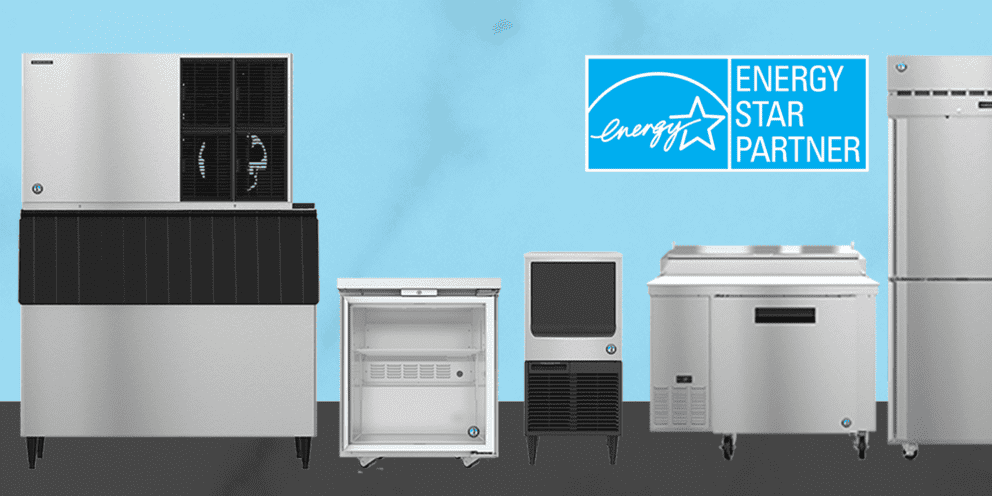
A close-up of a refreshing cocktail in a silver cup, garnished with mint leaves and filled with crushed ice produced by a Hoshizaki flaked ice machine

A dependable ice supply starts with smart foresight - Hoshizaki systems work well, yet even they stumble when storms hit or cooling fails under summer strain. When machines pause, service falters; drinks take longer, patients wait, profits slip. Instead of scrambling for last-minute deliveries at inflated prices, some keep extra storage on hand through secondary units or insulated reserves. This isn't about convenience - it's staying ready when conditions shift without warning. Operations that rely on steady output treat redundancy like insurance, because melting delays cost more than just time.


This guide covers key figures, gear choices, plus practical backup setups. Our web-based ice need estimator - alongside the complete range of pro ice makers - helps shape plans while avoiding excess cost or inadequate output.


The Numbers Understanding peak demand vs average demand

Ice output seldom lines up with how fast it gets used. Places like bars see wild spikes when happy hour hits. Hotels wrestle with sudden needs as guests arrive. Cafés scramble each morning when everyone wants coffee at once. Running a single unit built just for typical days leaves you exposed. When crowds show up, that setup falls short quickly. Having a second system running keeps things steady. It steps in when the rush takes off.


When systems fail, grabbing pre-packed ice isn’t just inconvenient - it hits the wallet hard, running up to tenfold what it would cost to make it onsite. Service slows down while waiting on deliveries, and drinks don’t come out right; patrons notice. Having a backup system might seem extra - until things go south, then it proves its worth fast.


A backup machine won’t necessarily spike your power costs. Instead of assuming double the load, some go for Energy Star-rated Hoshizaki models - smart picks that sip electricity. Another route? Pairing a main unit with a smaller, secondary ice maker used only during peak times. These Hoshizaki systems run lean, cutting energy drain without sacrificing output, especially useful when running dual setups.


Choosing how much storage you need goes beyond just backup hardware - space plays a real role. Pick the right bin from our options, one that matches demand, so ice builds up when energy costs dip. That stash steps in quietly if the primary system pauses.


Options Option 1: Full secondary machine. This approach uses a second Hoshizaki machine installed alongside the primary unit. Businesses choose this when:

• Ice demand is extremely high

• Service cannot stop under any circumstances

You’re after real N+1 backup - one system picks up when another drops out


Smaller setups rarely require heavy-duty power - some go compact just to keep things steady without overspending. A lighter version often does the job well enough, slipping into spots where full-scale systems would be overkill.


Option 2: A larger storage bin to build a buffer

More space in the bin works like quiet insurance. When demand slows, the unit keeps feeding a larger container, stacking up supply behind the scenes. That stash covers busy stretches later, so you skip the need for another machine altogether.


A backup option shows up where it matters - inside hotel lobbies, office break rooms, or clinic hallways. A separate unit stands ready when the primary system hesitates. Our range includes standalone models that keep surfaces stocked without relying on central output. When demand spikes, these units hold steady, feeding need without delay. Flow stays uninterrupted because extra supply lives right where people reach for it.


Option 4: Water filtration to protect uptime

A good number of so-called machine breakdowns? Often just gunked-up internals or sketchy water supply. Toss in a filter from our lineup - things run smoother, backups stay ready, hassles fade.


Getting extra gear on hand can fit within your means. Instead of paying everything upfront, companies often split payments over time - options sit right there on the financing section. It keeps things running smoothly without draining reserves.


Setting up two units - or pairing a unit with a dispenser - calls for proper venting, steady placement, and clear drain paths so they don’t disrupt each other. Checking the setup manual helps keep backup operations running without hiccups.


Scenarios: High-volume bar or nightclub

Bars run on steady ice flow. When one unit fails at busy times, drink prep stops dead. Places with heavy turnover pair a main system with a compact spare - sometimes just stack bigger storage to build up reserves.


Hotels yet guest levels

Guest spaces require steady ice flow. When one unit hiccups, having extra units on different levels keeps things running - so nobody’s left waiting. Machines dotted around the building handle breakdowns without chaos.


Medical centers rely on ice to support treatment, move samples safely, and maintain fluid levels. When one source fails, backups keep operations running. Dispensers cut down the risk of germs spreading while delivering consistent access - especially when power or supply hiccups occur.


Seasonal or fluctuating businesses

Cafés, beachfront spots, or pop-up joints might run a main rig alongside extra hold space - then tuck in a smaller backup box. That way, busy stretches get handled without locking into an oversized setup that just gathers dust off-season.


Build backups using actual usage patterns instead

Your backup plan needs to handle the busiest times, not only typical loads. To get a clear picture of how much you actually use each day or hour, try the online tool - it keeps guesses out of the equation.


Favor thrift over repetition

Having extras isn’t just about doubling up on the same gear. Sometimes, a compact backup model, roomier container, or cleaner-friendly design delivers solid coverage without the high price tag.


Keep systems running by filtering contaminants while setting them up right

Most unexpected stoppages don't have to happen. With proper filtration, regular upkeep, and timely setup, breakdowns drop sharply - making backups work better, almost without trying.


Run the numbers with us — explore models at the ice machine collection and ask for a quote.

Backup Ice Strategy: Planning Redundancy with Hoshizaki

Intro

A solid backup ice strategy: planning redundancy with Hoshizaki is essential for any business where ice is part of daily operations. Even the most reliable Hoshizaki ice maker can experience unexpected downtime from power issues, high ambient heat, or maintenance needs. Without a backup plan, the consequences include lost sales, slower service, and expensive emergency ice purchases. For restaurants, bars, hotels, and healthcare facilities, a redundancy plan isn’t a luxury—it's operational protection.

This guide walks you through the essential numbers, equipment options, and real-world redundancy models. Tools such as our online ice demand calculator and the full lineup of commercial ice machine options make it easier to plan without overspending or undersizing.

The Numbers

Understanding peak demand vs average demand

Ice production rarely matches consumption perfectly. Some businesses face extreme peaks—bars during happy hour, hotels at check-in, or cafés during breakfast rush. A primary machine sized only for average usage has no buffer during peak times. A backup system provides stability when demand surges.

Cost of downtime

Buying bagged ice during emergencies can cost 5–10 times more per pound than producing ice in-house. Beyond cost, downtime reduces service speed, affects beverage consistency, and impacts customer satisfaction. This is where redundancy pays for itself quickly.

Energy-efficient redundancy

Choosing a backup machine doesn’t mean doubling your utility bill. Many operators opt for Energy Star Hoshizaki units or a secondary low energy ice maker that supplements demand only when needed. Hoshizaki’s efficient commercial ice equipment helps reduce operating cost even when two machines are available.

Planning storage volume

Redundancy isn’t only about having a second machine—adequate storage matters. A properly sized bin from our bin selection lets you stockpile ice during off-peak times, creating a natural buffer when your main unit is offline.

Options

Option 1: Full secondary machine

This approach uses a second Hoshizaki machine installed alongside the primary unit. Businesses choose this when:

  • Ice demand is extremely high.
  • Service cannot stop under any circumstances.
  • You want true N+1 redundancy (one unit carries the load if the other fails).

Secondary units don’t need the same capacity as the main unit. Many operators pick a smaller model from the machine lineup to provide partial but reliable coverage.

Option 2: A Larger storage bin to build a buffer

Increasing bin capacity can serve as a “passive backup.” During low-demand hours, your machine fills a higher-capacity bin, building reserves for peak periods. This helps prevent mid-day ice shortages without requiring a second machine.

Option 3: Dispenser-based redundancy

In hotels, offices, and healthcare facilities, adding a dispenser creates redundancy at the point of use. Even if the main machine slows down, a dispenser unit from our dispenser selection ensures guest-facing areas still have consistent access to ice.

Option 4: Water filtration to protect uptime

A surprising percentage of “machine failure” calls stem from scale buildup or water quality problems, not actual mechanical issues. Installing a filtration system from our water filter collection reduces these interruptions and keeps both primary and backup machines efficient.

Financing backup equipment

Adding redundancy doesn’t have to strain your budget. Many businesses spread the cost using flexible plans available through our financing page. This helps you maintain operational security while preserving cash flow.

Installation considerations

Two machines, or a machine-plus-dispenser setup, require correct drainage, airflow, and positioning to avoid cross-interference. Reviewing our installation guide ensures your redundancy system performs consistently.

Scenarios

Scenario 1: High-volume bar or nightclub

Bars depend on continuous ice production. A single machine failure during peak service can halt cocktail output instantly. High-volume venues often combine a primary machine with a smaller backup or increase bin capacity to create buffer stock.

Scenario 2: Hotels and guest floors

Guest-facing areas need uninterrupted ice access. Hotels often choose multiple smaller machines spread across floors so a single failure doesn’t affect all guests at once.

Scenario 3: Healthcare facilities

Hospitals and clinics require ice for patient care, specimen transport, and hydration. Redundancy is mandatory. A dispenser-based system prevents contamination and ensures a steady supply even during unexpected outages.

Scenario 4: Seasonal or fluctuating businesses

Cafés, beach bars, and seasonal venues often pair a primary machine with additional storage and a compact secondary unit. This allows them to scale up during peak months without purchasing a high-capacity model they don’t need year-round.

Recommendation

Build redundancy based on real usage data

Your backup strategy should match your peak-demand requirements, not just average demand. Using the online sizing calculator helps estimate true daily and hourly consumption, preventing undersizing.

Focus on cost efficiency, not duplication

Redundancy does not always mean buying two identical machines. A smaller secondary unit, larger bin, or sanitation-focused dispenser may provide the protection you need at a lower cost.

Protect uptime with filtration and proper installation

Most unplanned downtime is preventable. Filtration, scheduled cleaning, and correct installation dramatically reduce failures—giving your redundancy system even more value.

Run the numbers with us — explore models in our Hoshizaki ice machine collection and ask for a quote.