
Sign in
When to Add a Dispenser vs Storage Bin to Your Hoshizaki
February 21, 2026
23
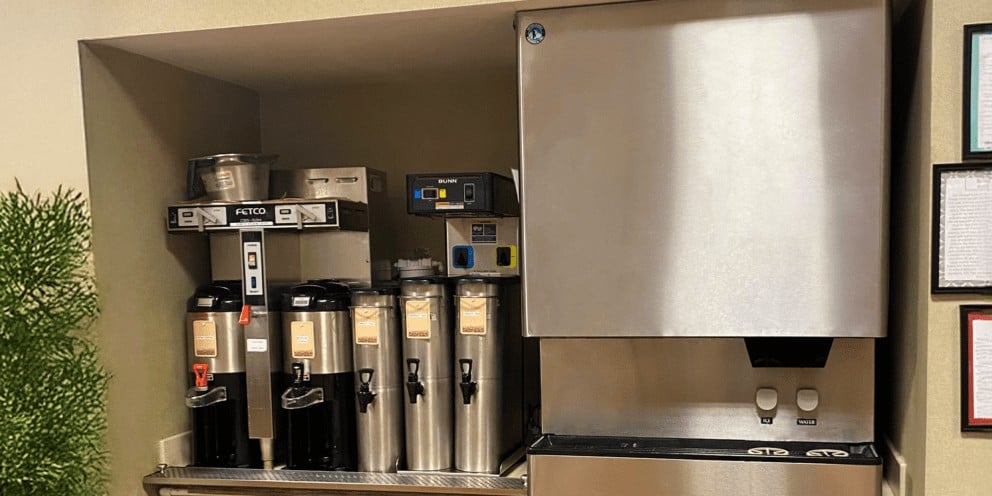
Picking between a dispenser or storage bin for your Hoshizaki system matters more than it first appears. A top-tier ice maker still underperforms if the output doesn’t align with daily routines. One holds ice passively, the other feeds it on demand - each shapes efficiency in its own way. Mismatching either to your workflow drags down speed, invites contamination, or adds unseen expenses over time.
This guide walks through the math, lays out what's on offer, and pulls in everyday situations - so picking the correct add-on feels natural. Try the ice need estimator, browse the complete range of bins; both keep your system matched to routine flow, plus those busier stretches.
The numbers show how much space is available compared to what gets used each day
A bin holds lots of ice at once, yet gives little control over serving size. When you're stocking drink stations, chilling fish trays, or packing portable coolers, bins deliver speed plus room to spare. Dispensers limit reach and measure output, which helps keep things clean in shared spots. Instead of scooping freely, users get set amounts - handy when teams rotate through busy areas.
Fully insulated containers slow melting, keeping ice ready longer. Because they’re built tight, Hoshizaki models stretch storage time without much loss - useful when customer needs shift midday. With dispensers, mess drops off; portion control kicks in, cutting down on excess grab. Spillage slips away where people serve themselves.
Maintenance plus cleaning expenses
Bins don’t have many moving parts, so upkeep usually means a wipe down and regular checkups. Instead of hands touching the ice, dispensers use gears, switches, and release systems - more pieces that might need attention now and then. Because people aren’t reaching in, cleanliness gets easier, especially where health rules matter, or customers come close. Attaching any of these units to filtered water slows gunk from forming while helping inner bits last longer.
Total expense over time
Bins tend to be cheaper at first glance, yet dispensers might save effort and reduce mess over time, where lots of people serve themselves. What you actually gain hinges on daily usage patterns, not merely what it costs coming out the door.
Options: When a storage bin is the right choice
Storage bins suit setups where grabbing ice quickly matters most. Choose one if reachability tops your list. They shine where movement around the area stays open. Think simple access over complex systems. When clutter could slow things down, this route often helps more. Ease of use usually wins here
Ice is scooped frequently for drinks, prep, or food service.
Extra space becomes essential when demand spikes.
Frozen cubes are managed by workers who know the routine. The team up front handles chill with practiced hands.
Keeping costs low matters more than anything else.
Explore compatible sizes in our Hoshizaki bin catalog to match storage capacity with your machine’s production rate.
Cleanliness matters most where people gather - hotels demand it, schools rely on it, hospitals require it, and offices expect it.
Handling ice should involve as little contact from workers as possible.
Browse models designed for guest floors, cafeterias, and breakrooms in the Hoshizaki dispenser lineup.
Setting up both bins and dispensers means getting them perfectly level - slopes cause problems. Drainage needs attention; trapped water leads to headaches later. Leave enough space around each unit so maintenance isn't a struggle. Peek at the installation manual - it clears up how everything fits together right off the bat.
Scenarios Bars and full-service restaurants
Bars run on speed when the crowd hits. Quick grabs from a storage bin keep drinks moving without delay. Slow dispensers? They don’t stand up under pressure. High-volume nights demand simple, direct solutions - fancy setups just get in the way.
Hotels plus guest levels
Most hotels stick to using dispensers where guests can reach them - keeps things clean and cuts down on issues. Off the visible path, workers might still use their own container nearby.
Healthcare and medical facilities
In healthcare, staying clean isn't up for debate. Dispensers keep their hands off shared surfaces while moving ice safely from the bin to the cup. Filtration works behind the scenes - cleaner output means fewer risks piling up over time.
Some quick-service spots run tight on space, so setup shapes what they pick. Drink areas go straight to taps - no fuss. Behind the counter, crew members lean into bins when chopping or mixing. A few places mix both methods just to keep pace without cutting corners.
Go with what fits your rhythm - ease into it, not what feels familiar
Bins bring speed, and also handle heavy use. Dispensers offer cleanliness, plus keep portions in check. Picking one leans on how workers and guests reach for ice when hours stack up.
Make sure everything works together - the bin or dispenser fits your machine’s ice style and how much it makes. Look at what you need, how much space you have, plus whether extras line up, so things run without hiccups.
Think decades, not months. Pouring cash into flashy dispensing tech - or skimping on storage - drains value over time. Right-sized systems cut excess, boost flow, and last longer.
Run the numbers with us — explore models at the ice machine collection and ask for a quote.
When to Add a Dispenser vs Storage Bin to Your Hoshizaki
Intro
Choosing when to add a dispenser vs storage bin to your Hoshizaki setup is one of the most important configuration decisions for any business relying on a commercial ice machine. Even the best Hoshizaki ice maker won’t perform at its best if the ice-handling method isn’t sized or matched correctly. A bin and a dispenser do completely different jobs, and each dramatically affects workflow, sanitation, speed, and long-term operating costs.
This guide walks through the numbers, available options, and real-world use cases to help you pair your machine with the right accessory. Tools such as our ice demand calculator and full storage bin selection can make it easier to choose components that match your production and workflow needs.
The Numbers
Storage capacity vs daily usage
A bin stores ice in bulk, while a dispenser portion controls it. The choice depends on your peak-hour consumption and daily output. If your business uses large batches—such as filling coolers, prepping seafood, or stocking bar wells—a bin offers higher capacity and better accessibility. For self-service or sanitary environments, a dispenser prevents hands or scoops from entering the ice supply.
Efficiency and insulation
Good bin insulation reduces ice melt and improves total usable volume throughout the day. A well-insulated Hoshizaki bin combo can hold ice for hours with minimal loss, making it ideal for locations with intermittent demand. Meanwhile, dispensers waste less ice overall, since they reduce spillage and keep ice contained.
Maintenance costs and sanitation
Bins are simpler to maintain—mostly requiring routine cleaning and ice bin maintenance checks. Dispensers add moving parts, motors, and sensors, which means slightly higher upkeep. However, dispensers offer far better hygiene in environments where many people access the machine. Filtration systems from our water filter collection help reduce scale buildup and keep either setup running efficiently.
Total cost of ownership
A bin is usually cheaper upfront, but a dispenser can reduce labor costs by preventing over-scooping and lowering cleaning frequency in busy, self-service environments. Your actual ROI depends on how ice is being used day to day, not just on purchase price.
Options
When a storage bin makes the most sense
Bins are ideal for businesses that require large-volume access to ice. They’re the better choice when:
- You scoop ice frequently for drinks, prep, or food service.
- You need high storage capacity during peak hours.
- Your workflow allows employees behind the counter to manage ice.
- You want the most cost-effective accessory for your Hoshizaki ice maker.
Browse compatible capacities in our Hoshizaki bin catalog to match storage volume to your machine’s production rate.
When a dispenser is the better option
A dispenser improves sanitation and reduces waste. It becomes the right choice when:
- Customers or guests access ice directly.
- You need portion control to avoid overfilling cups or buckets.
- Your environment requires strict sanitation—schools, hotels, healthcare, and office spaces.
- You want to limit staff interaction with ice to prevent contamination.
Explore models suited for hotel floors, cafeterias, and breakrooms in the Hoshizaki dispenser lineup.
Choosing the right size for your workflow
Before deciding between a bin or dispenser, calculate actual daily ice demand using our sizing tool. This prevents undersizing the bin or overloading a dispenser during busy periods. Pairing the right accessory with a correctly sized machine from our machine selection ensures optimal performance.
Financing options for upgrading both components
Adding a bin or dispenser alongside your ice maker often increases upfront cost. Business owners can spread the expense by exploring flexible plans on our financing page. This lets you choose the correct configuration without compromising cash flow.
Installation considerations
Both bins and dispensers require stable, level installation, proper drainage, and enough clearance for service access. Reviewing our installation guide helps ensure the full system functions exactly as intended.
Scenarios
Scenario 1: Bars and full-service restaurants
Bars typically need fast access to large amounts of ice—often multiple scoops per minute. A bin allows bartenders to work at full speed without waiting for dispensing cycles. Dispensers slow workflow, making them a poor match for high-volume bar service.
Scenario 2: Hotels and guest floors
Hotels almost always require dispensers to ensure guests can access ice without contamination. A bin behind the scenes may still be needed for staff, but guest-facing access should be through a dispenser.
Scenario 3: Healthcare and medical facilities
Sanitation is critical in healthcare environments. Dispensers prevent cross-contact and help maintain clean ice handling. Combined with proper filtration, they support hygiene requirements while delivering consistent performance.
Scenario 4: Quick-service restaurants
QSR locations vary. If customers fill their own drinks, a dispenser is essential. If staff prepare all beverages behind the counter, a bin often makes more sense. Many operators choose both: a dispenser for guests and a bin for back-of-house prep.
Recommendation
Pick based on workflow—not preference
A bin serves high-volume operations that require fast scooping, while a dispenser provides sanitation and portion control for guest-facing environments. The correct choice depends on how your staff and customers interact with the ice throughout the day.
Pair accessories with the right machine
Your dispenser or bin must match your machine’s ice type and production volume. Review your daily demand, choose the correct accessory, and ensure compatible sizing across the entire system.
Think long-term ROI
Overspending on a dispenser or undersizing a bin both reduce lifetime value. A properly matched configuration increases efficiency, reduces waste, and extends equipment lifespan. When in doubt, use our online tools or consult our team to align your choices with real-world usage patterns.
Run the numbers with us — explore models in our Hoshizaki ice machine collection and ask for a quote.
Featured Product
Recent Posts

Login and Registration Form