
Sign in
Best Hoshizaki Ice Machines for Breweries (Capacity, Footprint, Budget)
January 08, 2026
67
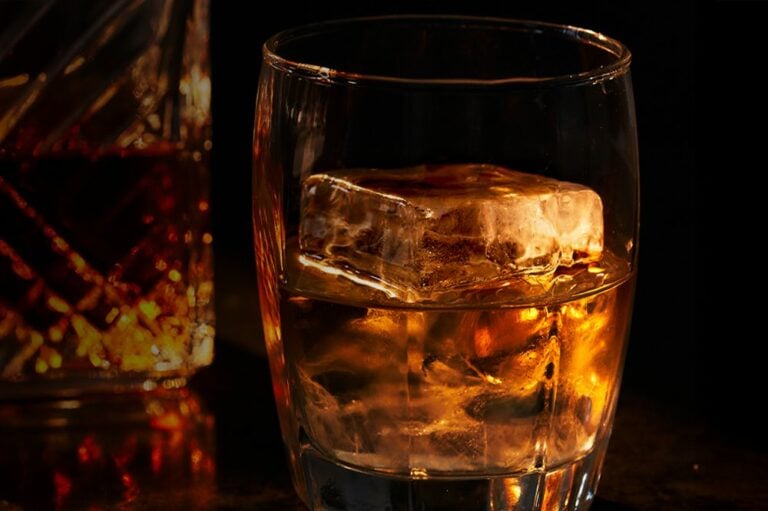
Picking a solid Hoshizaki ice maker makes life easier in brewery taprooms, sampling spots, or behind the scenes. Beer grabs attention - still, places need ice for serving guests, crafting cool drinks, hosting gatherings, or chilling gear during daily work.
Hoshizaki units work well in breweries - ice stays steady, uptime runs high, yet power use stays low. So when smooth workflows matter, fewer breakdowns mean less hassle plus solid results.
Demand Profile
Taproom beverage service
Some taprooms that mainly serve beer still need ice for water, soft drinks, mixed drinks, or chilling take-home jugs. Breweries ought to expect around 1 to 2 pounds per visitor, though places that also sell cocktails might use more.
Behind-the-scenes operations, along with help in making things work
Ice comes in handy for quick cooling, small batches, or setting up tastings when guests visit. One solid unit keeps you covered, so things don’t slow down on packed Saturday nights.
Event-driven yet seasonal needs
Live tunes, beer bashes - these heat up ice needs fast. When crowds swell under the hot sun, your machine must keep pace without slowing down.
Good / Better / Best
Fine: Small bars get tight-fitting coolers below the counter
Undercounter ice makers suit small breweries where room is tight, or drink menus aren't huge. These units churn out about 50 to 100 pounds daily, so staff get quick access to ice right behind the bar - no need to waste floor area. Check what’s available in the undercounter line.
Better yet - snap-on tops paired with medium-sized storage boxes
Some breweries use compact ice makers that crank out 300 to 600 pounds daily. With a matching storage bin holding 250 to 500 pounds, they handle busy taprooms plus kitchen demands. Check out the right units in the modular ice series.
Best: Multi-station, high-capacity configurations
Larger breweries or multi-bar brewpubs get help from several units to keep ice flowing nonstop. One powerful system usually comes with:
A main heavy-duty cube maker shaped like a crescent for serving drinks
• A secondary unit feeding a dedicated ice storage bin for events
A different device that helps out with sampling areas or setting up drink sets
This method keeps ice within reach wherever guests go or staff work.
Space & Power
Taproom and bar footprint planning
Breweries use all kinds of rooms - some small with tight corners, others big like open warehouses. Check how much floor room you’ve got, how tall your counters are, if there’s enough air flow, and where people need to move before picking any unit. If it's a snug area, go for something slim or maybe one that works like a self-serve fountain.
Electrical requirements
Modular ice makers usually need 208–230V power along with separate circuits, whereas undercounter models tend to run on regular 115V plugs. Setting up wiring ahead of time keeps things moving during setup. Check specifics over at the installation page.
Ventilation plus keeping things cool
Brewing gear gives off a lot of warmth right away. Since air-cooled chillers require space around them, water-based units keep work zones cooler. Remote setups also handle excess heat better where people serve.
Water / Filtration
How clean beer starts with smart filtering at breweries
Taprooms need clear ice that doesn't alter flavor - crucial when mixing drinks or serving zero-proof options. Dirty water leads to foggy cubes, gunk in machines, and more repair visits.
Choosing the right filtration system
A strong filter keeps the cooling surface clean while helping ice stay clear. If you're brewing in an area with tough water, try using layered filtering methods. Check out what’s available in our selection of water filters.
Scaling back size while cutting idle time
Fresh water slows down gunk in pipes, keeping things running smoother. Swapping filters now, then plus sticking to check-ups helps gear last longer - fewer surprises when it’s busiest.
Budget / Financing
Upfront ownership
Purchasing a Hoshizaki machine straight up means less money spent over time while giving full control. Some breweries go this route just to avoid unexpected costs down the road.
Financing options
Starting a brewery? Financing helps cover gear expenses gradually - so you can grab bigger machines right away. Check out options here: financing page.
Thinking ahead about how things might expand
If you're thinking about hosting more events at your taproom - or maybe adding extra serving spots - getting an ice maker that's just a bit bigger can save hassle later. Since Hoshizaki units last quite a while, sizing up now fits well with future goals.
See your short list and request a quote — start with our ice machines or ask us on our contact page.
Best Hoshizaki Ice Machines for Breweries (Capacity, Footprint, Budget)
Intro
Selecting the right hoshizaki ice machine for breweries ensures your taproom, tasting room, and back-of-house operations stay efficient and guest-ready. Breweries have unique ice demands—running everything from chilled tasting flights to large-volume service for events and beer gardens. Hoshizaki’s reputation for reliability, durability, and clean ice production makes it a top choice for breweries that require steady output from a commercial ice machine without sacrificing energy efficiency or long-term performance.
Demand Profile
Taproom beverage service
While beer is the main focus, breweries still use significant amounts of ice for non-alcoholic drinks, cocktails, growler coolers, and guest amenities. Ice requirements typically fall between 1–2 lbs per guest, depending on the beverage mix. High-traffic taprooms or brewpubs with mixed drink menus may need even more.
Back-of-house and production use
Breweries often use ice for quick cooling, small-batch processing, or for chilling tasting samples during special events. A dependable unit prevents shortages that could disrupt operations during busy weekends or large tours.
Event and seasonal surges
Live events, beer festivals, and summer crowds dramatically increase ice consumption. Machines that support high volume production ensure consistency even during unexpected spikes in demand.
Good / Better / Best
Good: Compact undercounter units for small taprooms
For breweries with limited space or modest beverage programs, undercounter machines are efficient and quiet. They provide 50–100 lbs/day and keep essential ice close to bartenders without taking up valuable floor space. Explore options in the undercounter collection.
Better: Modular heads with mid-size bins
Most breweries rely on modular heads that produce 300–600 lbs/day. Paired with a 250–500 lb bin, these systems store enough ice for full taproom service plus back-of-house needs. You can browse suitable models in the modular ice head collection.
Best: Multi-station, high-capacity systems
Large breweries, brewpub chains, or facilities with multiple bars benefit from multi-unit setups that guarantee continuous supply. A typical high-volume configuration includes:
- A primary high-output crescent cuber for drink service
- A secondary machine feeding an ice storage bin for events
- A dedicated unit for tasting rooms or flight preparation
This approach ensures ice availability across all guest-facing and operational zones.
Space & Power
Measuring taproom and bar footprints
Breweries often operate in repurposed warehouses or industrial spaces, which means layouts vary dramatically. Before choosing a machine, measure installation space, walkway clearance, counter height, and airflow paths. If space is tight, consider a compact machine paired with an efficient bin or an ice dispenser.
Electrical planning
Many modular machines require 208–230V and dedicated circuits. Undercounter units often run on standard 115V outlets. Planning ahead helps avoid electrical upgrades later. You can reference installation guidelines for recommended load specs.
Ventilation and heat considerations
Ice machines generate heat, and breweries can already be warm due to brewing equipment. Air-cooled machines require clearance, while water-cooled machines reduce heat but increase water usage. Remote-condenser setups are ideal for breweries aiming to remove heat from service areas.
Water / Filtration
Why filtration matters in breweries
Taprooms need clean, taste-neutral ice—especially when serving popular mixed drinks or non-alcoholic options. Poor water quality leads to cloudy ice, machine stress, and frequent service calls. Proper filtration helps maintain consistency across all guest floor ice machines.
Matching filter systems to your machine
Hoshizaki recommends high-capacity filtration to protect evaporator plates and maintain crystal-clear ice. For breweries located in hard-water regions, consider multi-stage solutions. Explore options in the water filter collection.
Reducing scale buildup
Breweries often deal with mineral-heavy water, making scale the biggest threat to machine efficiency. Filters, regular cleaning, and preventive service reduce downtime and extend machine life—critical for busy taprooms or brewpubs running long service hours.
Budget / Financing
Upfront purchase
Buying a Hoshizaki machine outright offers the lowest lifetime cost and maximum reliability. Many breweries prefer this route because they value long-term stability and reduced operational surprises.
Financing options
When budgets are tight—especially for new breweries—financing spreads out equipment expenses while allowing you to invest in a high-capacity model from the start. Review programs at our financing page.
Scaling for future growth
If your taproom expects increases in guest volume, events, or secondary bar stations, choosing a slightly larger model ensures you won’t outgrow your system within a year. Hoshizaki machines are designed for long service life, making over-sizing a smart long-term strategy.
See your short list and request a quote — start with our ice machines or ask us on our contact page.
Featured Product
Recent Posts

My Account
Sign in or create an account to check out faster and track your orders.