
Sign in
Best Hoshizaki Ice Machines for Wineries (Capacity, Footprint, Budget)
January 09, 2026
187
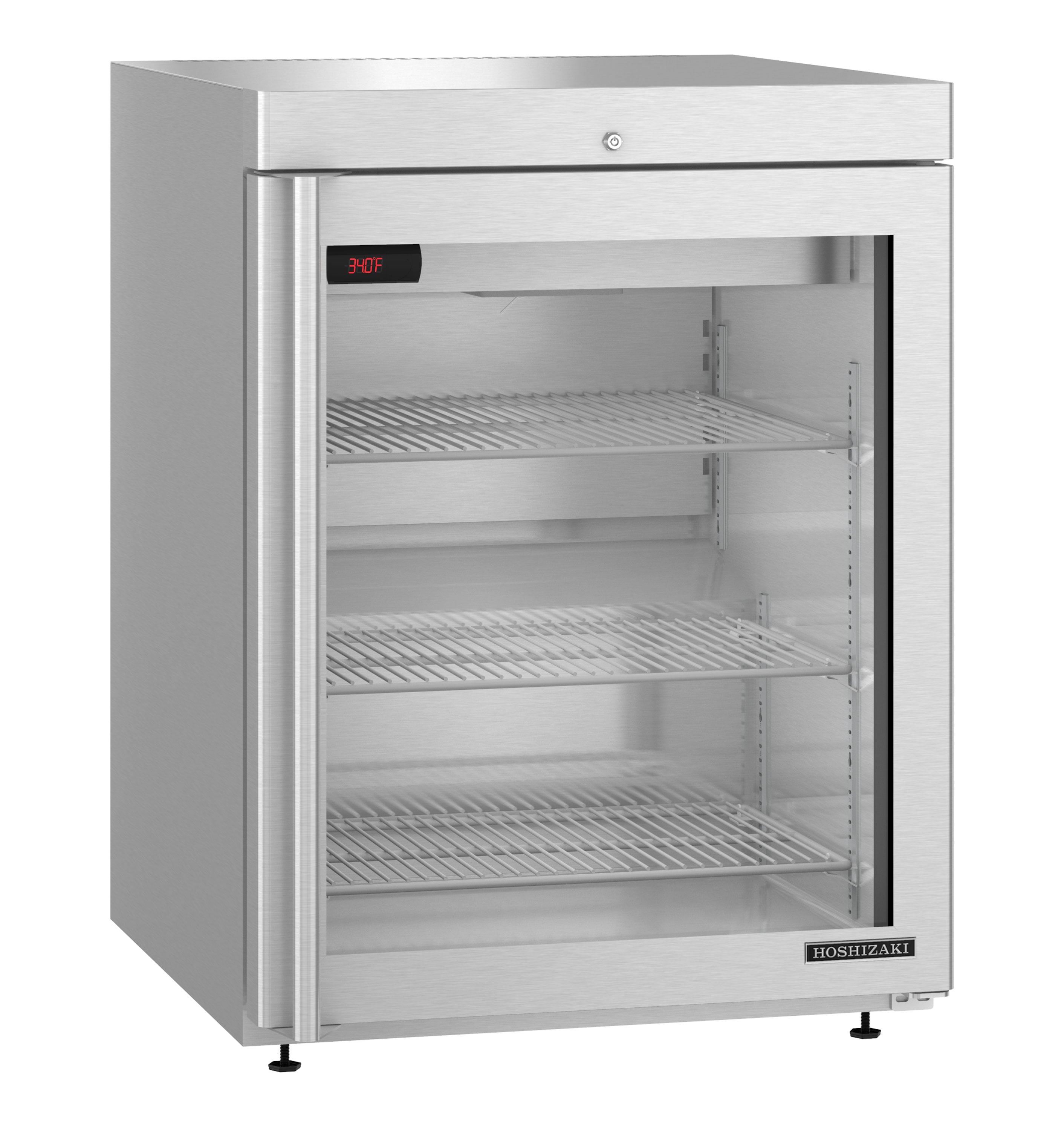
Picking a Hoshizaki ice maker matters when running a winery - it helps serve guests well, handle events smoothly, or manage kitchen tasks behind the scenes. Cold water needs it, so do mixed drinks with wine, showing off bottles nicely, plus making tours or special gatherings feel more welcoming.
Hoshizaki units work great for wineries - they last a long time, make clean ice, and offer efficient models that save power. Some wineries go for Energy Star versions from Hoshizaki, so they spend less over time but still help the environment.
Demand Profile
Tasting space, but also handles visitors
Ice keeps drinks cold, chills bottles right at tables or displays, and handles cocktail prep using wine. Wineries usually set aside about 1 to 2 pounds per person, though it shifts based on how tastings run, what’s served, plus crowd size each day.
Parties, weddings, and special get-togethers
Wineries throwing weddings see a sudden spike in how much ice they need. Such events can easily push daily use two or three times higher, so being able to make enough - and store it - matters big time.
Behind-the-scenes tasks, along with helping out where things are made
Ice helps manage temps, get drinks ready, or stabilize small batches. Even though wineries don’t use as much ice as breweries, a steady supply matters - keeps things running without hiccups.
Good / Better / Best
Good: Undercounter units for boutique wineries
Smaller tasting spots or by-appointment vineyards usually go for slim under-counter units, making around 50 to 100 pounds daily. Instead of loud systems, these run quietly below countertops while still delivering a steady ice flow. Check out options within the built-in ice maker lineup.
Better because it uses separate parts that keep things running smoothly every day
Mid-sized wineries work well with ice machines that make between 250 and 500 pounds daily. Since they connect to correctly scaled storage bins, output stays steady on hectic Saturdays. Check out what’s available in the split-system range.
Best: High-capacity, event-focused configurations
Folks running big wine spots - especially those with eateries, open-air spaces, or regular gatherings - usually need machines that churn out 600 to over a thousand pounds daily. You’ll typically spot these rigs set up like this:
• A main device helping out with serving samples in the lounge
• A second space set aside for events or banquets - also works well when you need extra room now and then
• Additional machines feeding large ice storage bins for caterers
This setup stops clashes between zones, especially when crowds show up for tastings or events.
Space & Power
Tasting space design plus overall size
Wineries usually have one-of-a-kind setups - think old cellars turned cozy spots, wooden bars, or small serving zones. Before picking gear, check how wide the door is, how tall the counters stand, if there’s enough room for air flow, plus the floor area it’ll take up. If space feels tight, go for built-in units or narrow pour systems instead.
Electrical requirements
Many modular ice makers need a 208–230V supply along with separate circuit breakers, but built-in models usually run off regular 115V sockets. Check if your setup matches the specs right away - go through the install manual first.
Ventilation plus temperature control
Ice makers give off warmth - especially when tucked into tight tasting areas. Air-cooled ones need space around them to work right, whereas water-cooled versions shed less heat but guzzle more water. Some wineries mix Energy Star-rated Hoshizaki units with smart air flow layouts so they don't waste power.
Water / Filtration
Water quality, but also how the ice looks
Presentation counts at wineries. If ice looks hazy or tastes odd, it can mess up drinks, water served to guests, and how they see the place. Using filtered water makes clearer, better-tasting cubes - perfect when pairing with high-end wine.
Managing mineral content
Some wine-growing areas come with tough, mineral-heavy water - this ups the chance of scaling. To keep evaporator parts safe while maintaining performance, a solid filter setup helps. Check out what’s available in the water filtering range.
Supporting sustainable operations
Wineries that care about the planet often team up a budget-friendly ice machine with smart filtering systems. So they cut down on trash, use less electricity, and match their green image better.
Budget / Financing
Buy now, get lasting benefits
Buying a machine straight up means less spending over time while skipping repeated loan fees. A bunch of well-known wineries go this route just to keep costs steady.
Financing for flexibility
Funding helps vineyards boost their space while keeping cash steady through busy seasons. That’s key when opening fresh tasting areas or growing special events. Check different choices at financing page.
Getting ready for what’s coming later
If you're thinking about hosting more guests at your winery, picking a unit with a bit more output can dodge later hassles. Since Hoshizaki units last for years, choosing one that fits ahead of time makes sense down the road.
See your short list and request a quote — start with our ice machines or ask us on our contact page.
Best Hoshizaki Ice Machines for Wineries (Capacity, Footprint, Budget)
Intro
Choosing a hoshizaki ice machine for wineries is essential for tasting rooms, production spaces, events, and vineyard hospitality programs. Wineries rely on ice for beverage service, bottle chilling, food pairings, and guest experiences during tours and events. Hoshizaki is a preferred choice thanks to its durability, clean ice production, and the availability of low energy ice maker options, including Energy Star Hoshizaki models that lower long-term operating costs. The right machine ensures efficiency, reliability, and eco-friendly ice production that meets both guest expectations and sustainability goals.
Demand Profile
Tasting room and guest experience
Ice is used for chilled water service, wine-based cocktails, and keeping bottles cold in display buckets. Wineries typically need 1–2 lbs of ice per guest depending on menu offerings, tasting style, and event foot traffic.
Events, weddings, and private functions
Event-heavy wineries require significantly higher volumes—often doubling or tripling their daily ice demand. Large tasting groups, weddings, and outdoor festivals rely heavily on stable supply and large storage capacity.
Back-of-house and production
Ice may be used for temperature control, small-lot stabilization needs, or chilling beverage service containers. Although not as ice-intensive as breweries, wineries still require dependable output from commercial ice equipment to avoid service disruptions.
Good / Better / Best
Good: Undercounter models for boutique wineries
Smaller tasting rooms or appointment-only wineries often need compact, quiet units producing 50–100 lbs/day. These sit neatly beneath counters and support essential guest service without taking up floor space. Explore options in the undercounter ice machine collection.
Better: Modular heads for steady, all-day service
Medium-sized wineries benefit from modular systems that can handle 250–500 lbs/day and store ice in appropriately matched bins. These ensure tasting rooms stay supplied even during peak weekend hours. See the selection in the modular head collection.
Best: High-capacity, multi-station, event-focused builds
Large wineries with restaurants, outdoor terraces, and event venues require high-output units—often 600–1,000 lbs/day or more. A multi-machine system can include:
- A primary machine for tasting room service
- A secondary unit for event and banquet ice storage
- Additional units feeding large storage bins for caterers
This ensures that service areas never compete for supply, even on high-volume tasting weekends or festival days.
Space & Power
Fitting machines into tasting room layouts
Wineries often have unique architectural constraints—rustic bars, tight back rooms, or renovated cellar spaces. Measure the intended footprint, doorway width, counter height, and airflow direction to avoid installation surprises. Tasting rooms with limited floor space may prefer undercounter machines or slim-profile dispensers.
Power requirements and electrical compatibility
Modular ice machines typically require 208–230V and dedicated breakers, while undercounter units frequently run on standard 115V outlets. Before purchasing, confirm load capacity and review installation guidelines to ensure compatibility.
Heat and ventilation considerations
Ice machines generate heat—especially in enclosed bars or tasting rooms. Air-cooled units need proper clearance, while water-cooled units reduce heat output at the cost of increased water use. Wineries focused on sustainability often pair Energy Star Hoshizaki machines with efficient airflow planning to reduce total energy load.
Water / Filtration
Water quality and ice clarity
Wineries take presentation seriously. Cloudy or poor-tasting ice can impact cocktails, water service, and the guest experience. Proper filtration helps ensure clean, neutral ice that complements premium wines.
Reducing mineral issues
Many vineyard regions have hard or mineral-rich water. This increases the risk of scale buildup on evaporator plates. A strong filtration system combined with regular maintenance helps extend machine lifespan and preserve efficiency. Explore solutions in the water filter collection.
Supporting eco-friendly ice production
Wineries often emphasize sustainability. Pairing a low energy ice maker with high-efficiency filtration reduces waste, saves electricity, and aligns with eco-friendly branding efforts.
Budget / Financing
Buying outright for lowest long-term cost
Purchasing your machine upfront offers the best total cost of ownership and avoids ongoing interest or leasing fees. Many established wineries take this path for budget stability.
Financing for cash-flow flexibility
Financing allows wineries to acquire the right machine without straining seasonal cash flow. This is especially useful for new or expanding tasting rooms. Compare programs on our financing page.
Planning for future expansion
If your winery hosts seasonal events, festivals, or expects to grow visitor volume, investing in a slightly larger system prevents future shortages. Hoshizaki’s reliability means your investment will serve the business for many years.
See your short list and request a quote — start with our ice machines or ask us on our contact page.
Featured Product
Recent Posts

Login and Registration Form