Sign in
Best Hoshizaki Ice Machines for Convenience Stores (Capacity, Footprint, Budget)
December 28, 2025
121
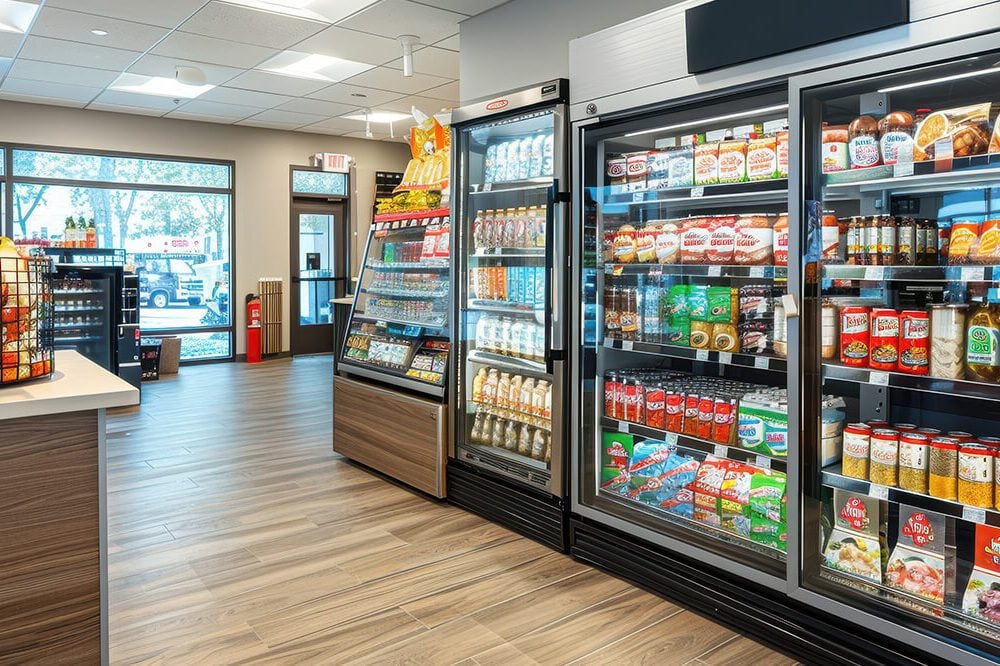
Picking a solid Hoshizaki ice maker for corner shops shapes how well drinks sell, keeps customers happy, and boosts daily workflow. Instead of cafes or motels, bodegas need tons of ice - think soda fountains, cold brew setups, plus bags sold by the pound. Since Hoshizaki gear works hard without failing, shop owners avoid breakdowns, serve purer ice, and keep output stable when lines get long. If you're looking into rent-to-own deals or pay-by-month plans, nailing down the best fit early cuts future bills and skips surprise repairs.
Demand Profile
Fountain drinks or icy drink spots
Convenience shops use way more ice per square foot compared to most retail spots. Big 32–44 oz cups, along with constant top-offs, lead to serious usage. Places offering drive-thru service or seeing lots of travelers might require between 500 and 800 pounds made each day.
Bagged ice sales
Plenty of spots offer packaged ice when it heats up outside. Running your own packaging? You'll need fast-producing units along with roomy holding tanks - weekends and public holidays bring big rushes.
Fresh-prep offerings or food service setups
Folks selling ready-to-eat greens, chilled subs, or shiny fish cases might require extra flake or small cube ice units - so things stay cool enough, plus look good up front.
Good / Better / Best
Good: Undercounter units for small stores
Smaller shops that don't sell tons of drinks might prefer an undercounter unit. They take up little space but still perform well day after day. Check out these models if you need something quiet and dependable - perfect for one soda dispenser or extra ice now and then.
Better: Modular heads with mid-size bins
Many shops do well with split-type ice machines hooked up to containers holding 250 to 500 pounds. They’re adaptable while delivering steady production of around 300–600 lbs each day. Check out different modular units to fit your chosen storage size, along with drink service demands.
Best: High-capacity systems for multi-station service
Busy corner shops - with lots of soda fountains, car window service, or big iced coffee sales - require units making 700 to 1,200 pounds daily. One top option could feature:
• A big Hoshizaki cube maker - ideal for soda fountains - runs nonstop when needed, delivering steady output without hassle or delay
• A backup unit for making ice in bags or chilled drinks
• Choose a cube maker or flake unit if you’re setting up how food looks
This setup avoids shortfalls when mornings get busy, weekends pick up, or demand jumps at certain times of year.
Space & Power
Small footprint requirements
Convenience shops usually have small storage areas behind the scenes. Instead of taking up much room, under-counter fridges save floor space - though stacking setups need height to work properly. Check your available area first; then use the sizing tool to make sure everything fits just right.
Electrical plus socket placement
Some big machines need special 220V outlets. Check if your shop’s power box handles that draw before buying one. When upgrades are necessary, go over setup steps so things don’t get held up.
Keeping things cool where there’s no room to spare
Ice machines give off heat, yet tight spaces trap it fast. For air-cooled models, good airflow is key; otherwise, they struggle. Water-cooled ones run cooler but cost more on bills. Without steady circulation, ice output drops by afternoon.
Water / Filtration
Frozen water clarity affects drink profits
Clients spot it fast if soda tastes weird. Good filters clean up flavor, look, and how well the system runs - so each pour hits the mark. Bad filtering leads to scale buildup, hazy cubes, or slower service.
Selecting the correct filtration system
Shops where water’s heavy with minerals need layered filters - this stops gunk building up inside machines. Check out what's available in the filter range so you can pick one that fits both your device and tap water quality.
Less scale means things last longer
Scale often leads to service visits. Since filtration helps prevent deposits, it maintains cleaner parts inside while safeguarding your purchase - crucial if you’re leasing gear or using financing options.
Budget / Financing
Purchasing now to save over time
Paying cash for your Hoshizaki unit saves money over time - ideal if your shop gets steady customers every day. Since they last ages and hardly break down, buying it outright just makes sense.
Lease-to-own or pay each month instead
Some small shops on a budget might like easier ways to pay. Instead of buying outright, they can rent an ice maker with the chance to own it later. This setup helps them keep more money free each month. Even so, they’ll still make plenty of ice every day.
Funding businesses with multiple spots instead of just one
Folks running chains might open new spots or upgrade old gear - financing helps split those bills over months. That way, every location runs on similar machines while upkeep gets simpler to line up.
See your short list and request a quote — start with our ice machines or ask us on our contact page.
Best Hoshizaki Ice Machines for Convenience Stores (Capacity, Footprint, Budget)
Intro
Choosing the right hoshizaki ice machine for convenience stores directly affects drink sales, customer satisfaction, and operational efficiency. Unlike restaurants or hotels, convenience stores depend on high ice turnover for fountain beverages, iced coffee programs, and bagged-ice sales. With Hoshizaki’s proven reliability in commercial ice equipment, operators can reduce downtime, deliver cleaner ice, and maintain steady production even during peak rush hours. For stores exploring lease to own ice machine programs or flexible monthly payment options, choosing the correct model up front ensures lower long-term costs and fewer service disruptions.
Demand Profile
Fountain drink and frozen beverage stations
Convenience stores typically consume more ice per square foot than almost any other retail operation. Large 32–44 oz cups and frequent refills create heavy demand. Stores with drive-through lanes or high commuter traffic may need 500–800 lbs of daily production.
Bagged ice sales
Many locations sell bagged ice during warm seasons. If your store produces bags in-house, you’ll require high-volume machines plus large ice storage bins to keep up with weekend and holiday spikes.
Food service and fresh-prep programs
Stores offering grab-and-go salads, cold sandwiches, or fresh seafood displays may need additional flaked or cubelet ice machines to maintain safe temperatures and appealing presentations.
Good / Better / Best
Good: Undercounter units for small stores
Smaller convenience stores with moderate beverage traffic can start with an undercounter model. These units offer compact footprints and consistent output. Explore the undercounter collection for quiet, reliable units suitable for single fountain heads or backup ice production.
Better: Modular heads with mid-size bins
Most stores benefit from modular ice makers paired with bins sized between 250 and 500 lbs. These offer flexibility and stable daily output in the 300–600 lb range. Browse available modular ice machine heads to match your preferred bin size and beverage program needs.
Best: High-capacity systems for multi-station service
Busy convenience stores—especially those with multiple fountain stations, drive-through traffic, and high-volume iced coffee programs—need machines that can produce 700–1,200 lbs per day. A “best tier” setup may include:
- One large Hoshizaki cuber for fountain ice
- A secondary machine for bagged ice or frozen drink equipment
- Optional cubelet or flaker machine for food display programs
This arrangement prevents shortages during morning rushes, weekend surges, and seasonal traffic spikes.
Space & Power
Small footprint requirements
Convenience stores often operate with tight backroom space. Undercounter units offer a minimal footprint while modular systems require vertical clearance. Always measure your installation space and confirm fit using the size calculator.
Electrical and outlet positioning
Some high-volume machines require dedicated 220V circuits. Before purchasing, verify whether your store’s electrical panel can support the load. If modifications are needed, review installation guidelines to avoid delays.
Heat management in tight spaces
Ice machines generate heat, and small backrooms can become restricted quickly. Air-cooled units need proper ventilation, while water-cooled units reduce heat but increase utility costs. Proper airflow ensures consistent ice production throughout the day.
Water / Filtration
Ice quality impacts beverage sales
Customers notice when fountain drinks taste off. Filtration improves clarity, taste, and machine performance, ensuring every drink meets customer expectations. Poor filtration can cause mineral deposits, cloudy ice, and reduced output.
Selecting the correct filtration system
Stores in areas with hard water must invest in multi-stage filtration to avoid damage to internal components. Explore options in the water filter collection to match the right system to your machine and local water conditions.
Reducing scale buildup for longevity
Scale is one of the leading causes of service calls. Filtration reduces buildup, keeps internal surfaces clean, and protects your total investment—especially important for operators choosing equipment financing or lease-to-own programs.
Budget / Financing
Buying outright for long-term value
Purchasing your Hoshizaki machine upfront offers the lowest lifetime cost, especially for stores with stable daily traffic. These machines are known for long service life and low failure rates, making upfront purchase appealing.
Lease-to-own and monthly payment options
Convenience stores with tight budgets or new locations may prefer flexible payment structures. Lease to own ice machine options allow stores to get a higher-capacity machine without the upfront burden. Monthly payment programs conserve cash flow while still providing reliable daily ice production.
Financing multi-location or chain operations
Chains opening multiple stores or refurbishing aging equipment can use financing to spread costs across the year. This enables consistent equipment standards across locations and easier maintenance planning.
See your short list and request a quote — start with our ice machines or ask us on our contact page.
Featured Product
Recent Posts
Login and Registration Form