
Sign in
Best Hoshizaki Ice Machines for Healthcare (Capacity, Footprint, Budget)
December 29, 2025
104
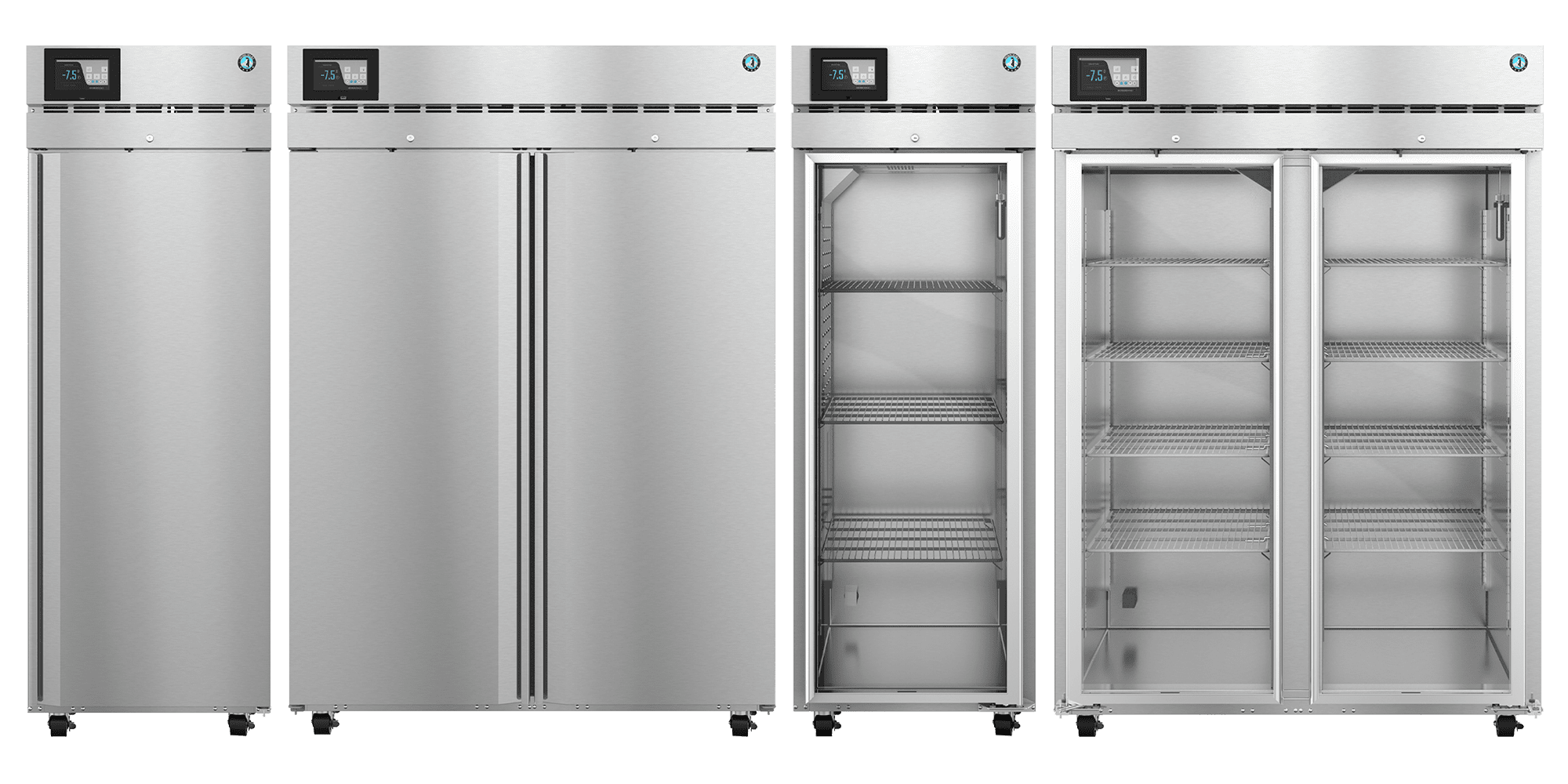
Picking the correct Hoshizaki ice maker matters - keeps patients comfortable, workers moving fast, and stops germs from spreading. Places like hospitals, clinics, rehab spots, or nursing homes need fresh, safe ice nonstop. It’s used so people can drink water, take meds easier, heal after surgery, feed folks meals, and even give staff a cool break now and then. Since Hoshizaki builds tough machines that make hygienic ice, lots of pros trust them when different hospital sections demand a steady supply. No-touch serving, closed-off parts, smarter cleaning steps - all these features keep things germ-free without slowing down busy medical settings.
Demand Profile
Patient fluid intake along with food choices
Patient areas usually need softer ice - like small cubes - that’s simpler to eat and kinder on healing bodies after surgery. Without needing to touch anything, these machines lower the chance of germs spreading while keeping up supply when demand spikes.
Nursing stations, along with treatment zones
Nursing teams use ice to mix meds, fill carts, and handle urgent cases, too. Machines in those zones need to keep running nonstop during shifts. Most places go for stackable cubers or tiny cube makers - hooked up to insulated bins - for steady flow.
Foodservice areas, cafeterias - also break spaces
Healthcare cafeterias often need tons of ice daily, particularly when crowds show up. When demand spikes, a high-output modular ice unit keeps things running without hiccups.
Good / Better / Best
Good: Undercounter units for small departments
Smaller medical spots, dentist offices, or niche units often need just 50 to 100 pounds of ice each day. Units tucked under counters churn out a steady supply while running quietly - perfect where space is tight, like clinic lounges or water refill zones.
Better: Touchless dispensers for infection control
Touchless ice dispensers are still the top pick on patient floors or nurse spots. Since they cut down germs, stop hand contact with ice, and also help control infections. Cubelet models from Hoshizaki make soft, chewable ice - great for keeping patients hydrated or meeting food needs. Check out what’s available in the dispenser line.
Best: High-capacity modular systems
Big hospitals or buildings with many levels often pick modular setups - they work better over time. When you hook them up with big containers, they keep running smoothly, especially when things get busy. One common powerful system might have:
• A Hoshizaki ice maker that fits cafeterias or kitchens - works on its own or hooks up to others; built tough for daily use where meals are served
• A small device that makes ice cubes for patients getting better in care zones
• A compact unit with a built-in dispenser - ideal for nurse check-ins or spots where guests hang out
This mix keeps ice stocked throughout the whole place while spreading out the load instead of relying on just one machine.
Space & Power
Layout design spread over several levels
Healthcare spots usually stack equipment across multiple floors - each needing its own space setup. Beneath counters, compact units work well at nursing desks, whereas build-it-yourself setups need extra room around them. Try the sizing tool to check both unit and container measurements prior to deciding.
Power plus water needs
Some gadgets need a 220-volt outlet or their own circuit line. Check if your current power panel works with them - don't skip this before setting up. Also, make sure the backup generator lines up electrically. Peek at the setup guide for clear steps.
Ventilation keeps things running without stopping
Ice makers give off warmth, yet tight spaces in hospitals might block airflow. Air-chilled models require space around them - otherwise, they struggle. Water-cooled ones handle heat better, though they sip more water. Good airflow keeps production steady while boosting longevity.
Water / Filtration
Good ice begins with fresh water
In healthcare, how clean the ice is matters for safety. Because it filters out gunk and bleach, machines stay safe from damage while ice looks clearer and tastes better. That’s key when patients need water or medicines mixed properly.
Choosing filters in healthcare settings
A multi-step filtering process cuts down lime buildup and germs, helping the machine last longer while keeping things cleaner. Shops can check different choices in the filter range to find a setup that fits their unit and local water type.
Infection control features
Motion-sensing release, closed containers, or built-in germ-fighting materials lower the chance of germs spreading. Such upgrades matter most where health rules must stay tight - like clinics or care centers.
Budget / Financing
Bought outright to last through years of medical use
Healthcare spots focusing on saving cash over time usually purchase gear up front. Because Hoshizaki units last a long while and hardly break down, going all-in at first pays off later down the road.
Funding for fresh sections or bigger spaces
Plenty of teams go for adjustable payment plans when setting up fresh units or upgrading spaces. Paying bit by bit keeps spending under control, plus it lines up gear throughout the whole site. Check out the Financing section if you want deeper info.
Fitting what's coming next
Healthcare gets busier as time goes by - growing patient numbers, bigger teams, and wider spaces. Picking a system just larger than today’s needs keeps supply steady while delaying future upgrades longer than expected.
See your short list and request a quote — start with our ice machines or ask us on our contact page.
Best Hoshizaki Ice Machines for Healthcare (Capacity, Footprint, Budget)
Intro
Choosing the right hoshizaki ice machine for healthcare is essential for patient comfort, staff efficiency, and infection control. Hospitals, clinics, rehabilitation centers, and long-term care facilities depend on clean, safe, and consistent ice production every day. Ice is used for hydration, medication support, post-surgery recovery, dietary services, and staff break areas. Hoshizaki, known for reliability and sanitary ice design, remains a leading choice for operators who need dependable healthcare ice machine performance across multiple departments. With touchless dispensing, sealed systems, and cleaner production cycles, Hoshizaki units help support strict facility hygiene standards while meeting the high capacity demands of clinical environments.
Demand Profile
Patient hydration and dietary use
Patient floors often require chewable or cubelet ice that is easier to consume and gentler for post-operative recovery. Touchless dispensers reduce contamination risk and ensure consistent availability during peak hours.
Nursing stations and clinical support areas
Nursing staff rely on ice for medication preparation, hydration carts, and emergency needs. Units serving these areas must provide steady output throughout the day. Facilities commonly choose modular cubers or cubelet machines paired with ice storage bins for reliable supply.
Foodservice, cafeteria, and break rooms
Healthcare cafeterias can consume hundreds of pounds of ice per day, especially during visitor rush periods. A large-capacity modular ice machine head ensures service continuity and reduces downtime.
Good / Better / Best
Good: Undercounter units for small departments
Small clinics, dental practices, and specialty departments may only require 50–100 lbs of daily ice. Compact units from the undercounter collection offer reliable production, quiet operation, and a small footprint ideal for offices or hydration stations.
Better: Touchless dispensers for infection control
Touchless ice dispensers remain the preferred choice for patient floors and nursing stations. They reduce contamination, prevent hands-in-ice risks, and support infection-control protocols. Hoshizaki’s cubelet dispensers provide chewable ice, which is ideal for patient hydration and dietary care. Explore options in the ice dispenser collection.
Best: High-capacity modular systems
For large hospitals and multi-floor facilities, modular systems offer the highest production and longest service life. Paired with large bins, these systems maintain a steady reserve even during high-demand shifts. A typical high-capacity setup may include:
- A Hoshizaki modular cuber for cafeteria and kitchen operations
- A cubelet machine for patient hydration and recovery areas
- A dispenser-integrated unit for nurse stations and visitor waiting rooms
This combination ensures ice availability across the entire facility without placing all demand on a single unit.
Space & Power
Footprint planning across multiple floors
Healthcare facilities often install machines on several levels, each requiring different footprints. Undercounter models fit nurse stations, while modular systems require more clearance. Use the size calculator to confirm machine and bin dimensions before final selection.
Electrical and utility requirements
Some machines require 220V or dedicated circuits. Before installation, confirm compatibility with existing electrical panels and backup generator systems. For guidance, refer to installation recommendations.
Ventilation for continuous operation
Ice machines generate heat, and hospital mechanical closets or alcoves can restrict airflow. Air-cooled units need proper spacing, while water-cooled units reduce heat but increase water use. Planning for ventilation helps maintain output and extend machine life.
Water / Filtration
Sanitary ice starts with clean water
In healthcare, ice quality is a safety issue. Filtration removes sediment and chlorine, protects evaporators, and improves clarity and taste. This is especially important for patient hydration and medication dilution.
Filter selection for health environments
Multi-stage filtration reduces scale and bacterial load, extending machine life and improving sanitary performance. Facilities can explore options in the water filter collection to match the correct filter setup to their model and water conditions.
Infection control features
Touchless dispensing, sealed bins, and internal antimicrobial components help reduce cross-contamination. These features are essential for any infection control ice standard in hospitals and medical buildings.
Budget / Financing
Outright purchase for long-term clinical reliability
Healthcare facilities that prioritize low lifetime cost often buy machines outright. Hoshizaki’s long service life and low failure rates make this option cost-effective across many years of use.
Financing for new wings and expansions
Many operators choose flexible financing for new departments or renovation projects. Spreading payments helps maintain budgets while standardizing equipment across a facility. More details are available at /pages/financing.
Sizing for future demand
Healthcare volume increases over time—more patients, more staff, and more floor expansions. Sizing slightly above current demand avoids shortages and prevents the need for additional units sooner than planned.
See your short list and request a quote — start with our ice machines or ask us on our contact page.
Featured Product
Recent Posts
Login and Registration Form