
Sign in
Best Hoshizaki Ice Machines for Hotels (Capacity, Footprint, Budget)
December 27, 2025
177
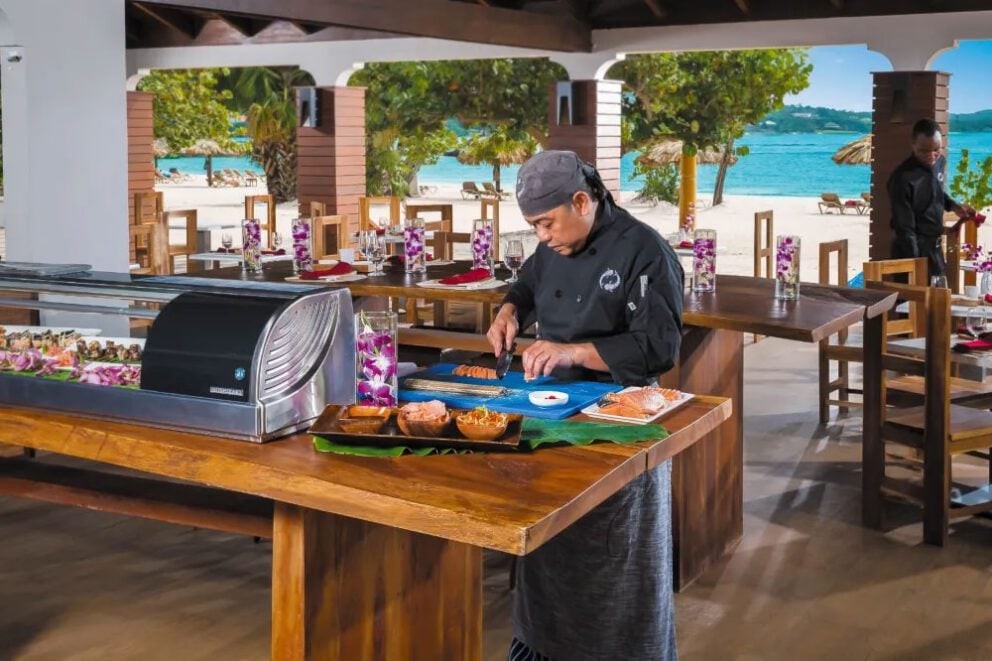
Selecting the right Hoshizaki ice machine shapes how guests feel, helps workers do their jobs faster, and cuts ongoing expenses. Hotels need steady ice output in many spots - floors where people stay, drink stations, cooking zones, event setups, plus quick-access fridges. Because Hoshizaki builds tough machines that use less power while making hygienic ice, lots of pros choose them for round-the-clock work. Pairing correct models means fewer breakdowns happen, visitors tend to enjoy their stay more, and keep things running smoothly behind the scenes.
Demand Profile
Guest floor consumption
Guest levels count a lot on automatic ice dispensers. Bigger places might have one machine on each level - or even several per level. On average, they use about 50 to 150 pounds daily per floor, though actual needs shift based on how full the rooms are and whether longer-term visitors keep ice in their fridge-freezers.
Food and drink handling
Hotel bars need steady ice flow, whereas banquet spots want big storage bins when events roll in. Instead of cubes, some kitchens go for flaky ice - to keep dishes safe and sharp-looking. Since each zone runs on its own, using individual units avoids logjams. Restaurants also depend on reliable output, so splitting systems makes sense.
Behind-the-scenes or unique activities
Some spots like room delivery, swim-up bars, or spa drink areas might require extra ice supply. Places running several serving points - or facing busy seasons - can keep things steady by using expandable setups or compact under-counter freezers.
Good / Better / Best
Good: Undercounter units for small outlets
Small hotel bars, plus staff lounges, benefit from compact units running smoothly day after day. These models slide into regular cutouts - simple setup, no fuss. Check out slim builds that make fresh ice while staying tucked away where guests don’t go.
Better: Modular heads with storage bins
Most hotels use box-style units hooked up to big containers. These setups pump out 300 to 900 pounds of ice daily while holding 300–700 pounds at a time - perfect for serving guests or hosting events. Check different modular ice machine options to match output and room size.
Best: Multi-station, high-volume configurations
• Big resorts, along with casinos or business-focused hotels, usually need setups with multiple units to handle their demands
• Guest-level ice machines on the floor
• Banquet service areas
• Bars or lounges
• Back-of-house kitchens
• Pool bars or pop-up spots when it’s warm
This top-level method keeps supplies steady while matching production to busy times or sudden demand spikes through smart timing instead of constant flow.
Space & Power
Footprint planning for guest floors
Hotels need fridges that match ice cubbies or snack corners. Lots go for models with inside scoopers - keeps hands off shared trays. Look at your floor plan, then confirm appliance sizes with the measurement tool.
Electrical compatibility
Older hotels need to check if their power matches what the machine needs. Big units might need a circuit just for themselves. Look at the setup tips for more info.
Ventilation plus temperature management
Ice makers give off warmth, so tight spaces without good airflow slow them down. Air-cooled ones require space around them to work right; on the flip side, water-cooled types release less heat yet use more water. Many hotels pick air-cooled systems to save power - still, fresh air moving through keeps ice coming steady.
Water / Filtration
Why filtration matters more in hotels
Besides running nonstop, hotels face big repairs from tiny mineral troubles. So filtering stops crusty deposits, shields inner parts - giving guests clearer ice. On top of that, fewer repair visits happen while output stays steady during busy seasons.
Selecting the right filtration system
Choose a filter that fits your area’s water and how much your machine can handle. In places with tough water, hotels need layered filters - this keeps ice makers safe on every floor plus any bar systems. Check out the water filter range to spot ones that work with your Hoshizaki unit.
Frost clarity affects how folks feel about their visit
Clean, solid ice might seem minor, yet it shapes how people feel about their drinks - particularly those in suites, ordering at bars, or attending events. Thanks to steady filtering, ice looks clearer, tastes cleaner, while smells stay away, boosting satisfaction without drawing attention.
Budget / Financing
Picking things that last over time
Besides using several ice spots, many hotels find buying units straight up saves more cash over time. Since Hoshizaki models tend to last longer and break down less, they fit how most lodgings run. Though setups differ, counting on solid gear helps avoid constant fixes.
Funding for big apartment complexes
Some hotels upgrade several devices together - or launch fresh locations - by using payment plans to manage expenses step by step. This way, they keep cash on hand when improving or growing. Check different possibilities under the Financing tab.
Planning for growth and peak seasons
Hotels that get way busier at certain times - like beach spots, college-area places, or big event venues - need washers built for their busiest days, not just regular ones. A bit larger capacity helps avoid running out, which keeps guests happy.
See your short list and request a quote — start with our ice machines or ask us on our contact page.
Best Hoshizaki Ice Machines for Hotels (Capacity, Footprint, Budget)
Intro
Selecting the right hoshizaki ice machine for hotels affects guest experience, staff efficiency, and long-term operating costs. Hotels require reliable, high-volume ice production across multiple areas—guest floors, bars, kitchens, banquet service, and grab-and-go coolers. Hoshizaki’s reputation for durability, energy efficiency, and clean ice production makes it one of the most trusted options in commercial ice equipment, especially for operations that run 24/7. With the right machine mix, hotels can reduce maintenance issues, improve guest satisfaction, and maintain strong operational reliability.
Demand Profile
Guest floor consumption
Guest floors rely heavily on self-serve ice machines. Large properties may need machines on every floor or multiple units per floor. Typical demand ranges from 50–150 lbs per floor per day, depending on occupancy and the presence of extended-stay guests who store ice in in-room freezers.
Food & beverage operations
Hotel bars, banquet rooms, meeting spaces, and restaurants all require consistent ice volume. Bars favor harder cubes, while banquet halls rely on large-capacity bins for large event prep. Kitchens may use flaked ice for food safety and presentation. Because these areas operate independently, separate machines prevent production bottlenecks.
Back-of-house and special programs
Room service, pool bars, and spa beverage stations may need additional ice sources. Hotels with multiple outlets or seasonal surges benefit from modular systems or undercounter backup units to maintain stable daily operations.
Good / Better / Best
Good: Undercounter units for small outlets
For small hotel bars, concierge pantries, or staff break rooms, undercounter machines provide quiet operation and reliable daily production. They fit standard counter openings and are easy to install. Explore undercounter options that deliver clean ice without occupying guest-accessible space.
Better: Modular heads with storage bins
Most hotels rely on modular machines paired with large bins. These systems can produce 300–900 lbs of ice per day and store 300–700 lbs at once, making them ideal for guest floors or banquet operations. Review available modular ice machine heads to find the right combination for your volume and space.
Best: Multi-station, high-volume configurations
Large resorts, casinos, and business hotels typically require multi-unit systems to support:
- Guest floor ice dispensers
- Banquet service rooms
- Bars and lounges
- Back-of-house kitchens
- Pool bars and seasonal outlets
This “best tier” approach ensures uninterrupted supply and aligns output with peak occupancy periods and event-driven surges.
Space & Power
Footprint planning for guest floors
Hotels must ensure units fit ice alcoves or vending nooks. Many properties select integrated machines with built-in dispensers to minimize guest contact with ice bins. Check your layout and verify machine dimensions using the size calculator.
Electrical compatibility
Hotels with older infrastructure should confirm voltage and amperage compatibility before purchasing. High-volume machines may require dedicated circuits. For guidelines, see installation recommendations.
Ventilation and heat control
Ice machines generate heat, and poorly ventilated closets or alcoves can reduce output. Air-cooled units need proper clearance, while water-cooled models reduce heat emissions but increase water usage. Hotels often choose air-cooled designs for energy savings in hotels, but proper airflow is essential for maintaining production.
Water / Filtration
Why filtration matters more in hotels
Because hotels operate continuously, even small mineral issues can turn into large-scale maintenance problems. Filtration prevents scale buildup, protects internal components, and ensures clean ice for guests. It also minimizes service calls and keeps production consistent across peak months.
Selecting the right filtration system
Match your filtration to local water conditions and machine capacity. Hotels in hard-water regions must use multi-stage filtration to protect evaporators across all guest floor ice machines and bar units. Visit the water filter collection to find options compatible with your Hoshizaki model.
Ice quality & guest satisfaction
Clean, hard ice is a small detail that significantly impacts guest experience—especially for suite-level guests, bar service, or banquet beverages. Consistent filtration ensures clear ice, better taste, and reduced odors, all of which improve overall impressions.
Budget / Financing
Purchasing for long-term stability
Because hotels rely on multiple ice stations, purchasing machines outright is often the best value long term. Hoshizaki machines are known for longevity and low failure rates, which aligns with hotel operational needs.
Financing for large multi-unit projects
Hotels replacing multiple machines at once or opening new properties can spread costs over time through financing. This approach preserves capital during renovations or expansions. Compare options at /pages/financing.
Planning for growth and peak seasons
Hotels with seasonal occupancy spikes—tourist resorts, university hotels, convention centers—should size machines for peak demand, not average occupancy. Slight oversizing prevents shortages and protects guest satisfaction.
See your short list and request a quote — start with our ice machines or ask us on our contact page.
Featured Product
Recent Posts



Login and Registration Form