
Sign in
Best Hoshizaki Ice Machines for Schools (Capacity, Footprint, Budget)
December 30, 2025
159
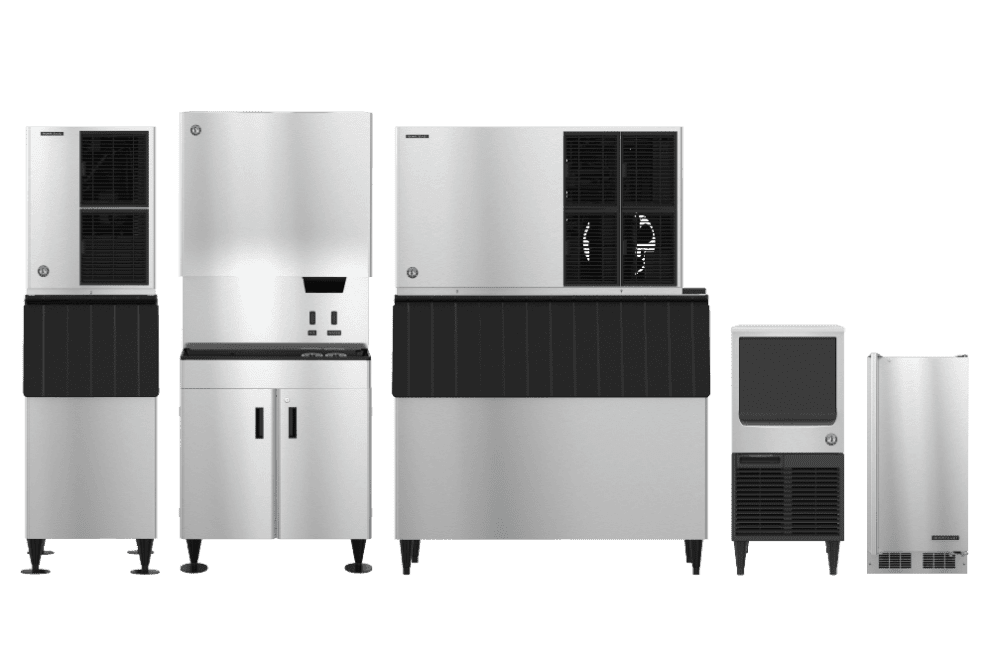
Picking a solid Hoshizaki ice maker matters - for school cafeterias, gym teams, staff break areas, even health offices. Ice gets used way more than folks think: lunch lines, snack bars, water spots, workout recovery zones, game-day prep - all need clean ice nonstop. These units don’t quit easily; they’re built tough, deliver crystal-clear cubes, which makes them popular in classrooms and hallways where breakdowns can't happen. Heavy-duty builds, strong output levels, smart power usage - it all adds up to fewer hiccups during busy days. Schools keep things running by choosing models that save money over time, without sacrificing what the building needs every single day.
Demand Profile
Cafeterias plus midday meals
A school lunchroom often feeds hundreds - now and then even thousands - in just a few hours, so churning out enough ice matters big time. Depending on how many meals they serve or drinks offered, most need anywhere from 300 to 700 pounds daily.
Athletics, but also workout spaces
Sports activities need ice to keep drinks cold, treat injuries, or help during events. Because flake ice fits snug against skin, it’s great for therapy and fills cooling pouches fast. Some schools use a big kitchen ice maker along with a smaller one nearby in the trainer’s area just to make things easier.
Staff rooms, workspaces, or gatherings
Smaller teams usually go for basic models that make less ice - perfect for break areas or small meetings. These slim units fit under counters, run quietly, yet keep up with everyday demand without fuss.
Good / Better / Best
Great: Compact fridges for break areas or tiny operations
Small schools or office spaces might use just 50 to 100 pounds of ice daily. These units slide neatly under counters, require little upkeep, yet run without much noise - ideal for break rooms or medical check areas.
Better: Modular heads with flexible storage
Most school cafeterias use modular ice makers - they handle big demand without costing too much. Use one of those standalone heads with a matching bin, so you’ve got plenty of ice at busy hours plus smooth output all day.
Top choice: systems with several spots, big power, fit huge sites
Folks running big school zones or several campus sites usually require heavy-duty setups. One solid plan might involve:
• A large-capacity ice maker that works in sections, built for drink areas in lunchrooms
• A flaker - also called a cubelet device - for sports areas plus workout spots
• A hands-free fountain for drinking spots or snack zones
This setup stops logjams while each team still gets their share of ice - no need to rely on just one unit.
Space & Power
Layout design for cramped service spaces
Schools usually sit in aging structures - room for gear or cooking zones is limited. Slim units fit neatly beneath counters, freeing up walking areas; however, stackable setups need smart layout moves near entry points, prep surfaces, or food handoff spots. Run the measurements through the sizing tool to double-check fits prior to locking in a pick.
Need power plus voltage specs
Some gadgets run on 220V - older buildings might lack this setup. Check your breaker box before buying; also, make sure you’ve got surge protectors hooked up. When updates are necessary, go over wiring needs right away so things don’t get held up.
Ventilation plus temperature control
Ice makers give off warmth, particularly in lunchrooms with hot ovens and heating trays close by. Good air movement matters a lot if you want full output. Units that use air require space around them; those using water handle heat better yet could raise bills.
Water / Filtration
How clean air helps kids learn better at school
Water quality might differ a lot from one area to another. Using filters keeps parts safe, cuts down buildup, yet gives you shiny, pure ice. That matters most for units in lunchrooms or water spots where flavor plus health matter.
Filter system recommendations
Big filters work well in lunchrooms feeding lots of kids each day. Schools might check different water filter types so the system fits their pipe flow and appliance dimensions.
Supporting long-term performance
Swapping filters often keeps performance steady while cutting down on scale. That means schools spend less on fixing or buying new gear later. Plus, sparkling ice makes drinks taste better, so kids are happier.
Budget / Financing
Picking things based on how much they’ll help you over time
Schools get reliable gear that hardly ever stops working. Because Hoshizaki units last so long, buying them outright saves money over time for plenty of school areas. With fewer repairs needed, daily routines stay on track more easily.
Financing for new builds or cafeteria upgrades
Folks fixing up schools or adding cafeterias might like paying bit by bit instead of all at once. Check out different pay-over-time choices online - pick how long you want to stretch it out. Payment amounts change based on what works for your crew.
Getting ready for more students showing up
Schools often see more kids signing up, especially in areas that are expanding. Picking equipment with a bit of extra power means it won't run short when usage spikes while also lasting longer before needing an upgrade.
See your short list and request a quote — start with our ice machines or ask us on our contact page.
Best Hoshizaki Ice Machines for Schools (Capacity, Footprint, Budget)
Intro
Choosing the right hoshizaki ice machine for schools is essential for cafeterias, sports programs, teacher lounges, and nurse stations. Schools rely on ice more than most people realize—lunch service, concession stands, hydration stations, athletic training rooms, and event setups all require steady, sanitary ice production. Hoshizaki, known for long-lasting performance and clear, reliable ice, is one of the top choices for educational facilities that need dependable ice machine for business operations without frequent service disruptions. With high volume production options, durable components, and efficient energy use, Hoshizaki machines help schools maintain smooth daily operations while controlling long-term operating costs.
Demand Profile
Cafeterias and lunch service
A typical school cafeteria serves hundreds, sometimes thousands, of students in a short window, making ice production capacity critical. Most cafeterias require 300–700 lbs of ice per day depending on meal counts and beverage programs.
Athletics and training rooms
Sports programs depend on ice for hydration coolers, injury treatment, and event support. Flaked or cubelet ice is preferred for athletic care because it molds easily to body surfaces and packs well into ice bags. Many schools pair a main cafeteria machine with an auxiliary unit in the training room for convenience.
Teacher lounges, offices, and events
Small departments need more modest ice output and often choose undercounter units for staff hydration and meeting rooms. Compact undercounter machines provide quiet operations and reliable daily production.
Good / Better / Best
Good: Undercounter units for staff rooms or small programs
Smaller schools or administrative offices may only need 50–100 lbs of ice per day. These compact models fit easily beneath counters, offer simple maintenance, and operate quietly—perfect for staff lounges or nurse stations.
Better: Modular heads with flexible storage
Most K–12 cafeterias rely on modular ice machines because they offer the best capacity-to-cost ratio. Pairing a modular head from the machine head collection with a dedicated storage bin ensures a large reserve of ice during peak lunch times while keeping production steady.
Best: Multi-station, high-capacity setups for large campuses
Large districts, charter campuses, and high schools with multiple service points need high-output systems. A comprehensive setup often includes:
- A high-volume modular cuber for cafeteria beverage service
- A flaker or cubelet machine for athletics and training rooms
- A touchless dispenser for hydration stations or vending areas
This arrangement prevents bottlenecks and ensures every department gets the ice it needs without depending on a single machine.
Space & Power
Footprint planning for tight back-of-house areas
Schools often operate in older buildings where equipment rooms and kitchen layouts are tight. Undercounter models maximize floor space, while modular systems require thoughtful planning around doorways, countertops, and serving lines. Use the size calculator to confirm exact dimensions before selecting a model.
Power and voltage requirements
Some machines require 220V circuits, which older campuses may not have. Before purchasing, confirm electrical panel compatibility and ensure surge protection is in place. If upgrades are needed, review installation requirements early to avoid delays.
Ventilation and heat management
Ice machines produce heat, especially in cafeterias where ovens and warmers operate nearby. Proper airflow is essential to maintain listed production. Air-cooled units need clearance, while water-cooled units reduce heat but may increase utility costs.
Water / Filtration
Why filtration matters in school environments
Water quality can vary widely across districts. Filtration helps protect machine components, reduce scale, and produce clear, clean ice. This is especially important for machines used in cafeterias or hydration stations where taste and safety are essential.
Filter system recommendations
High-capacity filters are recommended for cafeterias serving hundreds of students daily. Schools can explore filter options in the water filter collection to ensure the setup matches local water conditions and machine size.
Supporting long-term performance
Regular filter changes help maintain output, reduce mineral buildup, and extend equipment life. This saves districts money on repairs and replacement over time. Clear, clean ice also improves beverage taste and student satisfaction.
Budget / Financing
Purchasing for lifetime value
Schools benefit from long-lasting equipment with minimal downtime. Hoshizaki machines have industry-leading durability, making full purchase the most cost-effective option for many districts. Reduced service needs also help minimize operational interruptions.
Financing for new builds or cafeteria upgrades
Districts undergoing construction or foodservice expansions may prefer financing options to spread costs across the school year. Flexible plans are available at /pages/financing with multiple term lengths and monthly payment options.
Planning for enrollment growth
Schools frequently experience enrollment increases, particularly in growing districts. Choosing a machine with slightly more capacity than current demand prevents shortages during peak seasons and avoids premature replacement.
See your short list and request a quote — start with our ice machines or ask us on our contact page.
Featured Product
Recent Posts



My Account
Sign in or create an account to check out faster and track your orders.