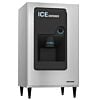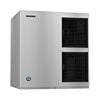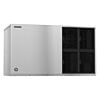
Two Hoshizaki undercounter clear cube ice makers shown for comparison: one with a sleek stainless steel door and one with a custom wood panel-ready door

Knowing how to stretch equipment lifespan makes sense - especially when it comes to caring for Hoshizaki units. Rather than just ticking off checklists, staying ahead with preventive maintenance turns into quiet savings over time. It shields your initial spend, cuts down surprise breakdowns, while keeping ice output steady across seasons. Instead of reacting later, small, consistent efforts now help avoid bigger issues down the line. Equipment runs smoother, downtime shrinks, yet demands stay met without drama. This kind of care isn’t flashy - but it sticks around like solid ground beneath feet.


With proper drainage plus steady voltage demands met, PM turns into a key move - especially when remote condenser setups are kept in good shape. This approach quietly boosts what an ice machine can deliver over time.


Pretending upkeep doesn’t matter? Think again. Small fixes early keep big breakdowns away. Machines last longer when cared for - no surprise there. A stitch in time saves wear and tear on vital parts

Mud-crusted buildup chokes airflow while skipped wipe-downs pile strain on machinery. Routine checkups ease pressure across chillers, fans, and valves - shoving breakdowns further into the future.


Regular maintenance runs cheaper compared to sudden fixes

Unexpected failures halt workflows - sparking unplanned overtime, rushed component deliveries, plus income loss. Routine maintenance sidesteps these costly halts by staying ahead of surprises.


Set up specifics stay secure via regular inspections

PM checks if drainage meets standards, while testing power supply consistency; both influence performance down the line. A distant condenser gets reviewed too, since its function ties back to correct installation patterns.


A steady freeze keeps your name intact

Clean setups, when equipped with solid filters and smart drainage, yield ice that's crisp and clean-tasting. That kind of reliability doesn't just help behind the scenes - it shows up in every glass a guest receives.


Swapping out water filters regularly keeps things running smoothly - less gunk, fewer blockages, steady ice output. Check what’s available over here, water filter collection.


Use gentle soaps alongside soft-bristle tools

These allow safe removal of scale and biofilm from evaporators, bins, and food-contact areas without damaging components.


Electrical and drainage testing tools

Workers check power levels with simple tools while making sure outflows move as they should - each detail matters when things must last.


A routine PM checklist keeps things on track - inspecting airflow here, assessing the condenser there, verifying sensors stay responsive. Cleaning gets done without skipping steps, grime doesn’t pile up, and buildup is cleared out before it causes trouble. Each stop follows the same flow, yet never feels robotic, just thorough.


Preventive Maintenance Process Step 1: Clean and inspect internal components

Evaporators slowly gather buildup, while distribution tubes face similar fates. Sumps clog quietly until maintenance steps in. Water lines? They harden with deposits like forgotten paths under snow. Cleaning every so often keeps ice output steady - no sudden drops when you least expect. Without care, freezing hiccups creep up, slow but certain.


Check how air moves through the unit - poor flow makes everything strain. Tech inspects fans, openings, and clearance; ensures nothing blocks them.


Step 3: Check that the electricity runs steadily. Voltage issues might harm compressors or fry circuitry. Pros test if power arrives clean, making sure wires stay tight.


Water flow issues can cause health risks plus system failures. Checking ahead keeps things running within guidelines.


Step 5: Inspect condenser and remote systems

With systems that have a separate condenser, routine maintenance involves verifying refrigerant pressure levels while also assessing how well fans are running, alongside inspecting the condition of connecting lines.


Ice bins, seals, and scoops get cleaned thoroughly - keeping everything up to code while protecting the ice's freshness. Each surface is treated carefully so contamination stays out of the picture. Clean gear means cleaner outcomes behind the scenes.


Monthly checkups are suggested. Inspect once a month. Wipe down surfaces gently. Run simple tests on key parts. Early problems show up this way. Spot trouble before it grows. Keep things running smoothly with brief upkeep. Basic wipe-downs make a difference. Quick looks prevent bigger fixes later.


A full round of seasonal upkeep wraps up with scale removal, swapping out filters, plus a close look at internal parts. This rhythm holds steady output while easing strain over time.


A yearly full check digs into cooling function, wiring health, how well the condenser runs, and flow through drains - keeping things steady as years pass. Each part gets reviewed, so nothing slips when time wears on.


Strange sounds or too much shaking might mean it's time for expert help

Strange noises usually point to a struggling compressor, uneven fan blades, or worn bearings - best tackled before things worsen.


Persistent low ice output

If cleaning fails to bring output back, something inside might be jammed or shorted.


Standing water or drain backups

Blocked pipes may lead to sudden stoppages, plus health hazards needing expert fixes.


Recurring fault messages tend to point toward deeper issues - maybe how it was set up, blocked air movement, or parts degrading over time.


Book service or set up PM: visit our service page or message us on our contact page.

Extending Machine Life: The Business Case for PM on Hoshizaki

Intro

Understanding extending machine life: the business case for PM on Hoshizaki is one of the smartest decisions any operator can make. Preventive maintenance (PM) is not just a technical task—it’s a financial strategy that protects your investment, prevents breakdowns, and ensures your Hoshizaki ice maker delivers consistent output year after year. When paired with proper drain requirements, correct voltage specs, and options like remote condenser setup, PM becomes a key part of efficient operation for any commercial ice machine.

Why It Matters

PM extends the life of every major component

Hoshizaki designs machines to last, but mineral buildup, dirty air filters, and poor ventilation reduce lifespan. PM keeps evaporators, pumps, motors, and compressors running without unnecessary stress, delaying expensive replacements.

Unplanned downtime is more expensive than scheduled service

Unexpected outages cost more than routine maintenance—lost sales, staff downtime, and emergency repair fees add up quickly. Staying ahead of issues avoids those profit interruptions.

Correct installation details protect the machine

PM includes checking drain requirements, ensuring electrical voltage specs are stable, and confirming a remote condenser setup is working correctly. These small details directly impact reliability.

Better ice quality boosts your reputation

Scale, poor drainage, and clogged filters hurt ice clarity and taste. Clean water and a well-maintained system produce better results for guests and customers.

Tools

Water filter replacements

Clean filtration reduces scale buildup and helps maintain consistent production. See available replacements at our water filters collection page.

Soft brushes and approved cleaners

These allow safe cleaning of the evaporator, bin, and food-contact surfaces without damaging components.

Electrical and drainage checks

Technicians use simple tools to confirm voltage stability and verify that drains are functioning correctly—both crucial for long-term reliability.

PM checklist

A structured list ensures nothing is missed: airflow inspection, condenser checks, sensor testing, sanitation, and scale removal.

Steps

1. Inspect and clean internal components

The evaporator, water lines, distribution tubes, and sump often accumulate scale. Regular cleaning keeps ice production strong and prevents freezing issues.

2. Check airflow and ventilation paths

Blocked vents force the machine to work harder, especially in tight spaces. PM ensures fans and airflow pathways remain unobstructed.

3. Verify voltage and electrical stability

Incorrect voltage specs harm compressors and control boards. A technician confirms stable power and tight electrical connections.

4. Confirm drain performance

Backups or slow drains create sanitation issues and cause machine shutdowns. PM ensures drainage meets proper drain requirements.

5. Review condenser and remote setups

If using a remote condenser setup, technicians verify refrigerant pressures, fan operation, and line integrity.

6. Sanitize all food-contact surfaces

Bins, gaskets, and scoops require routine sanitizing to maintain health compliance and ice quality.

Frequency

Monthly inspections

Light cleaning, basic checks, and quick sanitation help prevent preventable issues between major service intervals.

Quarterly preventive maintenance

A full PM cycle—including scale removal, filter changes, and component checks—keeps performance stable and reduces long-term stress on the machine.

Annual deep service

A thorough evaluation of the entire refrigeration system, electrical connections, condenser performance, and drainage ensures the equipment remains reliable for years.

When to Call Service

Unusual noises or vibration

This may point to compressor strain, fan issues, or failing bearings—all problems best handled early.

Consistent low ice production

If performance drops even after cleaning, deeper mechanical or electrical issues may be present.

Drain backups or standing water

This can cause shutdowns and mold concerns that require professional correction.

Repeated error codes

Persistent warnings from the control board signal underlying mechanical or installation issues that need expert attention.


See your short list and request a quote — start with our ice machines or ask us on our contact page.