
Sign in
Square-Cube Ice: When to Choose Hoshizaki IM-Series Machines
December 18, 2025
161

Quick answer: Choose a Hoshizaki IM-series square-cube machine when a consistent square cube supports the beverage presentation and the exact model fits measured demand, storage, condenser type, electrical service, water, drainage, ventilation, space, and maintenance requirements. Compare the complete system using verified model-specific documents rather than assuming every square-cube machine has the same output or installation needs.
What Hoshizaki square-cube ice is
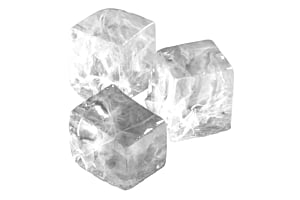
Hoshizaki IM-series equipment produces a defined cube form intended for beverage presentation. Cube dimensions and production method are model-specific. Confirm the exact ice description and cube size in current manufacturer literature instead of relying on a generic “craft ice” label.
Appearance and dilution depend on more than shape. Water quality, drink temperature, glass, cube size, ice quantity, storage, handling, and service time all affect the result. Avoid claiming that every square cube is crystal clear or always melts more slowly than every alternative unless a controlled comparison supports it.
When square-cube ice may fit
Square-cube equipment can be a good candidate for cocktail bars, lounges, hotels, restaurants, tasting rooms, cafés, or other operations where a consistent cube contributes to presentation. It may also help a beverage program standardize the visual portion placed in each glass.
Choose it because the actual cube and equipment fit the menu—not because “premium” automatically means better. High-volume fountain service, chewable-ice demand, food displays, or process cooling may favor another ice form.
Compare square cubes with other ice types
Square cube versus crescent ice
Crescent ice is a hard, curved cube used broadly for beverage service. Square-cube ice offers a different visual form. Compare the actual cube dimensions, production, storage, cup displacement, handling, and equipment requirements for the models under consideration.
Square cube versus cubelet ice
Cubelet ice is smaller and chewable and creates a different customer experience. Square cubes are hard and presentation-oriented. A customer preference for chewable ice should not be addressed with an IM-series machine merely because both products serve beverages.
Square cube versus flake ice
Flake ice is soft and moldable and is often considered for displays, preparation, or process applications. Square cubes are more naturally associated with individual beverage presentation. Follow the requirements of the exact use.
Review our guides to crescent ice, cubelet ice, and flake ice.
Test the cube in the actual beverage program
Before selecting equipment, place the proposed cube in representative glasses and recipes. Evaluate cube count, displacement, appearance, drink temperature, service time, customer preference, and how bartenders handle the ice. A cube that looks appropriate in one glass may not fit another menu or dispensing process.
Document the number of cubes normally used per drink and the busiest 15-, 30-, and 60-minute service periods. Include daily demand, waste, transfers, employee use, seasonal changes, and projected growth. Real measurements are more reliable than generic pounds-per-seat or pounds-per-drink rules.
Read production ratings correctly
Compare the exact IM model’s production at the manufacturer’s stated air- and water-temperature conditions. The largest lb/day number is not guaranteed output in every installation. Ambient temperature, incoming-water temperature, ventilation, water quality, condenser condition, mineral scale, maintenance, and installation can change real production.
Use what affects commercial ice output when turning a published rating into a capacity plan.
Match production with storage
Production replenishes ice over time; storage carries reserve through peak service. A machine can produce enough ice over 24 hours and still run short during a rush. A large bin cannot solve a full-day production deficit.
Confirm whether the exact IM model is self-contained or requires a compatible bin. Verify application capacity, adapters, overall height, door swing, scoop access, sanitation features, and service clearances. Do not assume that every IM-series model has the same storage arrangement.
Choose the condenser type for the site
Air-cooled equipment rejects heat into the surrounding area and needs its stated airflow and clearance. Water-cooled equipment uses condenser water in addition to potable ice-making water and may add plumbing, water, and sewer expense. Remote-cooled equipment requires compatible remote components and model-specific line, elevation, distance, electrical, and installation details.
Use the full model number and documentation. Never copy production, utilities, dimensions, or installation wording from another condenser version.
Installation requirements to verify
- Voltage, frequency, phase, circuit protection, and plug or hardwire method.
- Potable-water connection, pressure, temperature, flow, and treatment needs.
- Condenser-water requirements where applicable.
- Machine and bin drains, gravity routing, air gaps, and pump options.
- Cabinet dimensions, clearances, ventilation, doors, and service panels.
- Heat rejection and the room’s ability to manage it.
- Counter, stand, or floor support for equipment and stored ice.
- Delivery-path dimensions, shipping weight, and handling.
Use the exact specification sheet and installation manual with qualified trades. Review the Hoshizaki installation checklist before delivery.
Water quality and cube appearance
Incoming water can affect taste, odor, mineral scale, maintenance, and appearance. Water treatment should be selected from testing, required flow, equipment capacity, and manufacturer guidance. Standard filtration does not automatically remove hardness or guarantee transparent ice.
Do not promise a particular clarity result without testing the local water and exact equipment. Maintain water-treatment records and inspect changes in cube shape, surface, release, taste, odor, and production.
Cleaning, sanitation, and handling
Ice is food. Follow the exact model’s cleaning and sanitizing instructions, applicable requirements, and site conditions. Water chemistry, airborne grease, dust, yeast, usage, and the environment can change inspection and cleaning needs.
Provide dedicated food-safe handling tools and storage procedures. Keep hands, glassware, bottles, and non-approved utensils out of the bin. Record cleaning, sanitation, filter changes, service findings, and performance observations.
Questions to answer before choosing an IM-series machine
- Does the actual cube fit the glasses, recipes, and desired presentation?
- How many cubes are used during peak service and over a full day?
- Which exact model provides realistic production and sufficient reserve storage?
- Is the system self-contained, or which bin and adapter are approved?
- Which condenser type fits utilities, heat rejection, and local restrictions?
- Can the site meet the electrical, water, drain, clearance, and ventilation requirements?
- How will water quality, cleaning, sanitation, and service be managed?
Common selection mistakes
- Using unsupported pounds-per-drink or pounds-per-seat formulas.
- Promising universal clarity or melt performance.
- Choosing from appearance without testing the actual glass and recipe.
- Confusing daily production with storage.
- Assuming every IM model is self-contained or uses the same cube size.
- Copying specifications from a similar model or condenser version.
- Ignoring drains, heat rejection, water treatment, or service access.
Frequently asked questions
Does every Hoshizaki IM machine make the same square cube?
No. Verify the exact ice description, dimensions, and production data for the model being considered.
Is square-cube ice always clear?
No universal result should be promised. Equipment design, water, operation, storage, and viewing conditions affect appearance.
Does square ice always melt more slowly?
Melt and dilution depend on cube mass and surface area, beverage and room temperature, glass, agitation, and time. Compare the actual cube in the intended drink.
Can any bin be paired with an IM-series head?
No. Confirm manufacturer-approved compatibility and any required adapter or top kit for the exact models.
Bottom line
Choose a Hoshizaki IM-series square-cube machine when the actual cube supports the beverage program and the complete system fits measured demand, storage, utilities, space, water, sanitation, and service needs. Model-specific evidence and an in-glass test are more reliable than broad “craft ice” claims.
Is square-cube ice right for your beverage program? Browse our Hoshizaki ice machines and contact our team to compare the exact IM-series machine, storage, accessories, and installation requirements for your site.
Featured Product
Recent Posts




My Account
Sign in or create an account to check out faster and track your orders.