
Sign in
Best Hoshizaki Ice Machines for Assisted Living (Capacity, Footprint, Budget)
January 11, 2026
104
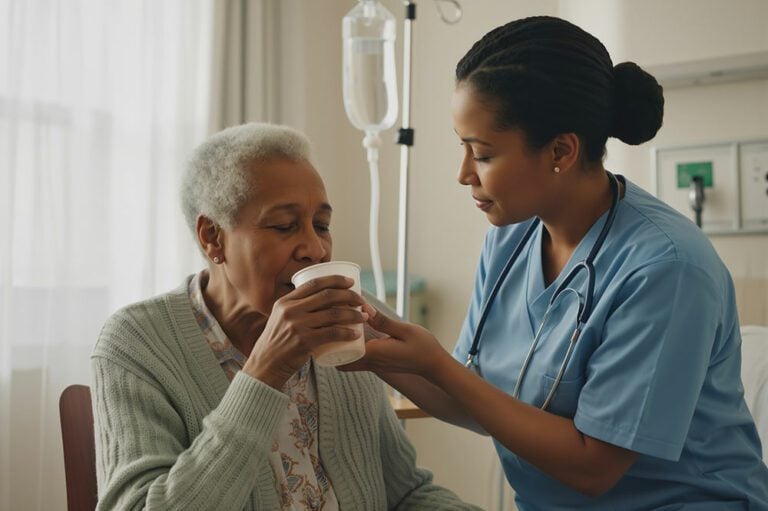
Picking a good Hoshizaki ice maker matters a lot in senior homes - keeps residents hydrated, helps serve meals smoothly, aids in prepping meds, and keeps staff routines running without hiccups. These places need tough, clean machines that work nonstop but don't act up often. Whether it's near food areas or nursing desks, having a steady ice flow boosts both patient care and how well things run day to day.
Folks in care homes need ice at the same times every day - no surprises. These spots call for units that are hassle-free to reach, run without noise, yet tough enough to last. Instead of guessing, use this walkthrough to size up space needs, electrical setup, output levels, plus filter types - all so picking a model feels less like luck.
Demand Profile
Resident hydration and daily beverages
Ice keeps flowing for drinking water, fruit juices, meal replacements, or blended drinks available in eating areas, rest zones, or common refill spots. Having a steady ice supply means guests always get chilled drinks while reducing pressure on care workers.
Nutrition care, along with health check-ups
Dietary crews need steady ice flow to handle special meals, chill food, or get meds ready. When mealtimes hit, pressure spikes - so units should match peak stress instead of typical loads.
Team zones or shared spots
Nurse desks, therapy areas, or common service spots work better with compact units close by. When a building has many sections, having more than one unit helps staff reach them faster - cutting down on walking time across halls.
Good / Better / Best
Good: Undercounter machines for hydration stations
Fits right below countertops - great for break rooms or behind-the-scenes spots needing a steady ice supply. Churns out 50 to 100 pounds every day without fuss. Slips into tight spaces but still keeps up when demand ticks up. Peek at what’s available in the slim-profile ice makers lineup.
Better: Machines you can mix and match for kitchens or dining spots
Mid-size care homes usually go for compact units, making around 300 to 500 pounds daily. With a proper ice bin hooked up, these keep things running smoothly at lunch or busy hours. Check out the available options in the modular unit lineup.
Best: Multi-machine layouts for large facilities
Larger care homes usually run on several devices to cover various spots smoothly. An even arrangement might involve:
• Big food prep area: Machine that makes over 600 pounds each day, works fast - handles heavy loads without slowing down
• Resident wings: Compact models that fit below counters or work as standalone dispensers
• Nursing or rehab zones: Simple-to-use dispensers within easy reach
Space & Power
Finding the right size
Service spaces in care homes usually feel tight, more so in outdated or remodeled structures. Check dimensions - width, depth, height - to dodge fitting problems later. Use the Size Calculator to guess what gear you’ll need ahead of setup.
Ventilation, plus how air moves matter a lot
Air-cooled Hoshizaki units need good air movement to work well - without enough space around them, performance drops while power use goes up. So check the exact venting rules for your model.
Electrical compatibility
Most undercounter units run on regular 115V outlets, whereas modular ones usually need 208–230V setups. To avoid setup hiccups, check what voltage is available before starting. See the setup manual for specifics.
Remote condenser options
Putting machines close to homes can cause issues, so outdoor condensers lower sound levels. By setting the unit far from rooms where people spend time, it stays quieter inside. Heat output drops when the system’s moved outside, making nearby areas more pleasant. Less noise means fewer disturbances during daily life.
Water / Filtration
Filtration for equipment protection
Clean water means better ice, plus machines last longer. When facilities run nonstop, filters help prevent gunk inside units and result in fewer repair headaches.
Managing mineral buildup
Hard water might damage machines faster, while also lowering their efficiency. Good filters keep ice output steady, yet cut repair bills in the long run.
Hygienic dispensing solutions
Folks who live there usually do better with drink stations that work like dispensers. Since they touch less stuff, it’s cleaner - so people stay healthier when grabbing a sip.
Budget / Financing
Thinking ahead to stay dependable over time
Some care homes buy gear themselves to keep expenses steady. Getting tough models early means fewer surprise fixes or stoppages.
Financing multi-unit upgrades
Folks updating several machines together might like financing. It breaks up expenses, so upgrades won't mess with daily spending. Check it out on our financing page.
Avoiding undersized equipment
Picking a unit that's undersized usually causes gaps when things get busy. Getting the right fit for needs keeps performance steady while easing pressure on workers.
See your short list and request a quote — start with our ice machines or ask us on our contact page.
Best Hoshizaki Ice Machines for Assisted Living (Capacity, Footprint, Budget)
Intro
Choosing the right hoshizaki ice machine for assisted living is essential for resident hydration, dietary needs, medication preparation, and staff convenience. Assisted living facilities depend on reliable, sanitary, and easy-to-maintain commercial ice equipment to support residents throughout the day. This guide breaks down the capacity, space planning, voltage requirements, and filtration considerations so facility managers can make a confident, long-term equipment decision.
Demand Profile
Resident hydration and daily drinks
Assisted living residents often require constant hydration support. Ice is used for water, juices, smoothies, and other beverages served throughout the day across multiple dining or lounge areas. A dependable commercial ice machine ensures steady supply without service interruptions.
Nutrition and medical prep
Dietary staff rely on consistent ice access for therapeutic diets, chill pans, and medication prep. Ice output can fluctuate heavily during meal service, so sizing for peak periods is essential.
Common areas and staff stations
Nurses’ stations, rehab rooms, and shared hydration spots all benefit from smaller-format machines or countertop dispensers. Facilities with multiple wings may require several strategically placed units to maintain accessibility and safety.
Good / Better / Best
Good: Undercounter options for hydration stations
Smaller hydration areas and staff-only prep stations work well with compact undercounter machines producing 50–100 lbs of ice daily. These units stay out of the way while offering dependable performance. Explore options in the undercounter collection.
Better: Modular machines for kitchens and main dining rooms
Mid-size facilities often choose modular machines producing 300–500 lbs/day. Pairing these with a suitable ice storage bin ensures high-traffic areas never run short during mealtime rushes. Browse options in the modular machine collection.
Best: Multiple machines for multi-wing facilities
Larger assisted living centers often require a multi-machine setup, especially when serving hundreds of residents. A “best case” configuration includes:
- Main dietary kitchen: High-capacity machine producing 600+ lbs/day
- Each wing: Small undercounter or dispenser unit
- Rehab / nursing stations: Touch-friendly dispensers for quick access
Space & Power
Measuring for proper fit
Assisted living facilities often have tight service areas, especially in retrofitted kitchens or hydration stations. Measure width, depth, and height carefully to avoid clearance issues. Use the size calculator if you need help estimating your space constraints.
Air-cooled clearance requirements
Hoshizaki air-cooled machines need proper ventilation to operate efficiently. Without enough clearance, heat builds up and ice production slows. Ensure there is adequate airflow behind, above, and around the unit based on model specifications.
Voltage specs and electrical compatibility
Some undercounter machines operate on standard 115V, while larger modular units commonly require 208–230V. Confirming voltage specs before installation helps avoid delays. You can review installation guidance at /pages/installation.
Remote condenser setups for quiet operation
If noise is a concern—especially near resident areas—a remote condenser setup may be ideal. With the condenser placed outdoors or away from living spaces, the indoor area stays quieter and more comfortable. This setup is common in facilities prioritizing resident peace and accessibility.
Water / Filtration
Filtration for long equipment life
Clean water leads to better-tasting ice and reduces maintenance issues. Good filtration minimizes scale buildup and protects your investment. Given the continuous use in assisted living facilities, filtration is not optional—it’s essential.
Reducing scale and mineral buildup
Minerals in water can shorten the life of a machine and require costly repairs. High-quality filters help reduce scale and maintain consistent cube quality. Regular replacement schedules prevent unexpected downtime.
Touch-friendly dispensing for hygiene
While many assisted living facilities prefer scoop-fed bins in kitchens, front-of-house or resident-facing stations benefit from dispensers. They reduce contamination risks and limit handling, supporting safer hydration practices.
Budget / Financing
Purchasing for long-term stability
Many assisted living facilities prefer purchasing outright to control long-term costs and ensure equipment reliability. Choosing a well-built machine up front minimizes emergency repairs and unexpected downtime.
Financing options for multi-unit upgrades
Large facilities replacing several machines at once benefit from financing. This approach spreads costs over time and allows for modernization without disrupting cash flow. Explore flexible options on our financing page.
Selecting the right machine for demand
Avoid undersizing—especially in dining areas or hydration stations. Picking a machine with higher capacity ensures reliability during peak times and reduces strain on staff.
See your short list and request a quote — start with our ice machines or ask us on our contact page.
Featured Product
Recent Posts



Login and Registration Form