
Sign in
Best Hoshizaki Ice Machines for Food Trucks (Capacity, Footprint, Budget)
January 14, 2026
61
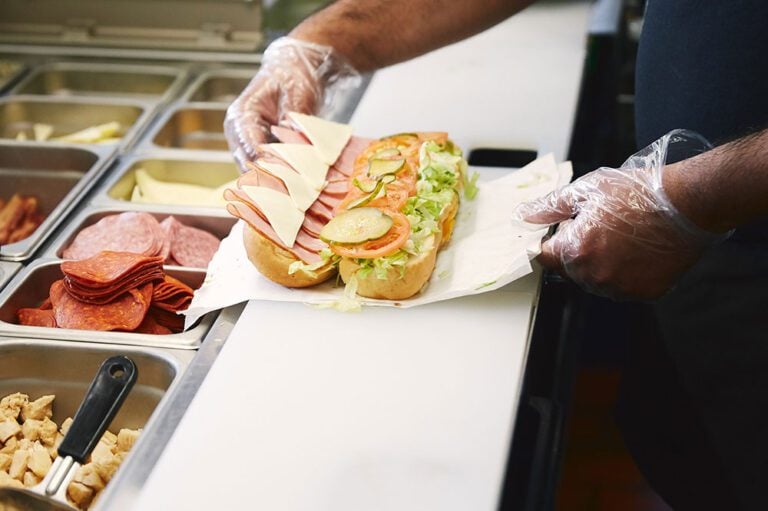
Folks running food trucks need reliable gear when space’s limited and temps are soaring. Compact size matters - so does low energy draw, especially under heavy loads. Machines that make ice nonstop help avoid slowdowns at peak hours. When drinks stay cold thanks to a steady supply, customers get served faster. That kind of reliability? It adds up in earnings by day's end.
On the move, room’s tight - so size, performance, and energy use matter most for a food truck's ice maker. If your spot slings smoothies, cold brew, lemonade, or frozen mixes, picking the correct Hoshizaki unit keeps expenses down when rush hits.
Demand Areas
Peak service windows
Food trucks get slammed fast, then it’s over just as quickly. When the crowd hits, ice makers need to bounce back right away - otherwise, they’ll run dry at peak times. A lot of these on-the-go setups care more about constant output instead of huge tanks.
Menu-driven ice usage
Drink-heavy rigs need way more ice compared to those serving just eats. Blended drinks, bubble tea, or smooth mixes require steady crushing, whereas cold brews and lemonades depend on a solid flow of cubes.
Save power when using engines that make electricity
Most trucks run using generators or basic power connections. Picking a budget-friendly Hoshizaki model, maybe one with an Energy Star rating, cuts down gas needs while avoiding system strain. Instead of high-draw units, these chillers keep things stable without guzzling resources.
Machine Types
Undercounter machines
Undercounter fridges show up everywhere in mobile eateries because they don’t take up much room. These models slide right under worktops, handling everyday tasks smoothly. They’re built to last through constant use at smoothie spots or espresso carts. Even small cooking setups find them practical and straightforward.
Compact modular setups
Larger concession trailers can fit compact bins together with small modular heads. Yet these configurations boost output each day without getting hard to handle in bigger mobile kitchens. The ice storage bin range offers various ways to keep things stored.
High-efficiency builds
Smoothie trucks handle big orders better with fridges that make steady ice without draining power. They keep running strong, so the generator doesn’t work too hard.
Space & Power
Fitting into cramped spaces
Food trucks often have tight aisles or low ceilings. So checking height, depth, and walkways makes sure the equipment slides in smoothly. That way, staff can move freely while working. The Size Calculator lets you check space needs side by side - no guesswork when buying.
Electrical limitations
Most compact units run on 115 volts, which works well when you're moving around. Bigger models might need more power - check if your generator can handle it. You’ll find wiring info in the setup manual.
Heat and airflow
Fewer ice cubes form in hot truck cabins when air can't move freely. So, keep space open near exhausts - this keeps output steady through busy shifts.
Vibration control
Mobile setups shake in ways kitchen counters never do. So, make sure it’s level - this keeps parts safe while boosting durability.
Water & Filtration
Variable water sources
Food trucks tap into local water sources, which change from place to place. Since that water isn't always the same, filters help guard the machine parts - also making sure ice stays fresh-tasting. Instead of relying on perfect supply lines, these systems use built-in screening to handle shifts in what flows through them. So even when input varies, output remains crisp and clear.
Proper filtration setup
With sediment plus charcoal filters, ice turns out cleaner while minerals don’t pile up inside. That matters a lot for trucks or units topping off water often.
Scale prevention
Warmth, motion, or shifting water traits can boost scale chance. Swap filters often - this helps avoid buildup that slows things down.
Budget
Purchasing with future needs in mind
Some food truck owners buy gear straight up to avoid surprise expenses. Hoshizaki units last a long time, so they tend to pay off over the years. Instead of leasing, many go this route just to stay steady.
Financing options
New builds or expansions usually get help from funding to cut first-time expenses. Since options are adjustable, owners can set up stronger systems while still opening on time. Check it out at financing page.
Planning for growth
If drinks bring in the biggest numbers, going for a bigger model means fewer top-ups plus smoother runs at busy gatherings or outdoor parties.
See your short list and request a quote — start with our ice machines or ask us on our contact page.
Best Hoshizaki Ice Machines for Food Trucks (Capacity, Footprint, Budget)
Intro
Choosing the right hoshizaki ice machine for food trucks is essential for operators who need consistent production, low energy use, and compact sizing. Food trucks run in tight, high-heat environments, and every inch of space matters. With Hoshizaki’s reputation for reliability and efficiency, you can keep beverages cold, prep stations running, and customers satisfied—while controlling utilities and extending the life of your equipment. Whether you serve iced coffees, smoothies, lemonades, cocktails, or specialty drinks, a dependable ice machine directly affects service speed, quality, and overall profit margins.
Demand Profile
Peak-hour surges
Food trucks experience short, intense rush periods. A machine must recover quickly and produce enough ice to survive those spikes. Most trucks need between 80–250 lbs of daily output depending on their drink menu.
Menu-specific ice needs
Smoothie trucks require more ice than coffee-focused trucks. Lemonade stands use mid-size cubes, while shaved ice or blended drinks require smaller, easy-to-crush ice. Matching your ice type to your drink list prevents bottlenecks.
Energy efficiency on the road
Portable operations must reduce operating cost wherever possible. Choosing an Energy Star Hoshizaki model or a low energy ice maker ensures lower power draw and less strain on generators.
Good / Better / Best
Good: Compact undercounter units
Undercounter machines are the top choice for food trucks due to their small footprint and easy placement. Units in the undercounter collection offer reliable production in tight spaces and typically fit beneath prep tables or next to service stations. These are ideal for juice stands, taco trucks, coffee trailers, and compact lunch concepts.
Better: Modular heads paired with small bins
Some larger food trucks with wider kitchens or concession trailers may opt for modular heads mounted on compact bins. These allow higher production (300–500 lbs/day) while still fitting inside larger mobile kitchens. Pair with storage from the ice storage bin collection for flexible capacity.
Best: High-efficiency, low-energy builds
For high-volume smoothie trucks or operations selling crushed-ice drinks all day, energy-efficient modular cubers provide best-in-class output and longevity. This setup maximizes ice availability while minimizing generator fuel use and electrical strain.
Space & Power
Fitting equipment around small interiors
Food trucks have narrow walkways, limited vertical clearance, and tight equipment placement. Always measure height, depth, and door clearance before choosing a model. If you’re unsure which unit fits, the size calculator helps compare footprint options.
Electrical requirements
Food trucks often run on generators with limited amperage. Many undercounter machines operate on 115V, making them ideal for mobile setups. Modular machines may require 208–230V, so verify your power supply before installing. You can also review complete electrical specs in the installation guide.
Heat load and airflow
Truck environments trap heat, especially near cooking equipment. Air-cooled machines need proper airflow to maintain full production. Choose a unit that handles high ambient temperatures and allows enough ventilation space around the intake and discharge panels.
Vibration considerations
Since food trucks move frequently, secure installation prevents vibration damage. Always mount machines on level surfaces and ensure proper stabilizing hardware is installed.
Water / Filtration
Managing water quality on the road
Water sources vary from venue to venue, which makes filtration even more important for food trucks. Without proper filtration, minerals can accumulate quickly, reducing ice clarity and machine lifespan.
Choosing the right filtration setup
Depending on your location, a sediment filter plus a carbon block filter may be required for best results. This ensures ice stays clean and free from off-tastes, helping maintain beverage quality. Explore filtration options in the dispensers & filtration section.
Preventing scale buildup
Frequent transport, inconsistent water sources, and high heat levels increase scaling risk. Regular filter changes and periodic descaling keep your machine running at peak output.
Budget / Financing
Purchasing outright for lowest long-term cost
Food trucks with stable demand often buy equipment upfront to maintain predictable costs. Hoshizaki models offer long life and low maintenance needs, making them strong investments for long-term operations.
Financing for new builds or expansions
Operators launching a new truck or upgrading their buildout commonly rely on financing. Flexible terms help you acquire a higher-capacity machine without large upfront costs. Learn more at our financing page.
Scaling production for growth
If your truck sells cold drinks as the main revenue source—smoothies, milk teas, iced coffee—size up your machine slightly. A larger machine reduces refills, minimizes downtime, and ensures consistent service across long event days.
See your short list and request a quote — start with our ice machines or ask us on our contact page.
Featured Product
Recent Posts


My Account
Sign in or create an account to check out faster and track your orders.