
Sign in
Best Hoshizaki Ice Machines for Airports (Capacity, Footprint, Budget)
January 13, 2026
75
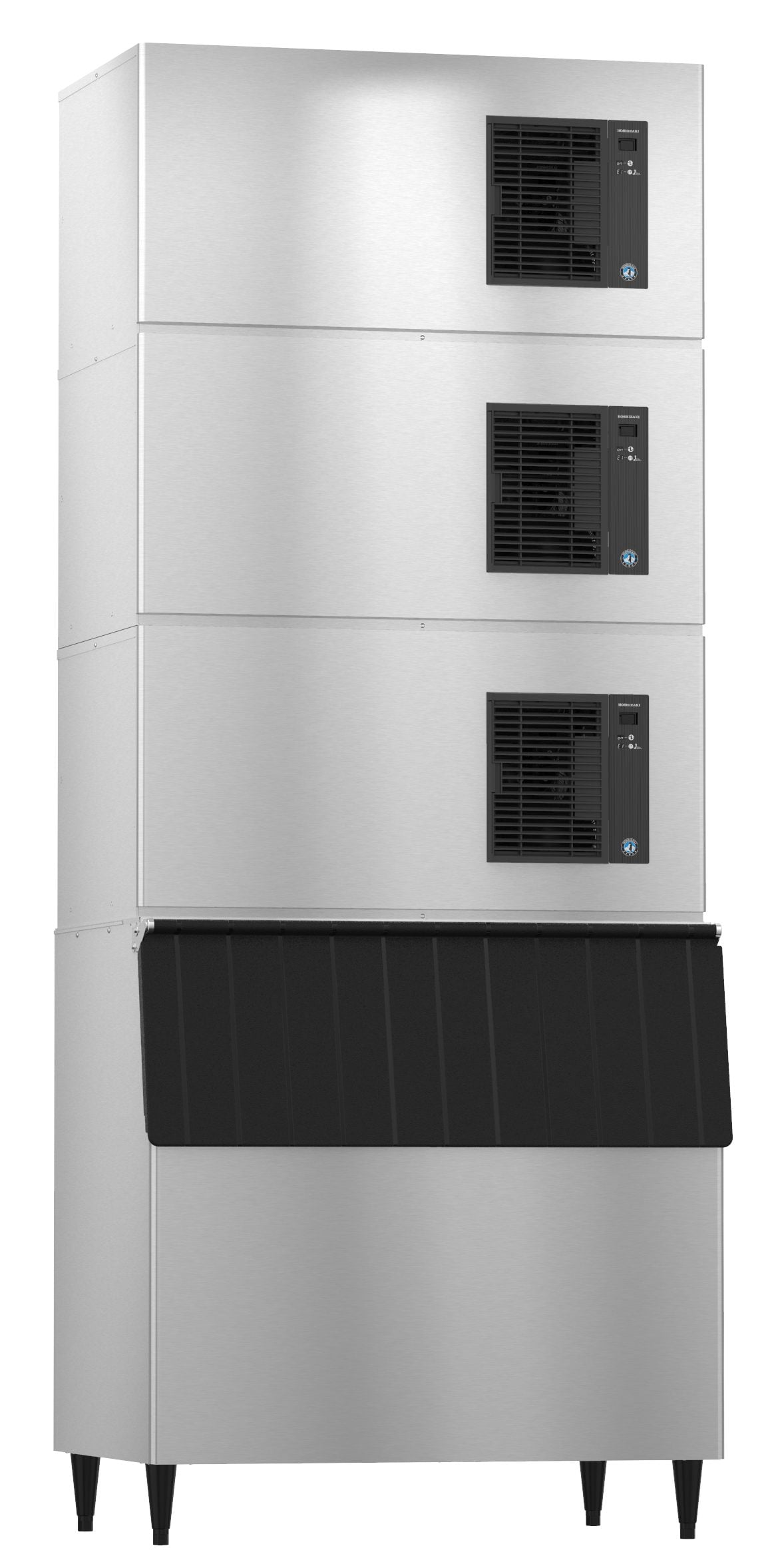
Knowing what a Hoshizaki ice maker can do matters when handling airport food spots, waiting areas, quick stands, or worker water breaks during hectic terminal days. Since flights run nonstop, so must the systems - sudden rushes pop up thanks to holdups or rush hours. Picking the correct heavy-duty unit means steady output, low noise, and lasting strength where crowds never slow down.
Airport ice makers need to fit space limits while making enough supply. Since they serve drink spots, fish displays, OR water areas, picking the right model and size avoids running out mid-day. Here’s a look at where airfield ice goes, HOW to choose proper Hoshizaki units, WHERE to set them up, AND ways to keep them working smoothly.
Demand Areas
Food courts, but also bars or lounges
Bars, eateries, or flight lounges use tons of ice daily for drinks. When flights stall or boardings pile up, needs spike fast - so units must bounce back quickly while keeping the flow smooth.
Fish stalls mixed with cool veggie stands
Some terminals run seafood sections or cold food showcases. Because these spots need steady cooling, they use flake ice made by units like the Hoshizaki flaker or F Series model. This kind of ice stays soft and shape-friendly, helping keep items fresh while looking good on display.
Team water breaks + behind-the-scenes spots
Crews from airlines, along with repair workers and shop employees, need a steady ice supply. Small units built into counters usually go in service zones - keeps drinks cool without taking up customer areas.
Machine Types
Undercounter machines
For spots like snack counters or office break rooms, models making 50 to 100 pounds daily work just right. Since they take up little space but run smoothly and quietly, airports can fit them even in narrow zones. Check what’s available in the under-sink line.
Modular cubers
Folks running food courts or hangout spots usually go for flexible machines that churn out between 300 and 600 pounds daily. Those setups work alongside outside containers - part of a stored-bin system - to keep ice flowing when crowds surge.
High-volume or custom configurations
Big spots usually run several units in separate sections. For drinks, they go with stackable ice makers instead. Fish stalls or kitchens tend to pick flake-style ones, though. You’ll find serving units in rest zones or water points - let folks help themselves.
Space & Power
Footprint planning
Airport food spots often squeeze into narrow service areas. To pick the right fridge or shelf setup, check how deep the cabinets are, plus room to move around. Try the Size Calculator first - before you buy anything.
Electrical requirements
Small units usually run on 115V, but bigger modular ones need 208–230V instead. Checking your power setup at the start avoids holdups later. Everything you need is listed in the setup manual.
Ventilation plus temperature management
Fumes from the kitchen gear plus people moving around warm the air, slowing ice making. Good air flow keeps air-cooled units running right. Water-cooled types or ones with far-off condensers handle hot spots better in tight rooms.
Water & Filtration
Water quality considerations
Big city water setups might change how clean the water is. Filters keep machine parts safe, make ice more even, and help units last longer - key for busy airport models.
Filtration for flake ice
Seafood counters need steady flake ice that's clear and uniform. Good filters keep the meltwater safe while preserving a reliable crunch during use.
Scale prevention
Mineral deposits slow things down, so swapping filters often keeps performance steady - especially where old pipes run through airport gear. This small fix prevents hiccups while letting equipment last longer when dealing with worn-out water lines.
Budget
Long-term equipment planning
Airport managers usually care most about lasting power and lower overall expenses. Because they choose solid Hoshizaki units, downtime drops while steady performance improves.
Financing options
Folks updating several devices usually pick payment plans to handle expenses bit by bit. Check out what’s on offer at financing page.
Planning for growth
Folks fly more these days, so chilled drinks get snapped up fast at cafes and counters. Picking units that can handle extra load means you won't swap them out sooner than needed.
See your short list and request a quote — start with our ice machines or ask us on our contact page.
Best Hoshizaki Ice Machines for Airports (Capacity, Footprint, Budget)
Introduction
Choosing the right hoshizaki ice machine for airports is essential for supporting restaurants, lounges, kiosks, and staff hydration across large terminals. Airports operate like small cities—serving tens of thousands of travelers daily—so every ice machine must deliver reliable production, quiet operation, and long service life. Whether you run a café, bar, seafood counter, or convenience-style concession, Hoshizaki’s lineup of commercial ice machine models provides efficiency, sanitary operation, and consistency for any airport environment.
Demand Profile
Passenger food & beverage operations
Airport food courts, fast-casual brands, lounges, and bars rely heavily on daily ice supply. These environments experience high turnover and unpredictable surges based on flight delays, making dependable ice production critical.
Specialty counters and seafood displays
Some terminals feature seafood bars or fresh-food displays. These stations benefit from flaked ice, particularly models like the Hoshizaki flaker or F Series flaker, which create soft, moldable ice ideal for seafood display ice and ingredient holding.
Staff stations and back-of-house
Maintenance teams, airline staff, and service crews need consistent access to hydration stations. Undercounter units often support these zones due to their compact footprint and steady output.
Good / Better / Best
Good: Undercounter units for kiosks and smaller vendors
For coffee stands, snack kiosks, and small quick-service outlets, undercounter machines producing 50–100 lbs/day provide dependable performance while saving space. Browse options in the undercounter collection, ideal for low-volume but fast-paced airport locations.
Better: Modular heads for food courts and lounges
Modular machines offer the best value for high-traffic terminal areas. With outputs from 300–600 lbs/day, they fit well into concession stands and restaurant backbars. Pair them with appropriately sized bins from the ice storage bin collection to avoid shortages during peak flights.
Best: High-volume and specialty builds for large terminals
Full-service restaurants, bars, and seafood counters inside major airports benefit from pairing multiple machine types:
- High-volume modular cubers for beverage programs
- Flakers—especially F Series—for seafood, prep, and display
- Dispensers for passenger lounges and hydration areas
This multi-station strategy ensures no single area drains the ice supply during peak traffic.
Space & Power
Footprint planning around tight airport layouts
Airport kitchens and kiosks often operate in small footprints. Measuring depth, width, and installation paths helps determine whether you need an undercounter model or a modular head. Use the size calculator when comparing potential fits.
Electrical considerations
Undercounter units often run on 115V, while high-output modular machines may require 208–230V. Confirm power availability before purchase to avoid installation delays. For full requirements, review the installation guide.
Heat and ventilation inside busy terminals
Airports have high ambient heat levels from cooking equipment, foot traffic, and enclosed stalls. Proper ventilation ensures your ice machine for business maintains full output. Air-cooled units require sufficient clearance; water-cooled models reduce heat but may increase operational costs.
Remote condenser options
Some airport operators choose remote condenser setups to reduce noise and heat in customer-facing spaces. This helps maintain comfort in lounges and food areas without restricting production capacity.
Water / Filtration
Airport water quality challenges
Airports may experience fluctuating water conditions due to large-scale municipal infrastructure. Consistent filtration ensures cleaner cubes, protects evaporator plates, and reduces scale issues—especially important for flakers and F Series models, which are more sensitive to mineral-heavy water.
Filtration for seafood and flake ice
Seafood display stations require clean, clear flake ice. Proper filtration ensures ice melts predictably and maintains food safety standards. Machines used for displays or ingredient holding should always be paired with filtration.
Scaling prevention
Scale buildup leads to downtime and inconsistent output. Airports with older plumbing benefit especially from a filtration system and regular cartridge replacement to keep machines running efficiently.
Budget / Financing
Purchasing for long-term use
Airport operators often prefer buying outright to simplify long-term budgeting. A durable Hoshizaki unit provides years of use with minimal service requirements, lowering total cost of ownership.
Financing options for multi-unit upgrades
Large terminals upgrading multiple machines can spread costs over several months. Many operators use financing to maintain operational budgets while improving equipment reliability. Learn more at /pages/financing.
Planning for traffic growth
As airport traffic increases, ice demand rises across all food and beverage areas. Choosing slightly larger machines ensures your terminal can handle future passenger volumes without needing early replacements.
See your short list and request a quote — start with our ice machines or ask us on our contact page.
Featured Product
Recent Posts



My Account
Sign in or create an account to check out faster and track your orders.