Sign in
Hoshizakiicemaker Wholesale Ice Machines and Parts
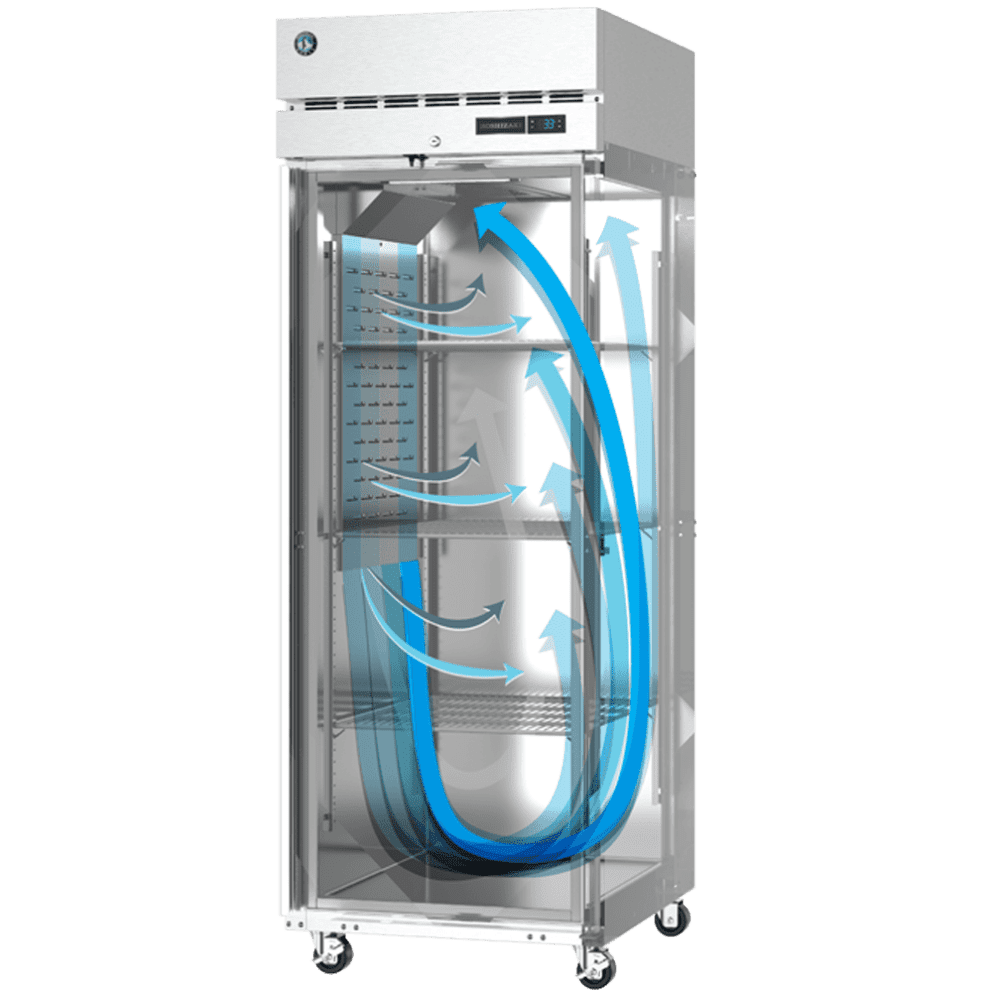
A breath of fresh air keeps things cool - grilles clogged with dust make life harder for an ice machine. Picture warm spots building up where airflow should pass easily. In busy kitchens or hotel basements, obstacles near the unit trap heat like a coat on a summer day. Without space to breathe, the system strains just to keep pace. Hoshizaki models push through - but only so far before output dips. Every blocked vent adds seconds to freeze time. Heat lingers when it should escape. Performance slips without warning. Simple clearances help avoid slow meltdowns. Machines don’t shout when stressed - they just make less.
This guide breaks down how clogged vents, layers of dust, and a heater sitting too close - each one chips away at efficiency. It shows what happens when airflow slows, when components run hot without relief. You see where maintenance slips through cracks, then learn simple fixes that keep machines running longer. Small changes add up, quietly preventing failures before they start.
Why Airflow Matters: Restricted airflow reduces ice production
Warm air trapped inside makes cooling harder, pushing the system past its limits. Performance dips fast - this shows up most when hotels rely on ice machines from brands like Hoshizaki, particularly when guests need more ice at busy times.
Warmth radiating from adjacent machinery pushes systems harder
Ovens, dishwashers, fryers - clustered storage nearby - all leak warmth toward the ice machine. That extra heat means it runs longer, guzzles more power, and drains efficiency across hotels and similar setups.
Dust buildup impacts cooling efficiency
Dirt caught in the condenser vents slows airflow. As the buildup continues, heat starts to build up inside. That extra warmth forces the system to draw more energy. Internal parts wear out faster under that strain.
Tools You’ll Need: Soft brush or microfiber cloth
Use these to clean intake and exhaust grilles without bending or damaging metal fins.
Vacuum with brush attachment
Perfect when it’s time to clear dust off condenser coils along with nearby cabinet spots.
A beam slicing into shadows, revealing where air hesitates behind heavy units. Light slips under equipment, catching obstructions hidden from daylight.
Water filtration? Not about airflow - but it shields inner parts from gunk over time. Keeps things running smoother, longer. Check what’s offered over at the water filter collection if you’re looking.
Inspection and Cleaning Steps Step 1: Inspect intake and exhaust grilles
Take a look at the front, then move to the sides, finally inspecting the back. Obstacles often found nearby are stacked containers, waste cans, storage racks - sometimes even random belongings placed near the equipment.
Start by clearing away any obvious dust. Use a gentle fabric to clean the vents, then take a vacuum to the condenser zones - go slow. Bent fins can mess up cooling efficiency, so keep movements smooth and careful.
Check there’s enough space surrounding the machine
Many ice makers need a few inches of breathing room around every side. In hotels, built-in niches frequently restrict that gap - choking ventilation while raising chances of overheating.
Place the unit away from hot appliances like ovens or dishwashers - heat sneaks in quietly, dragging down performance. When installed close to heat-emitting equipment, airflow gets disrupted, so shift the location if needed. Poor venting traps warmth around the machine, which slows freezing cycles. Moving it helps, yet better air movement can do just as much.
Check which way the air moves. Certain units draw it in up front, sending it out behind or along the edges. See that the stream isn't aimed straight at a surface like a wall, countertop, or tight spot.
Step 6: Account for hotel foot traffic
In hotel hallways, luggage piled up beside cleaning carts can hide the little ice machines tucked into walls. When mops, bins, or suitcases crowd around them, efficiency dips fast.
Scan the unit once a week. Keep an eye out for dust gathering over time. Check if vents are covered or if airflow is restricted. Objects might get moved nearby without notice. Small issues caught early tend to stay small. Prevention beats repair when it comes to steady function.
Every month, clear out the grill - suck up debris, then go over inlet and outlet spots with a cloth. Buildup happens naturally, yet it’s got to stay within limits so air keeps moving freely.
A quick check every few months keeps things clear. Gently shift the device if it seems secure - peek underneath, look behind. Nearby additions? Watch for anything giving off warmth placed close by.
Semiannual checkups keep things running smoothly. A qualified tech tackles grimy condenser coils, pokes through airflow channels inside, then checks if temps are on track. Book your slot at service page.
When to Call for Service: Ice production drops suddenly
A steep drop usually points to stress from blocked vents or problems inside the hardware.
The machine feels unusually hot
Too much heat in the cabinet? Could mean air can't move freely - maybe the vents are blocked. Or perhaps the condenser is carrying more load than it should handle.
Dust is visible inside the cabinet
Fine particles trapped inside slowly gum up the works, so a technician's touch brings airflow back while shielding delicate parts from heat stress.
A fresh setup appeared close by, quietly taking its place among the usual surroundings
Extra warmth from nearby appliances might shift how air moves through a room. Whether moving equipment or adjusting vents helps depends on real-world testing by someone trained.
The machine dies without warning
Heat safeguard could be kicking in. Checking it fast might save the compressor from harm.
Book service or set up PM: visit our service page or message us on our contact page.
Understanding airflow 101: why grilles, dust, and nearby equipment affect output is essential for anyone running a commercial ice machine, especially in settings like hotels, restaurants, and high-traffic service areas. Airflow is the lifeblood of any ice machine’s cooling system. If air can’t move freely, a Hoshizaki ice maker will run hotter, work harder, and produce less ice. This guide breaks down how blocked grilles, dust buildup, and nearby heat-producing appliances affect performance—and what you can do to prevent downtime and protect your investment.
When warm air can’t escape, the machine’s refrigeration system struggles to stay within operating temperatures. This directly cuts output, especially noticeable during peak demand in properties using hotel ice dispensers or Hoshizaki hotel ice systems.
Ovens, dishwashers, fryers, or even tightly placed storage units can radiate heat into the ice machine. This forces the system to run longer and use more energy, impacting energy savings in hotels and other commercial settings.
Dust trapped in air filters or condenser grilles reduces air intake, limiting the unit’s ability to cool itself. Over time, this leads to higher operating costs and shorter equipment life.
Use these for cleaning intake and exhaust grilles without damaging metal fins.
Ideal for removing dust from condenser coils and surrounding areas.
Helps you check dark corners behind or beneath machines where airflow may be blocked.
While unrelated to airflow, filtration protects internal components and supports long-term performance. Browse available options on our water filters collection page.
Start by checking whether the front, side, or rear grilles are blocked. Common culprits include boxes, trash bins, shelving, and even employee belongings accidentally stored too close.
Wipe down the grilles with a soft cloth and use a vacuum to gently clean the condenser area. Be careful not to bend metal fins—they’re crucial for airflow.
Most units need a few inches of space on all sides to breathe. Hotel hallways with built-in ice alcoves often violate this unknowingly. Too little space reduces output and can lead to overheating.
If your ice machine is next to ovens, dishwashers, or compressors, consider repositioning it or adding ventilation. Heat migration is a common hidden cause of low production.
Some models pull air from the front and exhaust out the back; others use side intake designs. Make sure airflow isn’t blowing directly into a wall or blocked by counters.
In hotel corridors, guests often place bags or carts near built-in dispensers. Any obstruction disrupts cooling performance for hotel ice dispensers.
Look for dust buildup or anything blocking airflow. Quick checks prevent long-term damage.
Wipe and vacuum around intake and exhaust areas. Dust accumulation is normal but must be controlled.
Move the machine slightly (if safe) to look behind and beneath it. Ensure no heat-producing equipment has been added nearby.
A technician can check internal airflow paths, tighten components, and clean condenser coils thoroughly. You can schedule professional help on our service page.
Rapid decline often signals overheating due to airflow issues or internal component failure.
If the exterior is hot to the touch, airflow is restricted or the condenser is overloaded.
If dust has made it inside the cabinet or condenser, professional cleaning is needed to restore efficiency.
New heat sources can drastically change airflow dynamics. A technician can confirm whether relocation or ventilation changes are required.
Overheating protection may be triggered. This should be inspected immediately to avoid compressor damage.
Book service or set up PM: visit our service page or message us on our contact page.
Login and Registration Form