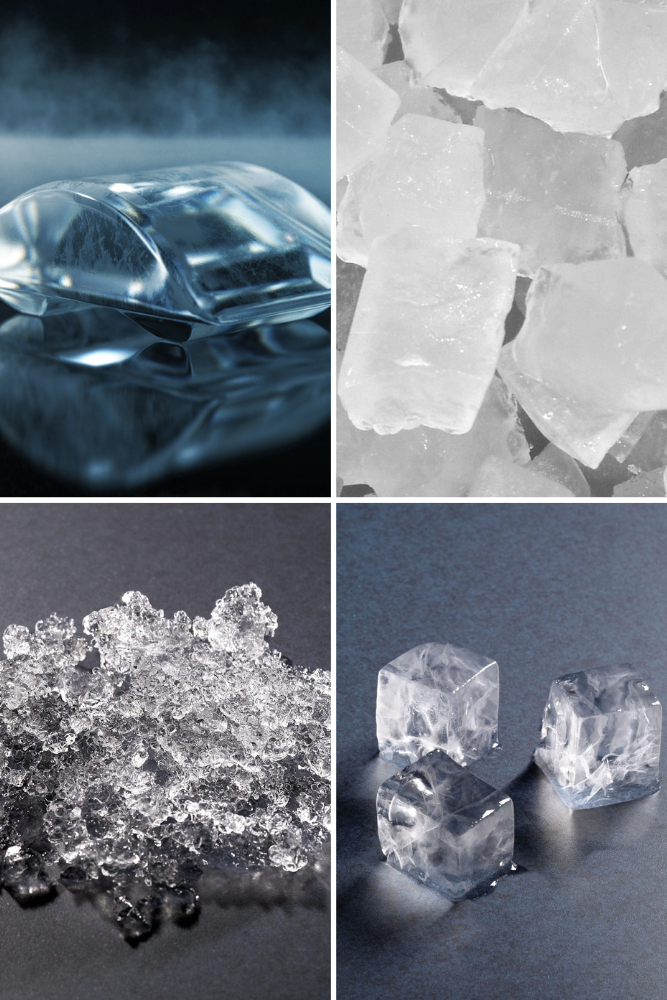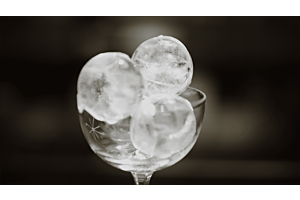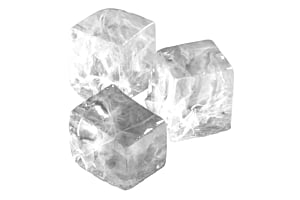
Featuring different Hoshizaki ice types: Crescent, Flaked, Cubelet, and Square ice

Picking the correct kind of ice counts way more than many assume. So is it moon-shaped, tiny cubes, crushed bits, or solid squares - what Hoshizaki type lines up with your offerings? It shapes how drinks taste, speeds up service, changes how meals look, and even impacts gear output. One sort might chill whiskey slow-like; another squishes into cool sculptures, while certain kinds work better for medical use or when someone’s got trouble chewing.


Who It’s For


This guide helps restaurant owners, bar managers, cafés, hotels, or healthcare spots pick the right ice for their menu - no guessing needed. When checking options, go for the KM Edge crescent line if you want solid overall performance; cubelet machines or flakers work better for specific uses in food, drinks, or medical setups. Picking your ice style early simplifies finding the best unit.


Key Considerations


Melt speed, but also how much it waters down your drink

Bars and restaurants care about how fast ice melts - it affects taste. Instead of dissolving quickly, crescent ice holds up longer, so drinks stay balanced. That’s why many see it as ideal for mixed drinks. Meanwhile, square ice stands out with its clear look and dense texture; because it breaks down more slowly than most, it boosts high-end cocktails.


Texture and chewability

Cubelet ice - often mentioned alongside nugget ice when people debate cubelet versus nugget - is gentler on the teeth, simpler to crunch, so it’s a solid pick for medical spots, coffee shops, or drink bars where folks serve themselves. Meanwhile, flaked ice feels almost silky, packs tightly around items, which works well for showing off fish or keeping dishes cool during setup.


Production speed

Different kinds of ice come out at different speeds. While flake and tiny cube makers usually make more per day thanks to quicker freezing, crescent or square pieces need extra time forming, yet chill drinks more effectively. As you pick a type, think about when demand hits its highest. Machines that run fast might suit busy stretches best.


Menu compatibility

Cocktail spots, seafood counters, sweet treats joints, coffee nooks, and clinics - each need a specific kind of ice. Picking the wrong one might mean drinks get watery fast, food feels off, or things just look sad. Get the correct cube, nugget, or flake? Right away, folks notice it tastes better plus everything runs smoother behind the scenes.


Quick Comparison Table

Ice Type Best For Characteristics Melt Rate Crescent Restaurants, bars Hard, curved, slow-melting, versatile Slow Cubelet Healthcare, cafés Soft, chewable, nugget-style Medium Flaked Food displays, prep Soft, moldable, high coverage Fast Square Cocktail bars, lounges Clear, dense, premium presentation Very Slow

Model / Ice-Type Fit


Crescent

Crescent ice works best in lots of situations. You’ll find it in cafes and pubs since it doesn’t stick together, flows well through dispensers, yet lasts a while before melting. Want a Hoshizaki crescent model? Try checking out the KM Edge series first. This type cools soda fountains or mixed drinks nicely, keeping them cold without watering them down too fast - perfect when serving cocktails on the rocks.


Cubelet

Cubelet ice, sometimes known as mini-nugget, feels tender and easy to crunch. It soaks up flavors fast - great for drinks. Places like hospitals or coffee spots often use a Hoshizaki machine to serve it. People enjoy how it tastes, while operators appreciate the steady output speed. For those after that chewy bite but cleaner and more reliable than regular nuggets, this type’s worth trying.


Flaked

Flaked ice works great for displaying food, keeping seafood fresh, chilling fruits and veggies, mixing drinks, or even helping in clinics. Since it wraps smoothly around items, cooling stays consistent across everything. Places needing lots of this ice often count on a steady supply - Hoshizaki’s range of flake machines delivers exactly that, day after day.


Square

Square cubes, sometimes called IM cubes, give a clean looks plus last longer before melting. One Hoshizaki IM machine makes see-through, even-sized pieces that boost fancy drinks. For a sharp look, these clear squares bring strong visuals to upscale spots like cocktail bars or lounges.


Sizing Math


Step 1: Estimate daily use

General guidelines:

  • Restaurants need around 1.5 to 2 pounds of ice per guest
  • Bars: 3 pounds for each spot
  • Cafés or quick-service spots use about 0.8 to 1.5 pounds per beverage
  • Healthcare: around 5 to 10 pounds for each bed

For more precision, use our ice size calculator.


Step 2: Adjust the output based on the kind of ice

Cubelet along with flaked units, usually pump out more than basic cube models. When your offerings include mixed beverages or plated visuals, go for a model that runs stronger. Crescent-shaped or boxy ice needs a bit of extra room because freezing takes longer.


Step 3: Add a peak buffer

Keep around 20–30% more on hand - this helps you stay stocked when things get hectic. Since ice builds up slowly, having a surplus keeps everything moving without hiccups when it’s packed.


Install Notes


Ventilation and space

Different models need varying air flow. Crescent ones, along with square cubes, tend to get hotter and demand better breathing space. Cubelets or flakers usually stay chillier - yet they still must have room near the exhausts. Check the setup manual every time so nothing blocks their airflow.


Water and drainage

Fresh water means clearer ice, particularly with square chunks. Good filters keep the ice looking clean while safeguarding machine parts inside. Every business-grade ice maker needs solid drainage - a floor outlet or a pumping system works, based on how things are set up.


Choose wires or bins depending on needs

Pick a power setup and container size that fits how much ice you need each day, plus the kind you want. Crescent-shaped or square cubes usually go in bigger containers, whereas flake or small cube types might need large bins because they’re made more quickly.


Maintenance


All commercial ice makers need frequent cleaning, scale removal, or sanitation. Crescent plus square units should get occasional inspections to keep cubes clear or properly shaped - meanwhile, cubelet and flake models demand attention on their augers where minerals pile up. Sticking to steady upkeep keeps things running smoothly while boosting longevity. Need help? Check out our support section.


Get a fast quote and delivery date—start with our ice machines or message us via our contact page.

Crescent vs Cubelet vs Flaked vs Square: Which Hoshizaki Ice Type Fits Your Menu?

Intro

Choosing the right ice type matters more than most operators realize. The question: crescent vs cubelet vs flaked vs square: which Hoshizaki ice type fits your menu? affects drink quality, prep efficiency, food presentation, and machine performance. Each Hoshizaki ice style behaves differently—some melt slowly for cocktails, others mold easily for displays, and some are designed for healthcare or soft-chew applications.

Who It’s For

This guide is designed for restaurant owners, bar managers, cafés, hotels, and healthcare facilities who want to match ice type to menu needs—not guesswork. If you are already comparing models, the KM Edge crescent series is a strong all-around choice, while cubelet ice makers and flakers support specialty food, beverage, and medical applications. Selecting your ice type first makes choosing your machine much easier.

Key Considerations

Melt rate and drink dilution

For bars and restaurants, melt rate is a major quality factor. Crescent ice melts slowly and maintains drink consistency, making it one of the best ice types for mixed beverages. Square ice—known for its clarity and hardness—melts even more slowly, elevating the quality of premium cocktails.

Texture and chewability

Cubelet ice—sometimes compared to nugget ice in the cubelet vs nugget conversation—is softer and easier to chew, making it ideal for healthcare, cafés, and self-serve beverage stations. Flaked ice is even smoother and molds well around food products, great for seafood displays and food prep.

Production speed

Different ice types produce at different rates. Flaked and cubelet machines typically deliver higher daily output because they require less freeze time. Crescent and square cubes take longer to form but provide better drink performance. Consider your peak service periods when choosing between ice types.

Menu compatibility

Cocktail programs, raw bars, dessert shops, cafés, and healthcare facilities all benefit from different ice characteristics. Using the wrong type can lead to excessive dilution, poor texture, or weak presentation. Choosing the right ice type instantly improves customer experience and operational consistency.


Quick Comparison Table

Ice Type Best For Characteristics Melt Rate
Crescent Restaurants, bars Hard, curved, slow-melting, versatile Slow
Cubelet Healthcare, cafés Soft, chewable, nugget-style Medium
Flaked Food displays, prep Soft, moldable, high coverage Fast
Square Cocktail bars, lounges Clear, dense, premium presentation Very Slow

Model/Ice-Type Fit

Crescent

Crescent ice is the most versatile option. It’s commonly used in restaurants and bars because it resists clumping, dispenses smoothly, and melts slowly. If you're looking for a Hoshizaki crescent machine, start with the KM Edge lineup. Crescent ice is also excellent for fountain drinks and cocktails, delivering stable cooling without quick dilution—ideal for crescent ice for cocktails.

Cubelet

Cubelet ice (also called mini-nugget ice) is soft, chewable, and highly absorbent. A Hoshizaki cubelet dispenser is commonly used in healthcare, convenience stores, and cafés. Customers love its texture, and machines tend to produce it quickly. If you want a nugget-like experience with better sanitation and production stability, cubelet ice is a strong option.

Flaked

Flaked ice is perfect for food merchandising, seafood, produce, blended beverages, and medical use. It molds easily around products and cools evenly. Businesses that rely on flaked ice typically require high output, which the Hoshizaki flaked ice machine line provides dependably.

Square

Square cubes—also known as IM cubes—deliver maximum clarity and slow melt. A Hoshizaki IM cube machine produces crystal-clear, uniform cubes that elevate premium cocktails. If you want a standout presentation, square ice clarity delivers unmatched visual impact for high-end bars and lounges.

Sizing Math

Step 1: Estimate daily use

General guidelines:

  • Restaurants: 1.5–2 lbs of ice per person
  • Bars: 3 lbs per seat
  • Cafés / QSR: 0.8–1.5 lbs per drink
  • Healthcare: 5–10 lbs per bed

For more precision, use our ice size calculator.

Step 2: Match production to ice type

Cubelet and flaked machines typically exceed the production capacity of cube machines. If your menu relies on blended drinks or food displays, choose a higher-output machine. Crescent and square cubes may require slightly more buffer due to longer freeze cycles.

Step 3: Add a peak buffer

Add 20–30% extra capacity to avoid running out during peak hours. Ice machines produce gradually, so this buffer protects your service flow during busy periods.

Install Notes

Ventilation and space

Different models have different ventilation requirements. Crescent and square cube machines may require more airflow, while cubelet and flaker units often run cooler but still need clearance around vents. Always review the installation guide to prevent airflow restrictions.

Water and drainage

Water quality affects ice clarity, especially for square cubes. Proper filtration helps maintain ice appearance and protects internal components. All commercial ice machines require proper drainage—either a floor drain or a pump, depending on your layout.

Electrical and bin selection

Choose an electrical configuration and bin size that aligns with your daily demand and ice type. Crescent and square ice often use larger bins, while flaked and cubelet ice may require high-capacity bins due to faster production speed.

Maintenance

All commercial ice types require regular cleaning, descaling, and sanitizing. Crescent and square cube machines need periodic checks to maintain clarity and shape, while cubelet and flaker machines require monitoring of auger systems for mineral buildup. A consistent maintenance routine preserves performance and extends machine life. For assistance, visit our service page.


Get a fast quote and delivery date — start at our Ice Machines page or message us through our Contact page.