
Sign in
Seasonal Peaks: Planning Hoshizaki Capacity for Summer Rush
December 05, 2025
86
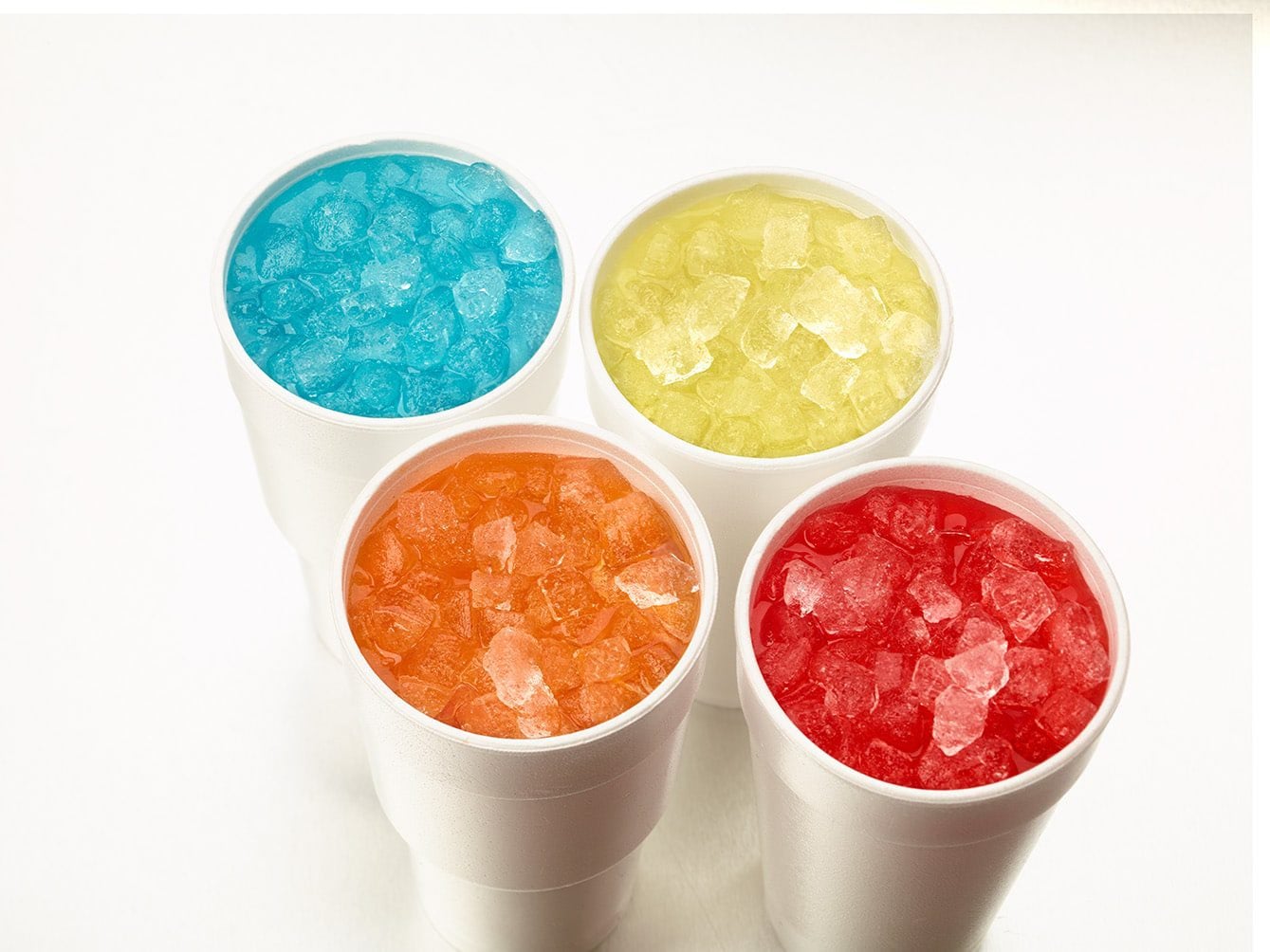
Quick answer: Plan summer ice capacity from your busiest realistic service period, not from an annual average or the machine’s headline pounds-per-day rating. Measure actual ice use, account for when the ice is consumed, compare demand with usable bin storage, and check the exact Hoshizaki model’s production table at the expected room-air and incoming-water temperatures. If the numbers are close, solve the constraint before peak season rather than assuming a larger bin or a generic percentage will fix it.
Why summer capacity planning is different
Hot weather can affect both sides of the equation. Beverage and food-service demand may rise while warmer room air, warmer incoming water or restricted condenser airflow can reduce production from an air-cooled machine. The size of either change is site-specific. A fixed claim such as “summer demand always rises 30 percent” or “every machine loses 20 percent” is not reliable enough for equipment selection.
The correct comparison is your location’s measured peak demand versus the exact model’s published performance under conditions similar to the installation. Hoshizaki specification sheets and manuals—not a generic family rating—should control the final decision.
1. Build a demand baseline from real operations
Start with recent high-volume days, point-of-sale counts and representative ice portions. Separate beverage ice, blended-drink ice, food-display or prep ice, employee use and any ice supplied to other departments. Record the hours when demand occurs; a 24-hour total alone can hide a two-hour shortage.
When measured data is unavailable, Hoshizaki’s selection guidance offers planning examples such as approximately two pounds per restaurant customer per day and three pounds per bar seat per day. These are starting points, not guarantees. Menu mix, cup size, refills, takeout volume, events, climate and operating hours can materially change actual use. Our ice calculator can help organize the estimate.
2. Forecast the busiest credible summer period
Use reservations, prior-year sales, event calendars, patio capacity, catering commitments and seasonal menu changes to identify the busiest credible week and busiest service window. Do not apply an arbitrary growth percentage when the business has its own sales history.
For a new location, create low, expected and high-demand scenarios. State every assumption so it can be reviewed after opening. If a summer menu adds frozen drinks, iced coffee, large fountain beverages or seafood display, calculate those uses separately rather than hiding them inside one broad allowance.
3. Read the exact model’s performance table
A model advertised as producing “up to” a certain number of pounds per day is normally rated at stated test conditions. Find the current Hoshizaki product page, specification sheet and installation manual for the complete model number and suffix. Compare the table row closest to the expected ambient-air and incoming-water temperatures.
Never transfer a production table, clearance requirement or condenser rule from a similar-looking model. Small suffix changes can identify a different condenser or electrical configuration. HoshizakiIceMaker.com does not sell 50 Hz foreign-market machines; verify that the selected model is appropriate for the U.S. 60 Hz market.
4. Separate production, recovery and storage
Daily production and bin storage solve different problems. The ice maker creates ice over time; the bin carries inventory from lower-use periods into the rush. A larger compatible bin may help when the machine can replenish inventory between peaks, but it does not increase the machine’s production rate.
Map the day hour by hour: starting usable bin inventory, expected consumption, estimated production and the time available for recovery. Confirm the exact bin, dispenser and top-kit combination using manufacturer compatibility information. Review available Hoshizaki ice bins and the bin top-kit guide, then verify the final combination for the complete model.
5. Check the installation before blaming capacity
Restricted air intake or discharge, a dirty condenser, excessive room temperature, warm incoming water, inadequate water flow, scale, an incorrect filter, drain problems or improper clearances can reduce practical performance. Compare the installed site with the exact manual before deciding the machine is undersized.
Air-cooled, water-cooled and remote-cooled equipment reject heat differently. A remote condenser can move condenser heat and sound away from the ice-making head, but it is not a universal capacity upgrade. It requires a compatible condenser, line set and installation within the manufacturer’s limits. Review technical support resources and involve a qualified installer.
6. Prepare water treatment and maintenance for peak season
Use water treatment appropriate to local water conditions and the machine’s required flow. Filtration can help address sediment, taste, odor or scale, but it does not replace cleaning and sanitizing. A filter that is too restrictive may create a separate operating problem. Use the filter-sizing matrix as a starting point and confirm the final system for the application.
Follow the current Hoshizaki instruction manual for cleaning, sanitizing and maintenance intervals. There is no single “every two or three months” rule that should be applied to every model and water condition. Schedule service, cartridge replacement and condenser cleaning before the rush, and keep records of the work.
7. Create a shortage and failure plan
Peak-season planning should address more than normal production. Decide who monitors bin level and machine alerts, when a manager should escalate, where emergency bagged ice can be obtained, how food-safe handling will be maintained and which service provider will be called. Keep the model and serial number accessible.
If the capacity review shows a persistent shortfall, compare the full options: a properly sized replacement, an additional machine, a different production-and-storage combination, or operational changes that shift production into recovery periods. Confirm utilities, drainage, ventilation, space and compatibility before ordering.
Summer capacity checklist
- Measure ice use on representative high-volume days.
- Calculate the busiest service window, not only the daily total.
- Forecast menu, seating, takeout, catering and event changes.
- Use the exact model’s production table at expected air and water temperatures.
- Check starting bin inventory, usable storage and recovery time.
- Verify bin, dispenser and top-kit compatibility.
- Inspect airflow, condenser condition, water flow, filtration and drainage.
- Complete manufacturer-required maintenance before peak demand.
- Document a safe emergency-ice and service-response plan.
Common questions
Should I simply buy the largest machine that fits?
No. Oversizing can waste space and capital, while an incompatible bin, inadequate utilities or poor installation can create new problems. Size the complete system to measured peak demand and the installation.
Will a larger bin fix a summer shortage?
Only when storage—not production—is the actual constraint and the larger bin is compatible. A bin carries inventory; it does not make ice.
How much reserve capacity should I add?
There is no universal percentage. Choose a documented planning margin based on forecast uncertainty, event exposure, recovery time, delivery access and the consequences of a shortage. Then verify that the exact machine and bin combination satisfies the high-demand scenario.
Where should I verify the final selection?
Use Hoshizaki’s current ice-machine selection guide, ice-machine overview, and manuals and support resources. For help comparing a specific installation, contact HoshizakiIceMaker.com.
Manufacturer references reviewed September 8, 2026. Always verify the current documentation for the exact model before purchase or installation.
Featured Product
Recent Posts


My Account
Sign in or create an account to check out faster and track your orders.