
Sign in
What Affects Ice Output? Room Temp, Water Temp, Ventilation (Hoshizaki Tips)
December 06, 2025
496
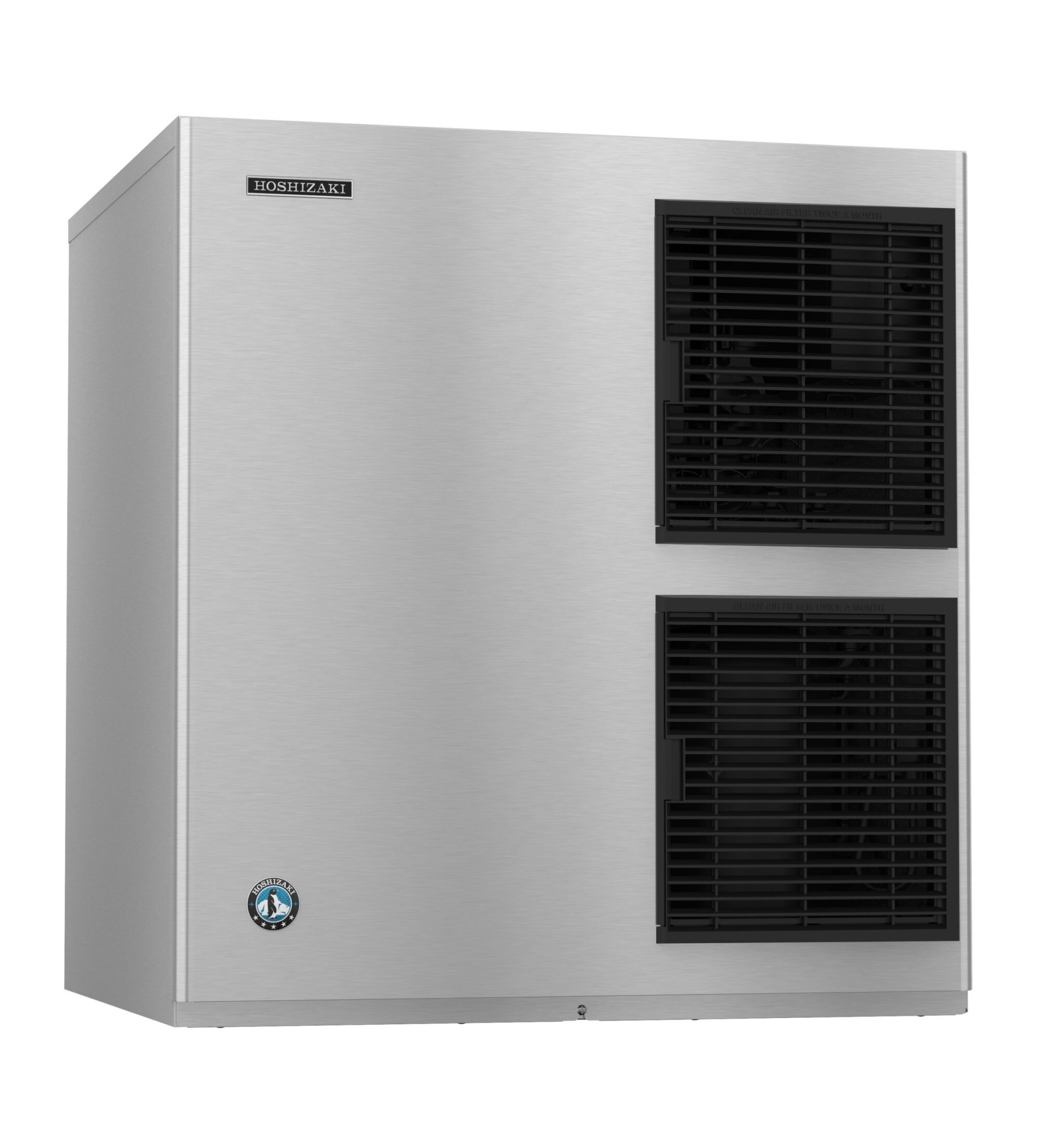
Quick answer: Commercial ice output is affected by the conditions under which the exact machine operates. Important variables include ambient-air temperature, incoming-water temperature and flow, condenser airflow or condenser-water conditions, scale and cleanliness, installation clearances, bin controls and the amount of ice being used. Do not estimate a universal percentage loss. Compare the complete Hoshizaki model number with its current specification sheet, production table and instruction manual.
Start with rated output versus actual output
A headline pounds-per-day figure is normally based on stated test conditions. It is not a promise that the machine will produce that amount in every kitchen. Hoshizaki performance tables show how production changes at combinations of air and water temperature for the specific model.
Before troubleshooting, record the complete model and serial number, the measured room temperature near the machine, incoming-water temperature, approximate water pressure, operating hours and the amount of ice actually produced over a controlled period. Comparing measured data with the correct model table is far more reliable than applying a generic temperature-loss formula.
1. Ambient-air temperature
Higher ambient temperature can make an air-cooled refrigeration system reject heat less effectively and may reduce production. The exact effect varies by model and operating condition. A machine beside cooking equipment, exposed to direct sun or installed in a poorly ventilated enclosure may experience conditions very different from the room thermostat reading.
Measure temperature at the machine’s air intake during normal operation. Verify that the location remains within the operating range in the model’s instruction manual. If the room exceeds that range, address ventilation or relocation with a qualified contractor rather than assuming the ice machine is defective.
2. Incoming-water temperature and supply
Warmer incoming water generally requires more heat removal before it freezes, which can reduce production. Again, the exact result belongs in the model-specific performance table. Seasonal changes, long piping runs through hot spaces and nearby heat sources can alter inlet temperature.
Water quantity matters too. Confirm that the shutoff is fully open, the supply pressure is within the manual’s limits, the inlet screen and water system are not restricted, and the selected filter can provide the required flow. Do not adjust internal water controls without the model’s service information and appropriate training.
3. Condenser airflow and cleanliness
Air-cooled machines need the manufacturer-specified intake, discharge path and clearances. Blocked louvers, dirty air filters or condenser fins, stored items around the unit and recirculation of hot discharge air can raise condensing temperature and reduce practical output.
Use the exact manual to identify the airflow direction and service procedure. Disconnect and service equipment only as directed by the manufacturer. Bent fins, inaccessible coils or refrigeration-system concerns should be handled by a qualified technician.
4. Water-cooled and remote-condensing conditions
Water-cooled and remote-cooled machines manage condenser heat differently from self-contained air-cooled equipment, but they are not automatic cures for low production. A water-cooled unit depends on appropriate condenser-water flow, temperature and drainage. A remote system depends on a compatible condenser and line set installed within the model’s limits.
Remote-condensing equipment can move condenser heat and sound away from the ice-making head. That does not mean every remote installation produces more ice or is the best choice for every site. Compare installation cost, access, utilities, local requirements and the exact performance data. Review our remote versus self-contained guide for the planning questions, then verify the final design with Hoshizaki documentation.
5. Scale, water quality and filtration
Mineral scale and other deposits can interfere with heat transfer, water distribution, sensors and moving components. Water quality may also affect taste, odor and ice appearance. The correct treatment depends on local water conditions and the machine’s flow requirements.
Filtration is not a guarantee of higher production, and softened water is not a universal recommendation for every machine. Choose treatment based on a water analysis and equipment requirements. An undersized or overdue cartridge can restrict flow. Use the filter-sizing matrix as a starting point and confirm the final system for the exact application.
6. Cleaning, sanitizing and maintenance
Follow the current Hoshizaki instruction manual for cleaning, sanitizing and preventive maintenance. Maintenance frequency must come from the current manual and site conditions, not a universal interval. Some sites require more frequent attention based on water quality, airborne contaminants, use and local regulations.
Keep records of cleaning, sanitizing, cartridge replacement, condenser service and technician findings. Filtration does not replace cleaning, and cleaning does not correct an installation outside the model’s operating limits.
7. Bin controls, storage and ice use
A machine can appear to have low output when the bin control stops production because stored ice is contacting the control as designed. Bridged ice, an incorrectly installed control, an incompatible bin or dispenser, or poor ice removal patterns can also confuse the diagnosis.
Separate three measurements: ice produced, usable ice stored and ice consumed. A larger compatible bin can carry more inventory into a rush, but it does not increase the machine’s production rate. Review Hoshizaki ice bins and the bin top-kit guide, then confirm compatibility for the full model number.
8. Demand can look like a production problem
When a bin empties during peak service, first determine whether production decreased or customers simply used more ice. Compare point-of-sale volume, cup sizes, refills, blended drinks, food-display use, events and operating hours with prior periods. Do not automatically multiply demand by 1.3; use the business’s actual history whenever possible.
Our ice calculator can organize a demand estimate. The companion summer-capacity guide explains how to compare peak consumption, production, storage and recovery time.
A practical low-output checklist
- Confirm the complete model and serial number.
- Use the correct specification sheet and instruction manual.
- Measure ambient air and incoming-water temperature during operation.
- Check water pressure, shutoff position, inlet restrictions and filter flow.
- Inspect required clearances, intake, discharge and condenser cleanliness.
- Confirm the condenser configuration and installation match the exact model.
- Review cleaning, sanitizing and maintenance records.
- Check bin-control operation and bin or dispenser compatibility.
- Measure actual production separately from storage and customer use.
- Call qualified service when readings fall outside the manual or a fault is present.
Common questions
How much production will I lose in a hotter room?
There is no accurate universal percentage. Use the production table for the exact model at air and water temperatures closest to the site conditions.
Does colder incoming water always solve low output?
No. Water temperature is only one variable. Water flow, condenser conditions, scale, controls, refrigeration performance, storage and demand must also be evaluated.
Should I replace the machine if output falls?
Not until the installation, maintenance condition, measured production and demand have been checked. A correctable airflow, water or service issue may be the constraint; in other cases, the operation may genuinely need more capacity.
Where can I find the controlling information?
Use Hoshizaki’s current ice-machine overview to identify the equipment family and its official support and manual resources for the exact model. For installation or selection help, contact HoshizakiIceMaker.com.
Manufacturer references reviewed September 8, 2026. Always use the current documentation for the exact model before service, purchase or installation.
Featured Product
Recent Posts




My Account
Sign in or create an account to check out faster and track your orders.