
Sign in
Hoshizaki for Small Spaces: Quiet, Compact Undercounter Options
December 03, 2025
122
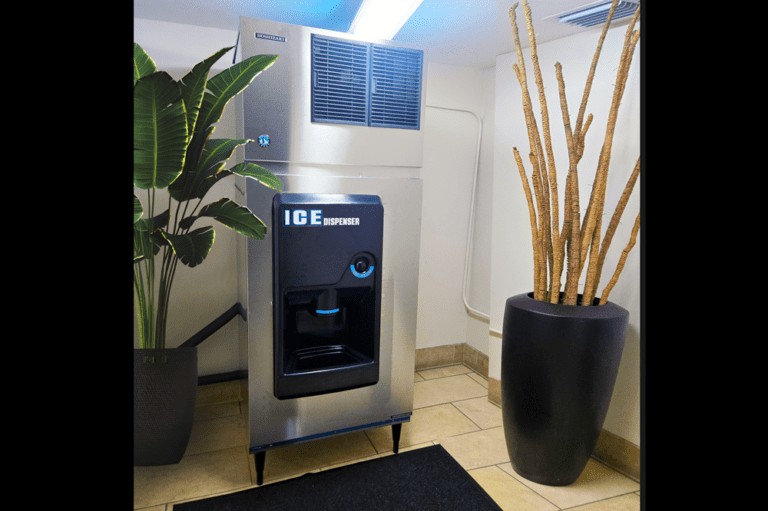
Picking a good ice maker’s tough if you’re short on room.
The reason Hoshizaki works well in tight spots? It’s built low-profile so it slips under counters where others won’t go - yet still runs smoothly without loud noise. Since some machines choke on poor airflow, this one keeps cool even when space is cramped.
Fortunately, Hoshizaki makes undercounter ice machines built for small spaces, quiet operation, and consistent everyday ice output.
This guide shows picking the right model for your work, what happens when setting it up, and why cleaning the air keeps things running smoothly.
Who It’s For
This guide works for cafes, tiny bars, or food trucks - also fits office spaces, hotel rooms, or spots needing steady ice without taking up much room.
If you’ve been browsing options like the Hoshizaki KM Edge series or specialty cubelet and flaker units, this article will help you understand how undercounter machines fit into your workflow.
It's good for shoppers looking for something silent yet unsure how to begin - so they can skip the guesswork. While some might feel lost at first, this helps them move forward without stress.
Key Considerations
Noise level, but also comfort
In tight spots, a bad ice maker might take over the area.
Undercounter Hoshizaki ice machines run more quietly - so they work well behind counters where people hang out, like cafes or sitting zones. They’re built to keep noise down without slowing performance. These units fit easily into tight spots while still cooling drinks fast. Since the sound stays low, staff can talk easily nearby. That helps service feel smoother during busy times.
Less shake plus smart heat control keeps your spot cool while still making plenty of ice.
Ventilation requirements
Even small ice makers need good air flow so they work well.
Undercounter models pull in air, then push out warmth using special openings.
Always review airflow and clearance requirements using the installation guide before finalizing placement.
Water filtration and ice quality
Small setups collect mineral deposits more quickly.
Good water filtering makes ice taste better, while also cutting down on mineral deposits that can harm machine parts.
Sticking to a regular cartridge change keeps your Hoshizaki ice maker working smoothly over time - so it performs well without hiccups.
Faulty wiring or pipe issues
Tiny rooms usually come with few power sockets - also, getting to the water lines can be tricky.
Many compact fridges plug into regular outlets, needing just a water supply plus waste hookups - thinking early stops expensive changes later.
Model and Ice-Type Fit
Crescent-shaped ice you can use every day
Crescent ice melts slowly, plus it won't stick together - perfect for coffee shops or tiny diners. It works great in bars too since it stays loose and chill.
Several compact Hoshizaki units include the same ice-forming method seen in bulkier versions.
Cubelet ice for soft chewability
Cubelet ice pops up often in tea spots, cafes, and also at corner stores - ’cause it’s tender enough to chew on.
The cubelet lineup includes undercounter options that produce ice quickly in compact spaces.
Flaked ice works well when getting things ready - also good for showing food nicely
Undercounter flakers make soft ice perfect for showing off fish, chilling ingredients, or getting meals ready - works well every time.
Explore options in the Hoshizaki flaker category.
Square blocks made for top drinks
Square ice melts more slowly, plus it makes drinks look better.
Compact square cube machines allow small bars to serve premium drinks without large equipment.
Sizing Math
Step 1: Calculate daily ice needs
- Coffee spots: around 0.8 to 1.5 pounds for each cup
- Mini bars: around 2 to 3 pounds for each spot
- Small eateries: around 1.5 to 2 pounds for each diner
For exact sizing, use the ice machine size calculator.
Step 2: Match production to storage
Many compact units make anywhere from 50 to 200 pounds of ice daily.
Pick a model that handles high usage yet still slides neatly beneath your countertop - just leave enough space around it for airflow.
Step 3: Plan for future growth
If you're planning more items on the menu or expecting more customers, go for a unit that’s got about 20–30% room to grow. Instead of just fitting today's needs, build in some breathing space - so when things pick up, you’re ready without swapping gear.
Installation Notes
Fits snug in small spots
Check the width, then figure out how tall it is, along with how deep - don't forget space for airflow. Also, think about where the door opens before you buy.
Drainage planning
If there’s no floor drain nearby, go for a model that includes its own built-in pump.
Quiet operation considerations
Undercounter air-cooled units work well in spots where customers hang out - noise level’s a big deal there.
Maintenance
Small ice makers need regular filter checks - cleaning keeps them running smoothly.
Routine care keeps the ice clean, stops mineral deposits because it cuts down on repair needs.
For professional maintenance, visit our service page.
Fancy tracking down a solid undercounter model?
Get a fast quote and delivery date—start with our ice machines or message us via our contact page.
Hoshizaki for Small Spaces: Quiet, Compact Undercounter Options
Introduction
Choosing the right ice machine becomes challenging when space is limited. The question of Hoshizaki for small spaces: quiet, compact undercounter options matter because not every commercial ice machine can fit under a counter, operate quietly, or handle limited ventilation. Fortunately, Hoshizaki has several undercounter units engineered for tight layouts, low noise, and reliable daily production. This guide explains how to pick the best model for your business, what to expect during installation, and how filtration helps keep your machine running at its best.
Who It’s For
This guide is for cafés, small bars, food trucks, offices, hotel suites, coffee shops, or any business that needs dependable ice production in a compact footprint. If you’ve been browsing options like the Hoshizaki KM Edge series or specialty cubelet and flaker units, this article will help you understand how undercounter machines fit into your workflow. It’s also useful for buyers who want a quiet machine but don’t know where to start.
Key Considerations
Noise level and comfort
In small rooms, the wrong machine can dominate the environment. Undercounter Hoshizaki ice makers are engineered for quieter operation, making them suitable for customer-facing areas like coffee bars or lounges. Reduced vibration and efficient cooling help maintain a quieter workspace without compromising output.
Ventilation requirements
Even small commercial ice machines need space to breathe. Undercounter units pull air in and exhaust it through specific vents. Good ventilation prevents overheating and protects long-term reliability. Always check the location and airflow requirements through the installation guide before finalizing machine placement.
Water filtration and ice quality
Filtration matters even more in small machines because mineral buildup can occur more quickly in compact systems. Proper water filtration helps keep ice clean, improves taste, and helps reduce scale buildup. Timely filter cartridge replacement prevents scale deposits, protects components, improves taste, and keeps your Hoshizaki ice maker running efficiently.
Electrical and plumbing limitations
Small spaces often have limited electrical outlets and drainage options. Undercounter units simplify this by using standard voltages and requiring only a water line and drain. However, planning ensures your space can support your machine without costly modifications.
Model/Ice-Type Fit
Crescent ice for everyday use
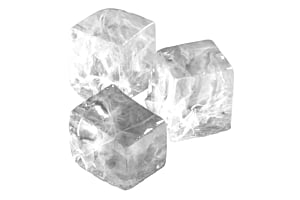
Crescent ice is ideal for cafés, small restaurants, and bars because it melts slowly and resists clumping. Many undercounter models use Hoshizaki’s crescent-making system, delivering consistent performance in compact spaces. If you prefer standard cubes with dependable output, crescent machines are a safe choice.
Cubelet ice for soft chewability
If you serve teas, sodas, or flavored drinks, cubelet ice is a customer favorite thanks to its light, chewable texture. The cubelet lineup includes undercounter options that work well in cafés, convenience stores, and specialty drink shops. They also produce ice quickly, even in small-format machines.
Flaked ice for prep and display
For kitchens with small prep areas, undercounter flakers provide soft, moldable ice suited for seafood displays, ingredient cooling, or blended drinks. Explore Hoshizaki flakers if your menu relies on soft or crushed ice types.
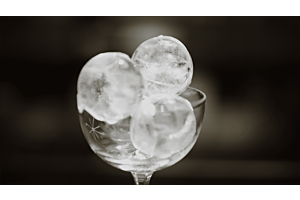
Square cubes for premium beverages
If your small bar specializes in cocktails, consider undercounter square-cube ice. Square cubes melt slowly, look premium, and create a clean visual finish for upscale drinks. Even compact models can deliver cocktail-quality ice without needing a large bin.
Sizing Math
Step 1: Calculate daily needs
Use simple guidelines:
- Coffee shops: 0.8–1.5 lbs of ice per drink
- Small bars: 2–3 lbs per seat
- Small restaurants: 1.5–2 lbs per guest
If you want exact calculations, try our size calculator.
Step 2: Match size to storage limitations
Most undercounter units produce 50–200 lbs of ice per day. Pick a machine that makes slightly more than your busiest hour’s needs, but still fits under your counter. Allow space for service access and ventilation.
Step 3: Consider future expansion
If you plan to add seating, expand your drink menu, or open earlier or later, choose a machine with 20–30% extra production capacity. It’s easier to buy a slightly larger model now than replace an undersized one later.
Install Notes
Fitting into tight spaces
Measure carefully—not just width and height, but also ventilation clearance and door swing. Some undercounter machines require side ventilation, while others require forward ventilation. Ensure the airflow direction matches your counter layout.
Drainage planning
Every ice machine needs drainage. If your small space doesn't have a floor drain, choose a unit with an internal pump. Undercounter machines are commonly installed in cafés or bars where pump drains solve space limitations.
Quiet operation considerations
If machine noise is a concern, choose units with air-cooled systems designed for low sound levels. These are ideal for places where customers sit close to the bar or counter.
Maintenance
Compact machines need consistent maintenance to stay efficient. Regular cleaning keeps the ice sanitary, and replacing your filter cartridge helps maintain ice quality and prevent mineral buildup. Filtration systems also protect your investment by keeping components clean and reducing service issues. For expert help, visit our service page.
Get a fast quote and delivery date — start at our Ice Machines page or message us through our Contact page.
Featured Product
Recent Posts


Login and Registration Form