
Sign in
Spherical Craft Ice: When to Choose Hoshizaki Sphere Ice
December 19, 2025
83

Quick answer: Choose Hoshizaki spherical craft ice when a large round ice form supports the drink presentation and the exact machine fits measured demand, production timing, storage, electrical service, water, drainage, ventilation, space, and sanitation requirements. Test the actual sphere in the intended glass and recipe before purchasing equipment.
What spherical craft ice is
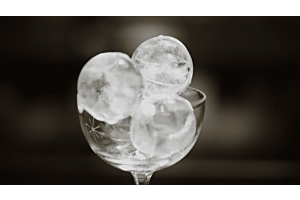
Spherical ice is a large, rounded ice form used primarily for visual presentation in selected cocktails and spirits. The exact diameter, shape, surface, production process, and output are model-specific. Use the current manufacturer specification sheet rather than assuming every “sphere” machine produces the same result.
“Craft ice” is a marketing description, not a technical performance guarantee. Ice clarity and dilution depend on water, cube mass and surface area, drink and room temperature, glass, agitation, storage, handling, and time. Avoid universal claims that a sphere is perfectly clear or always melts at one particular rate.
When sphere ice may fit
Sphere ice can be a good candidate for cocktail bars, hotel lounges, tasting rooms, private clubs, restaurants, and hospitality programs that deliberately use one large ice piece as part of the presentation. It may support signature drinks or premium pours when the glassware and recipe are designed around the sphere.
It is less likely to be the primary ice source for high-volume soft drinks, water service, blended beverages, food displays, or general kitchen use. Many operations need a separate general-purpose ice system in addition to specialty ice.
Test the complete drink presentation
Place the actual sphere in each representative glass. Confirm that it fits through the opening, leaves appropriate beverage volume, works with garnishes, and can be handled safely with the bar’s tools. Evaluate appearance, drink temperature, service time, customer response, and whether the recipe remains consistent.
Do not size equipment from seats alone. Record the number of sphere-ice drinks sold during representative days and the busiest 15-, 30-, and 60-minute periods. Include waste, breakage, rejected pieces, employee training, seasonal menus, events, and projected growth.
Compare sphere ice with other Hoshizaki ice forms
Sphere versus square cube
Both can support presentation-focused beverages, but their dimensions, displacement, handling, and visual effect differ. Test each in the actual glass and compare model-specific production and storage. Review our guide to Hoshizaki square-cube ice.
Sphere versus crescent ice
Crescent ice is a hard general-purpose beverage cube and may be more practical for broad service. Sphere ice usually serves a narrower presentation role. An operation may use both systems for different menu items.
Sphere versus cubelet or flake ice
Cubelet ice offers a chewable texture, while flake ice is soft and moldable for selected display, preparation, or process uses. Neither is a direct substitute when a recipe is designed around one large round piece.
Read production data carefully
Specialty-ice output may be described by weight, pieces, cycle, or a combination of measures. Preserve the published unit and test condition. Convert pieces to drinks only after confirming how many acceptable spheres the bar uses per serving and accounting for realistic waste.
Compare production at the manufacturer’s stated air- and water-temperature conditions. Ambient temperature, incoming-water temperature, ventilation, water quality, condenser condition, mineral scale, maintenance, and installation can affect real output.
Use how to read Hoshizaki specifications before comparing a sphere machine with equipment rated in pounds per day.
Plan storage and handling
Confirm whether the exact machine includes storage and how many finished pieces can be held under the stated conditions. Production and storage solve different problems. The machine may make enough spheres over a day but lack reserve for a short rush.
Define how employees remove, transfer, stage, and serve the ice. Use dedicated food-safe tools and containers. Avoid bare-hand contact, glass scoops, open trays in contaminated areas, or prolonged staging outside approved storage.
Installation requirements to verify
- Exact model number and current specification and installation documents.
- Voltage, frequency, phase, circuit protection, and connection method.
- Potable-water connection, pressure, temperature, flow, and treatment needs.
- Machine drains, gravity routing, air gaps, and floor-drain location.
- Dimensions, clearances, door swing, ventilation, and service-panel access.
- Heat rejection and the installation area’s ability to manage it.
- Counter or floor support, delivery path, shipping size, and weight.
- Storage capacity and any required accessories.
Use the exact installation manual with qualified trades and review the Hoshizaki installation checklist before delivery.
Water quality and appearance
Incoming water can affect taste, odor, mineral scale, maintenance, and appearance. Select treatment from water testing, required flow, equipment capacity, and manufacturer guidance. Standard filtration does not automatically remove hardness or guarantee transparent ice.
If clarity is central to the purchase, test the exact equipment with representative water or obtain supportable documentation for the expected result. Do not promise photography-level transparency from a generic product-family claim.
Cleaning and sanitation
Ice is food. Follow the exact machine’s cleaning and sanitizing instructions, applicable requirements, and site conditions. Water chemistry, airborne grease, dust, yeast, usage, and the environment can change inspection and cleaning needs.
Keep a log of filter changes, cleaning, sanitation, service findings, rejected ice, production observations, and employee handling procedures. Specialty appearance does not reduce food-safety responsibilities.
Calculate the business case
Compare the complete installed cost with the number of sphere-ice drinks reasonably expected to sell. Include equipment, freight, installation, utilities, water treatment, cleaning, labor, maintenance, rejected pieces, downtime, and any second ice machine required for general service.
Then evaluate whether the specialty presentation supports menu pricing, guest experience, brand position, or service consistency. Avoid assuming the equipment will create a price premium without testing the menu and customer response.
Questions to answer before choosing sphere ice
- Which drinks and glasses will use the sphere?
- How many acceptable pieces are needed during peak service?
- How much finished-ice storage is available?
- Will a separate machine supply general beverage and kitchen ice?
- Can the site meet all electrical, water, drain, clearance, and ventilation requirements?
- How will employees handle, inspect, and stage the spheres?
- Who owns cleaning, sanitation, filter service, and repairs?
- Does the documented business case justify a specialty system?
Common selection mistakes
- Buying from appearance without testing the actual glass and recipe.
- Using seats or total drinks as a substitute for measured sphere demand.
- Assuming all sphere machines produce identical size or clarity.
- Confusing daily production with available reserve storage.
- Ignoring rejected pieces, handling time, and sanitation.
- Expecting one specialty machine to cover all ice uses.
- Copying utilities or output from a similar model.
Frequently asked questions
Does sphere ice always melt more slowly?
Melt and dilution depend on ice mass and surface area, temperature, glass, drink, agitation, and time. Compare the actual sphere with the intended alternative under the same conditions.
Is spherical ice always clear?
No universal result should be promised. Equipment design, water, operation, storage, and viewing conditions influence appearance.
Can sphere ice replace a bar’s main ice machine?
Usually that decision depends on the full menu and demand. A specialty sphere system may serve selected drinks while another system supplies general beverage and kitchen ice.
How should sphere-machine capacity be measured?
Use the manufacturer’s published production unit and conditions, then translate it into acceptable pieces per peak period using the bar’s actual recipes and waste.
Bottom line
Choose Hoshizaki spherical craft ice when the actual sphere improves a defined beverage program and the complete system fits measured demand, storage, utilities, space, sanitation, and service needs. Test the drink and validate the business case before treating specialty appearance as an operational solution.
Is sphere ice right for your beverage program? Browse our Hoshizaki ice machines and contact our team to compare the exact sphere-ice machine, production, storage, utilities, and installation requirements for your site.
Featured Product
Recent Posts

My Account
Sign in or create an account to check out faster and track your orders.