
Sign in
Hoshizaki Installation Checklist: Power, Drainage, Clearances, Venting
December 07, 2025
198
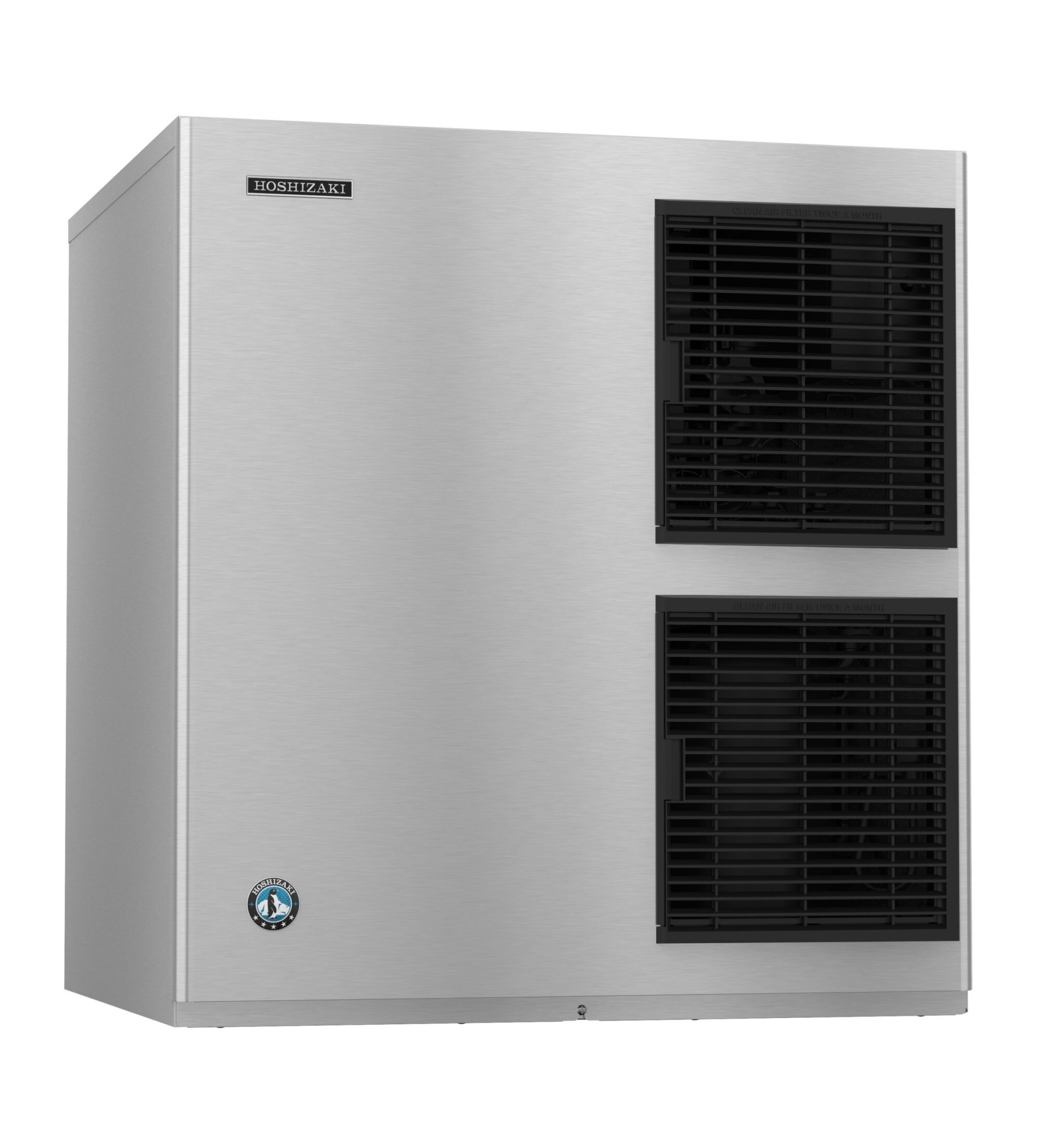
Quick answer: A Hoshizaki ice machine should be installed from the instructions for its exact model—not from a generic clearance, voltage, water-pressure, or drain rule. Before delivery, confirm the model number, matching bin or dispenser, electrical service, water connections, drains, condenser type, service access, and the current Hoshizaki instruction manual. Installation and service should be performed by qualified technicians and comply with applicable codes.
Hoshizaki installation checklist at a glance
- Download the instruction manual for the exact model and revision.
- Confirm that the machine, bin or dispenser, adapter, remote condenser, and line set are compatible.
- Measure the complete installed height, width, depth, door swing, ventilation space, and service access.
- Match the nameplate voltage, phase, frequency, minimum circuit requirements, connection method, and grounding instructions.
- Verify potable-water temperature and pressure against the model manual.
- Plan every required water supply, shutoff valve, drain, vent, air gap, and water-cooled condenser connection.
- Keep air intake and exhaust openings unobstructed.
- Allow the installer to level, secure, inspect, start, and test the complete system.
1. Start with the exact model manual
Hoshizaki requirements vary by model and configuration. An undercounter machine, modular cuber, water-cooled unit, remote-cooled system, dispenser, and flaker may require different utilities and accessories. Use the model number on the machine or specification sheet to obtain the current instruction manual. The manual and equipment nameplate—not a general article—control the final installation requirements.
This distinction matters because two machines with similar production ratings may use different electrical connections, drain arrangements, clearances, bins, adapters, or condenser components. Do not substitute specifications from another model in the same series.
2. Verify location, dimensions, and access
Measure the path into the building as well as the final equipment space. Include the machine, storage bin or dispenser, required adapter, adjustable legs or stand, door movement, utility connections, and room needed for cleaning and service.
Confirm whether the exact model is approved for its intended indoor or outdoor location and compare expected room and incoming-water temperatures with the operating ranges in its manual. Keep the machine away from conditions that exceed those ranges. If water damage is a concern, follow the manual and local requirements for a contained area and floor drain.
3. Match the electrical supply to the nameplate
Before installation day, have a qualified professional compare the site power with the machine nameplate and manual. Confirm voltage, phase, frequency, circuit capacity, overcurrent protection, grounding, and whether the model is cord-connected or hard-wired. Hoshizaki manuals commonly require an independent power supply of proper capacity, but the exact connection requirements are model-specific.
Do not assume that a larger or smaller Hoshizaki machine uses the same electrical service as an existing unit. Remote systems may also have model-specific wiring between the icemaker and condenser.
4. Plan potable-water connections
Confirm the required inlet size, water temperature, pressure range, shutoff valve, drain valve, backflow protection, and any treatment recommendations in the exact manual and local plumbing code. The supply should be accessible for service, and the machine must not be operated without an adequate water supply.
Water treatment should be selected from a water-quality assessment and the equipment requirements. A filter is not a substitute for required cleaning and sanitizing, and a generic filter recommendation should not override the model manual.
5. Design the drainage correctly
Identify every drain before the machine arrives. Depending on the configuration, the installation may include separate drains for the icemaker, storage bin or dispenser, and water-cooled condenser. Hoshizaki manuals specify details such as pipe size, slope, venting, air gaps, and whether lines must remain separate. Those details must be taken from the exact model instructions and applicable plumbing codes.
Do not assume a drain pump can be added to every unit. For an undercounter model, use only a pump or accessory approved for that exact machine and follow its testing instructions.
6. Account for the condenser type
Air-cooled
Keep the model’s air intake and exhaust openings clear and provide the clearances stated in its manual. Do not enclose an air-cooled unit unless the equipment and enclosure design provide the required airflow and heat removal.
Water-cooled
Plan the additional condenser-water supply and drain or return connections. Requirements differ between open-drain and closed-loop systems, so the installer must follow the correct diagram and commissioning procedure for the model.
Remote-cooled
Verify the approved remote condenser, line set, line routing and length limits, electrical connections, refrigerant procedures, roof or wall penetrations, and service access. Remote refrigeration work should be completed by properly qualified personnel. For help deciding whether remote cooling fits the location, see our remote condenser versus self-contained guide.
7. Confirm bin, dispenser, and adapter compatibility
A modular ice machine must be paired with a compatible storage bin or dispenser and any required top kit or adapter. Confirm the complete combination before ordering. The installer should secure the equipment as directed and verify that the bin control or dispensing system stops ice production correctly.
8. Complete startup and handoff
Before the installer leaves, the system should be inspected for leaks, proper drainage, unobstructed airflow, correct condenser operation, stable ice production, appropriate shutdown at the bin or dispenser, and abnormal noise or vibration. The owner or manager should receive the operating, cleaning, sanitizing, and maintenance instructions for the exact model.
Rated ice production is measured under stated test conditions and changes with operating conditions. Compare performance with the model’s official production table rather than applying a universal percentage. Our guide to what affects Hoshizaki ice output explains the main variables.
Questions to answer before delivery
- What is the complete model number and condenser type?
- Is the selected bin, dispenser, adapter, remote condenser, and line set approved for that model?
- Are the correct electrical service and connection point ready?
- Are all required water supplies, valves, drains, vents, and air gaps ready?
- Do the equipment and service clearances fit the actual space?
- Can the delivery team move the equipment through every doorway and turn?
- Who will perform installation, startup, cleaning, and warranty service?
Frequently asked questions
How much clearance does a Hoshizaki ice machine need?
There is no single clearance that applies to every Hoshizaki machine. Use the location and clearance section of the instruction manual for the exact model and condenser type.
Does every Hoshizaki ice machine use 115 volts?
No. Electrical requirements vary. Match the site supply to the complete nameplate and manual specifications, including voltage, phase, frequency, circuit capacity, connection method, and grounding.
Can the bin and ice machine share one drain?
Do not assume they can. Follow the exact plumbing diagrams and local code. Some Hoshizaki configurations require separately run drain lines, specific venting, slope, and an air gap.
Can any remote condenser be paired with a remote Hoshizaki machine?
No. Use the condenser and line-set combination approved for the exact icemaker and follow the model-specific limits and installation instructions.
Official references
Hoshizaki’s instructions state that qualified service technicians should install and service the equipment, that installation must comply with applicable codes, and that exact electrical, water, drain, location, and condenser requirements are contained in the model manual. Examples include the official KM-350/520/660M_J instruction manual and KM-231/301B_J instruction manual. Always locate the manual for the equipment being installed.
Still choosing equipment? Start with our Hoshizaki commercial ice machine buying guide.
Continue planning: Review our remote condenser comparison, learn what affects ice output, or use the Hoshizaki buying guide before contacting your qualified installer.
Featured Product
Recent Posts




My Account
Sign in or create an account to check out faster and track your orders.