
Sign in
Lease, Finance, or Buy? Options for Your Hoshizaki Ice Machine
December 08, 2025
143
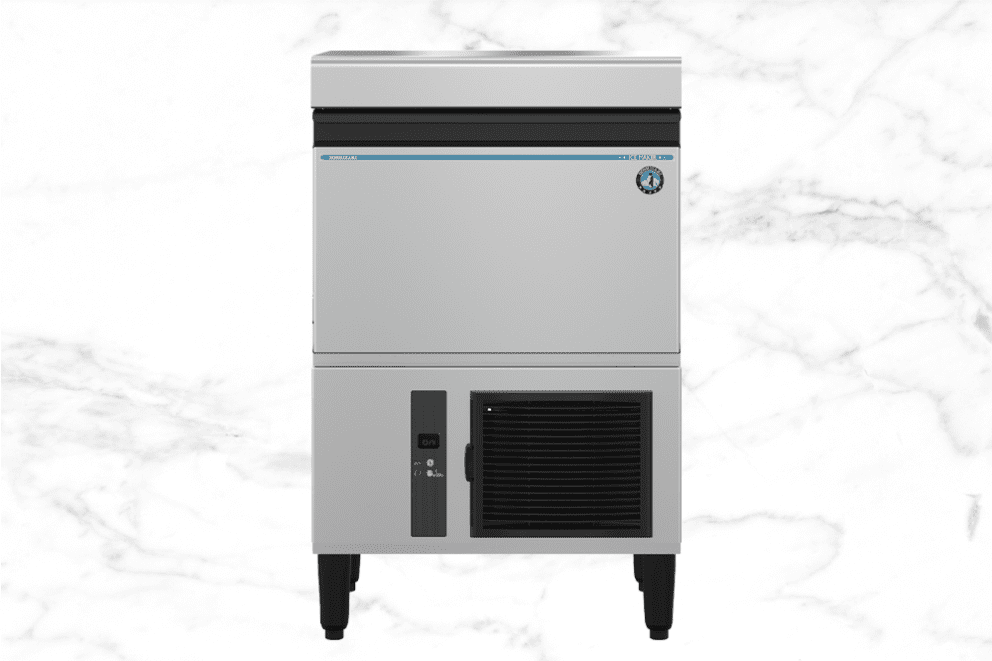
Quick answer: Buying, financing, and leasing solve different business problems. Buying usually gives the lowest contractual complexity and immediate ownership. Financing spreads the purchase cost over time and commonly leads to ownership, subject to the lender agreement. A service-inclusive ice-machine lease can combine equipment use with defined maintenance or repair coverage, but ownership, service, installation, end-of-term options, and early-termination costs depend entirely on the written contract.
Lease, finance, or buy: the practical comparison
- Buy: Best for stable operations planning to keep the equipment; it has the largest upfront outlay, the buyer owns the machine, and the buyer handles maintenance and repairs except covered warranty work.
- Finance: Best for businesses preserving cash while working toward ownership; down payment and scheduled payments vary by lender, ownership depends on the agreement and lien terms, and service is usually the operator’s responsibility unless separately included.
- Lease or rental: Best for operators prioritizing predictable equipment and service costs; payments recur, ownership usually remains with the lessor unless a purchase option applies, and only services written into the agreement are included.
Ready to compare options? Review our Hoshizaki ice machines, then contact our team for a current equipment quote and help matching the machine to your installation.
When buying a Hoshizaki ice machine makes sense
Buying is often the cleanest choice when the location, ice demand, utilities, and equipment plan are stable. You control the asset and can continue using, relocating, trading, or selling it subject to any applicable restrictions. There is no equipment-finance payment after purchase, but the business should budget for installation, water treatment, cleaning, sanitizing, preventive maintenance, repairs, and eventual replacement.
Buying does not eliminate risk. A machine that is incorrectly sized, incompatible with the available utilities, or installed in a poor environment can become an expensive asset. Confirm the model, condenser type, bin or dispenser, voltage, water, drainage, ventilation, and service access before ordering. Use our Hoshizaki installation checklist during planning.
When equipment financing makes sense
Financing can preserve operating cash while allowing the business to obtain the machine it actually needs. The tradeoff is the total financing cost and the contractual obligation to make payments. Approval, interest or finance charges, down payment, collateral, personal guarantees, late fees, insurance requirements, and prepayment terms vary by lender and applicant.
Do not evaluate financing from the monthly payment alone. Compare the amount financed, total scheduled payments, fees, payment frequency, term, prepayment provisions, security interest, and what happens after default. Confirm when legal ownership transfers and whether the lender places a lien on the equipment or other business assets.
When leasing or renting makes sense
A lease or rental can be valuable when the operator wants a defined recurring cost and prefers another company to retain ownership of the equipment. Some programs include installation, scheduled cleaning, preventive maintenance, or repairs; others provide only the equipment. The contract—not the word “lease”—determines what is included.
For businesses within B&G Refrigeration and Avalanche Ice’s qualifying service area, a service-inclusive program may be available for eligible equipment and locations. Availability, pricing, term length, installation charges, cleaning frequency, repair coverage, relocation, renewal, early termination, and end-of-term options must be confirmed in the current written proposal. This local service program should not be confused with nationwide online equipment sales from HoshizakiIceMaker.com.
Calculate the real cost of each option
Use the same evaluation period for all three choices. A useful comparison is:
Total cost = upfront payment + scheduled payments + installation + required accessories + water treatment + maintenance + repairs + insurance or fees − expected residual value.
For a lease, include every initial payment, installation charge, service exclusion, usage or relocation charge, renewal payment, purchase option, and early-termination exposure. For financing, include interest or finance charges, documentation fees, required insurance, and any balloon or final payment. For a purchase, include the installed cost and a realistic maintenance and repair reserve.
Do not assign a resale value or tax benefit unless it is supported by your own facts. Equipment condition, age, local demand, tax treatment, accounting treatment, and contract structure can change the result. Ask your accountant or tax adviser about your specific transaction.
Choose the machine before choosing the payment
The payment method should not determine the wrong piece of equipment. First establish the required ice type, realistic peak demand, storage needs, condenser type, physical dimensions, utilities, and operating conditions. Then compare payment options for the same complete equipment package.
Rated ice production changes with room temperature, incoming-water temperature, airflow, scale, and other conditions. Review the exact model’s official production data instead of using a generic pounds-per-guest formula. See what affects Hoshizaki ice-machine output and our commercial ice-machine buying guide.
Questions to ask before buying
- What is the complete installed price, including the bin, adapter, filter, drain components, remote condenser, line set, freight, and startup?
- Who is responsible for installation, permits, utility changes, startup, and warranty registration?
- What maintenance and cleaning costs should be budgeted?
- What does the manufacturer warranty cover, and what can void coverage?
- Does the business expect to use this configuration long enough to justify ownership?
Questions to ask before financing
- What are the amount financed, annual percentage rate or stated finance charge, term, payment schedule, fees, and total scheduled payments?
- Is there a down payment, balloon payment, lien, collateral requirement, or personal guarantee?
- Can the balance be paid early, and is there a prepayment charge?
- When does ownership transfer?
- What happens if the equipment fails while payments remain due?
Questions to ask before leasing or renting
- Who owns the machine during and after the agreement?
- Exactly which installation, cleaning, maintenance, labor, parts, and emergency services are included?
- What conditions, damage, misuse, water problems, or after-hours work are excluded?
- Who pays for utility changes, filters, consumables, permits, and code corrections?
- Can the equipment be moved or exchanged if the location or demand changes?
- What are the renewal, purchase, return, and early-termination provisions?
- What happens if the business closes, changes ownership, or relocates?
Which option is usually best?
- Buy when the operation is stable, sufficient cash remains after the purchase, and long-term ownership is valuable.
- Finance when ownership is the goal but preserving working cash is more important than avoiding finance costs.
- Lease or rent when predictable service support and lower initial cash requirements are more valuable than ownership—provided the written coverage and exit terms are acceptable.
The best decision is the one that fits both the equipment requirement and the business’s risk tolerance. Compare written proposals for the same machine package rather than comparing an advertised monthly payment with an incomplete cash price.
Frequently asked questions
Is leasing the same as financing?
No. Financing generally funds a purchase, while a lease or rental generally gives the customer the right to use equipment owned by another party. Some agreements include purchase options or are structured differently, so the contract controls.
Does an ice-machine lease always include repairs?
No. Coverage varies. The agreement should identify included labor, parts, cleaning, preventive maintenance, emergency service, exclusions, and customer responsibilities.
Is buying always cheaper?
Not necessarily. Buying avoids lease or finance charges but shifts maintenance, repair, downtime, and residual-value risk to the owner. Compare total cost over the same period.
Can I claim a tax deduction for buying or leasing?
Tax treatment depends on the transaction structure and the taxpayer’s circumstances. Do not rely on a general equipment article for tax advice; have a qualified tax professional review the agreement.
Should I select a machine based on the monthly payment?
No. Select the correct ice type, capacity, storage, condenser, utilities, and installation package first. Then compare purchase, finance, and lease proposals for that same solution.
This article provides general equipment-purchasing information, not legal, lending, accounting, or tax advice. Current written quotations and agreements control all pricing, availability, coverage, and obligations.
Featured Product
Recent Posts



My Account
Sign in or create an account to check out faster and track your orders.