
Sign in
Ice Types
July 22, 2019
745
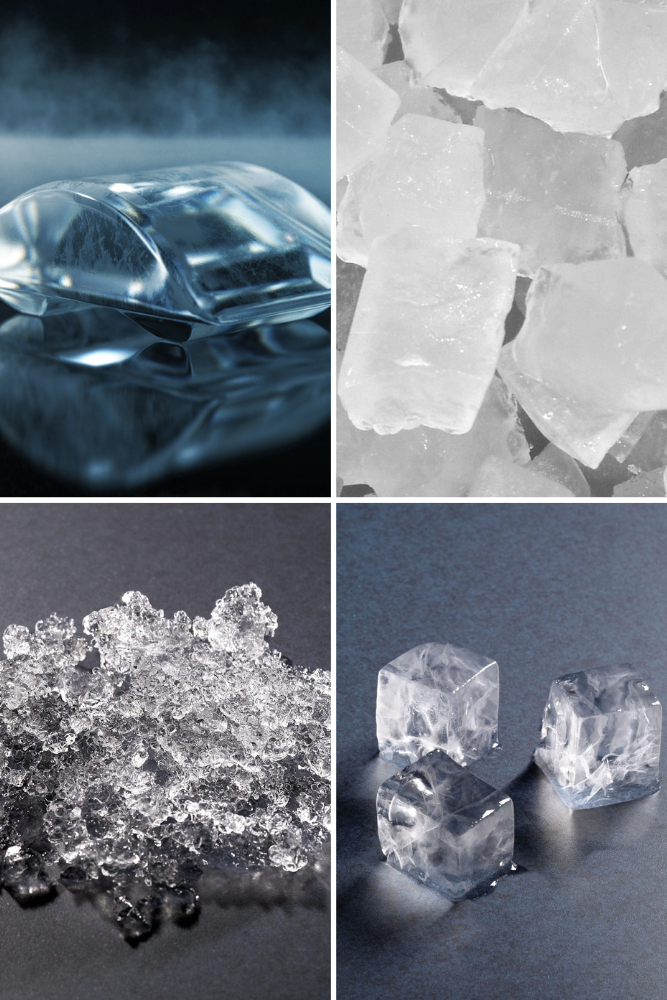
Quick answer: Ice type affects texture, appearance, melt behavior, dispensing compatibility, storage, and the way a drink or food display performs. Choose the ice first, then select a current Hoshizaki machine that produces that exact form at the capacity your operation requires.
Crescent ice
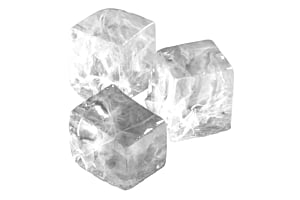
Hoshizaki crescent ice has a curved profile and is widely used for beverages and general foodservice. Its shape, hardness, and displacement characteristics make it a versatile choice, but buyers should confirm the exact cube dimensions and machine series on the current specification sheet.
Square and specialty cubes
Square and specialty hard cubes emphasize presentation and slower dilution for certain beverage programs. Glass dimensions, cocktail style, expected volume, harvest method, and storage compatibility should be reviewed before selection.
Top-hat ice
Top-hat-style ice is a distinctive hard cube often used where presentation matters. Confirm that the current machine, storage, utilities, and production rating fit the application rather than relying on an older model reference.
Flake ice
Flake ice is soft and moldable. Common applications include seafood and produce displays, food processing, healthcare, and other uses where ice must pack closely around a product. Sanitation, drainage, storage, and handling practices remain important.
Cubelet ice
Cubelet ice is small, soft, and chewable. It is popular in healthcare, beverage, and self-service settings. The icemaker, dispenser, storage, and dispensing mechanism must all be compatible with the selected cubelet form.
Match ice type to the complete system
- Confirm the current ice shape and dimensions.
- Measure realistic peak demand rather than using a universal per-customer formula.
- Compare production at expected room and incoming-water temperatures.
- Provide enough compatible storage and recovery capacity.
- Verify condenser type, electrical service, water, drainage, ventilation, and service access.
- Check dispenser and bin compatibility before ordering.
Use the ice calculator as a planning aid, then verify the result against actual usage records and the exact model data. Our commercial ice-machine buying guide explains the remaining selection steps.
Ready to compare current models by ice type? Browse our Hoshizaki ice machines or contact our team for model-specific guidance.
Featured Product
Recent Posts



My Account
Sign in or create an account to check out faster and track your orders.