
Sign in
Hoshizaki flake ice
-
March 02, 2026 64
FAQ: Do I Need F Series Flakers for Banquet Service at My Cafeterias?
Not automatically. Hoshizaki F Series flake ice is valuable for food displays, produce, seafood, and some food-handling applications, but it is not the default choice for beverage-focused banquet service.
Identify the actual use
Separate food-display and preparation needs from drinking-ice demand. Flake ice molds around pans and products, while crescent or square cubes may be a better fit for glasses and beverage stations.
Calculate peak banquet demand
Count simultaneous events, buffet displays, beverage service, transport, replenishment, and recovery time. Verify the exact model’s published output at relevant conditions, storage compatibility, and the effect of warm kitchens.
Plan safe handling
Confirm local food-code requirements, dedicated scoops and containers, drainage, cleaning and sanitizing, filtration, staff workflow, and preventive maintenance. Verify
-
December 17, 2025 113
Quick answer: Choose a Hoshizaki F-series flaker when an operation needs soft, moldable flake ice for an approved food-display, food-preparation, produce, seafood, therapeutic, or process application and the exact model fits measured demand, storage, condenser, electrical, water, drain, ventilation, sanitation, and service requirements. Verify the model-specific documents before selecting equipment.
What flake ice is
Flake ice consists of small, irregular pieces that pack and mold around products or containers. Its shape and surface contact distinguish it from hard crescent cubes and chewable cubelet ice. Those physical characteristics can make flake ice useful for displays and processes where conforming coverage is important.
The ice itself does not establish food safety, infection control, or regulatory compliance. Temperature control depends on the complete operating procedure, product, time, equipment, monitoring, sanitation, and applicable requirements.
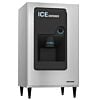
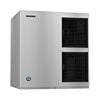
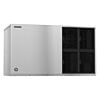
Featured Product
Recent Posts

My Account
Sign in or create an account to check out faster and track your orders.