
Sign in
commercial ice machine
-
December 24, 2025 87
Quick answer: Ice type can affect beverage presentation, portion consistency, perceived value, and how quickly a drink changes after service. The profitable choice is the Hoshizaki ice style that fits the menu and workflow while meeting peak demand reliably—not simply the machine with the highest production number.
How ice choice influences beverage profit
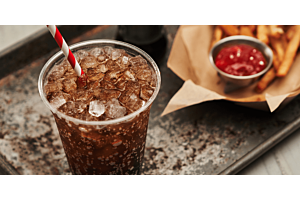
Ice is part of the finished beverage. Its shape, texture, displacement, and melt behavior influence the way a drink looks, how much liquid is poured, how consistently employees build it, and how guests experience it. Those small differences can affect ingredient use, service speed, repeat purchases, and waste across hundreds of drinks.
The goal is not to minimize liquid at the expense of the customer. The goal is to establish an intentional recipe: the correct glass, measured ingredients, specified ice fill, and repeatable presentation. When the equipment consistently supplies the ice that recipe requires,
-
December 20, 2025 498
Quick answer: Hoshizaki KM crescent ice and traditional full-cube ice are different formats, not a simple better-versus-worse choice. Crescent ice is designed for dependable beverage service and efficient dispensing, while a conventional cube may be selected for a different look, glass presentation, or handling preference. Compare the actual machine specification, drink program, storage method, and service workflow before choosing.
What is Hoshizaki crescent ice?
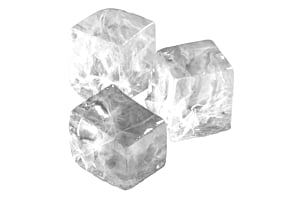
Hoshizaki KM machines produce a distinctive crescent-shaped cube. The curved profile is associated with the KM family and is used across many foodservice applications, including restaurants, hotels, bars, cafeterias, and institutional kitchens. Exact cube dimensions, production ratings, condenser type, voltage, and approved storage combinations vary by model.
The word “crescent” describes the ice form. It does not by itself identify machine capacity, energy use, installation requirements, or whether
Featured Product
Recent Posts


My Account
Sign in or create an account to check out faster and track your orders.