
Sign in
Choosing a Hoshizaki Ice Machine for a School
December 30, 2025 179
Choosing a Hoshizaki Ice Machine for a School
Quick answer: size the system from measured peak cafeteria, athletics, event, and staff demand—not a generic pounds-per-day rule. Confirm the required ice form, usable storage, electrical service, water supply, drainage, ventilation, sanitation plan, and service access before choosing an exact Hoshizaki model.
Start with the operation
Record the number of meals and drinks served in the busiest period, how much ice must be ready before service, and any separate demand from training rooms, concessions, nurse stations, or staff areas. If those uses occur in different parts of the campus, separate machines can be more practical than moving ice through hallways.
Choose the right ice form
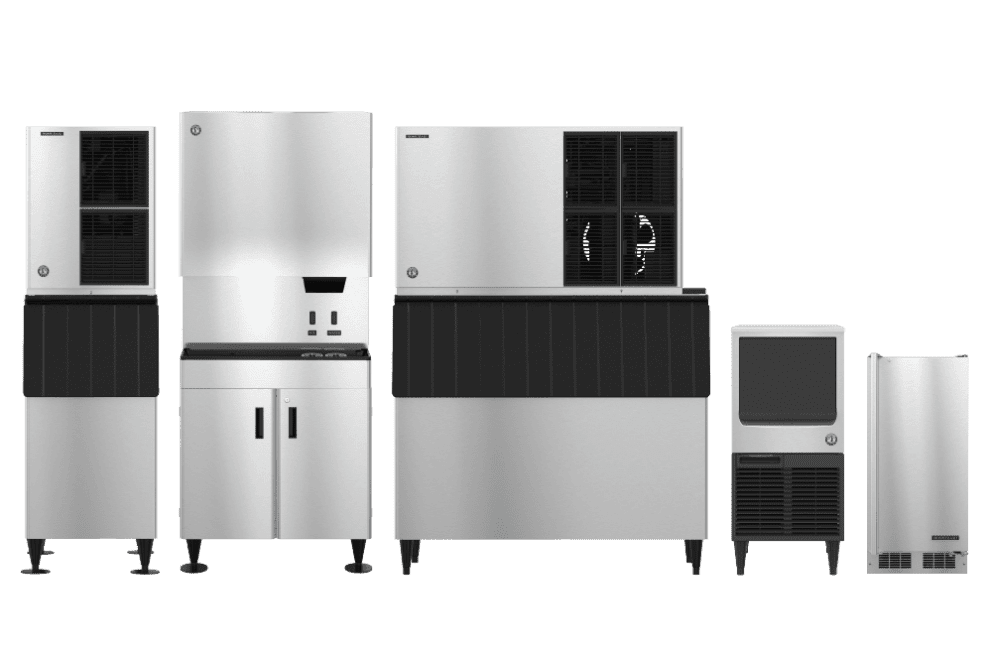
Crescent or cube ice works well for beverage service. Cubelet ice is chewable and can suit dispensers. Flake ice packs closely around products and treatment bags. The best choice depends on the actual use and compatible storage or dispensing equipment.
Compare production and storage realistically
Published production is measured under rated conditions and can fall in warmer rooms or with warmer incoming water. Storage is a reserve, not added daily production. Compare peak draw, recovery time, and the compatible bin or dispenser instead of selecting by headline output alone.
Verify the site before ordering
- Measure the complete machine, bin or dispenser, required clearances, doors, and delivery path.
- Confirm voltage, phase, breaker, receptacle or disconnect, water pressure, drain type, and backflow requirements.
- Plan heat rejection and ventilation for the selected condenser arrangement.
- Keep filters, panels, and the bin accessible for cleaning and service.
Water treatment and sanitation
Match filtration to local water conditions, flow, and the exact machine specification. Follow the manufacturer’s cleaning and sanitizing schedule, replace filters as required, and train staff to use a clean scoop and keep the bin protected.
School buyer checklist
- Measured peak demand and required reserve
- Ice form for beverages, dispensing, or athletics
- Compatible head, bin, dispenser, and accessories
- Verified utilities, drainage, ventilation, and clearances
- Water-treatment and preventive-maintenance plan
- Local service access and total installed cost
Use our Hoshizaki ice-machine collection, ice calculator, and filter-sizing matrix to build a shortlist. For help confirming compatibility, contact our team with your peak-demand estimate and site details.
Featured Product
Recent Posts

My Account
Sign in or create an account to check out faster and track your orders.