
Sign in
Crescent Ice vs. Traditional Cube: Choosing the Right Format
December 20, 2025 511
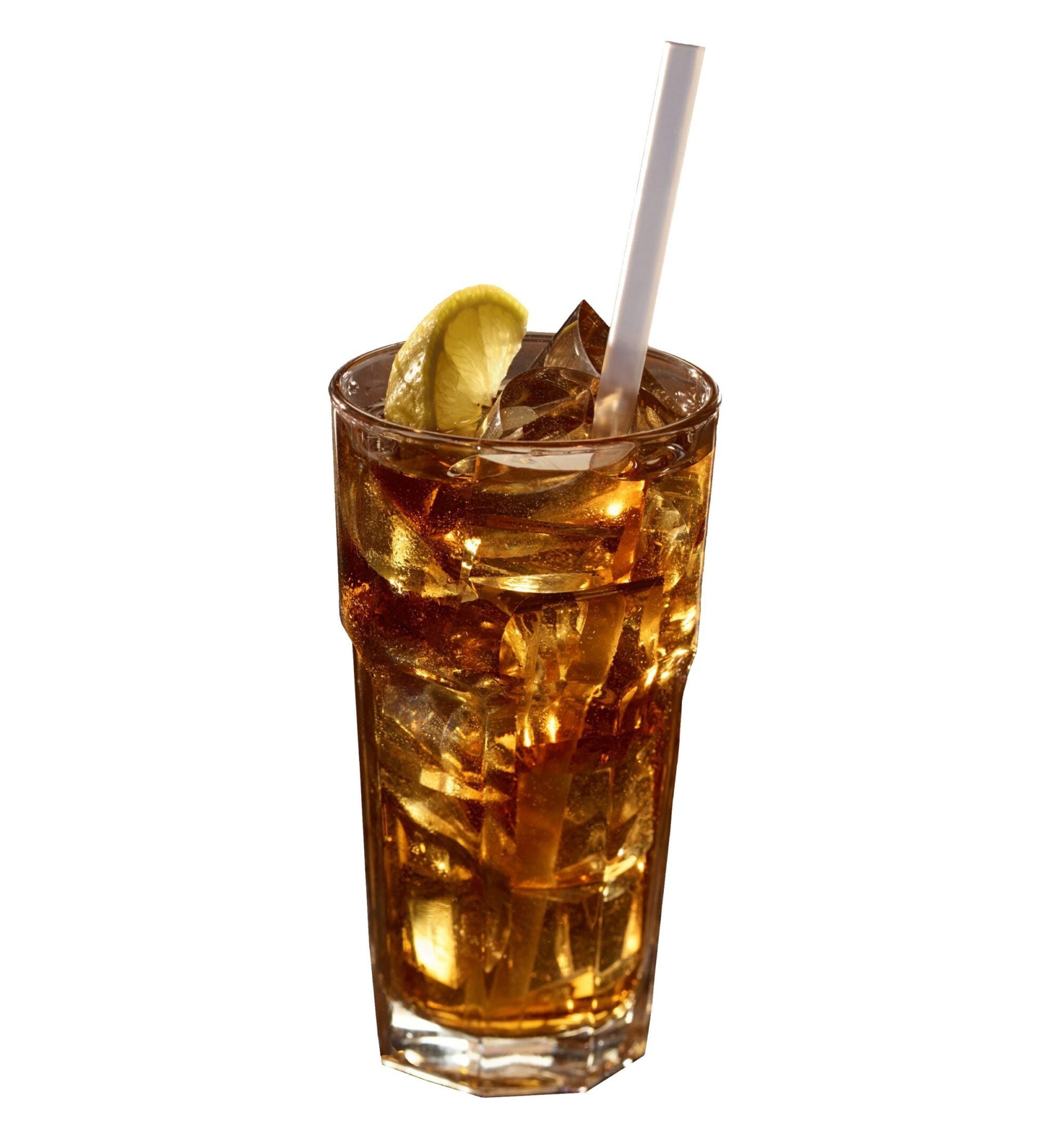
Quick answer: Hoshizaki KM crescent ice and traditional full-cube ice are different formats, not a simple better-versus-worse choice. Crescent ice is designed for dependable beverage service and efficient dispensing, while a conventional cube may be selected for a different look, glass presentation, or handling preference. Compare the actual machine specification, drink program, storage method, and service workflow before choosing.
What is Hoshizaki crescent ice?
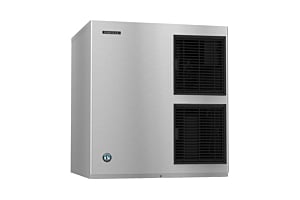
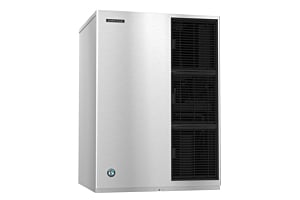
Hoshizaki KM machines produce a distinctive crescent-shaped cube. The curved profile is associated with the KM family and is used across many foodservice applications, including restaurants, hotels, bars, cafeterias, and institutional kitchens. Exact cube dimensions, production ratings, condenser type, voltage, and approved storage combinations vary by model.
The word “crescent” describes the ice form. It does not by itself identify machine capacity, energy use, installation requirements, or whether the unit is air-cooled, water-cooled, or remote-cooled. Those details must come from the current specification sheet for the exact model suffix.
Crescent ice versus a traditional cube
Shape and beverage presentation
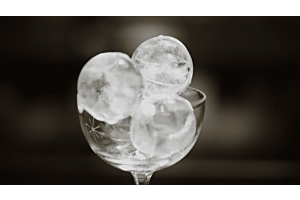
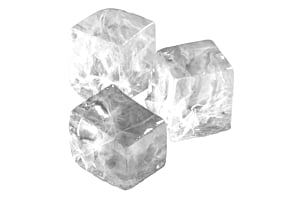
A crescent has a curved profile that creates a recognizable Hoshizaki presentation in a glass. A square or rectangular cube creates a different visual pattern. Neither shape guarantees a particular drink quality; glass size, ice quantity, beverage temperature, handling, and service time all influence the guest experience.
Dispensing and handling
Ice must move from the storage bin to the glass without creating unnecessary delays or sanitation risks. Evaluate how the chosen form works with scoops, dispensers, transport containers, and the narrowest glassware in the operation. Test the actual workflow during busy service rather than relying only on photographs.
Melt and dilution
Statements that one ice shape always melts more slowly or stays clearer longer are too broad. Melt rate depends on surface area, cube mass, starting temperature, beverage temperature, agitation, ambient conditions, and time. Water quality and machine operation can also affect appearance. Use a side-by-side test under your real service conditions if dilution or presentation is a critical requirement.
When crescent ice is a strong fit
- The operation wants a versatile beverage ice format for high-volume foodservice.
- Staff need a familiar Hoshizaki KM workflow with compatible bins or dispensers.
- The curved cube works well in the operation’s cups, glasses, and beverage equipment.
- A specific KM model meets verified peak-demand, utility, clearance, and heat-rejection requirements.
- Local service support and routine cleaning procedures are available for the selected configuration.
When to compare another ice type
Consider square-cube equipment when a geometric cube presentation is central to the beverage concept. Cubelet ice may fit customers who prefer a soft, chewable texture. Flake ice is commonly evaluated for product displays, food preparation, and other applications needing moldable ice. Large specialty forms may support select cocktail programs. Each option changes production, storage, handling, and equipment requirements.
Size the machine from measured demand
Start with actual daily usage and the busiest service window. Record beverage volume, refill patterns, bagging or transport needs, food-preparation use, and seasonal peaks. Add a reasonable operational buffer, but avoid a universal percentage that ignores the site. Published pounds-per-24-hours ratings are measured under stated test conditions and are not a promise of identical output in every installation.
Ambient air temperature, incoming water temperature, ventilation, maintenance condition, and condenser placement can affect performance. Compare the manufacturer’s production table with expected site conditions. Then make sure the paired bin provides enough usable storage without encouraging excessive inventory or poor ice rotation.
Match the exact KM configuration
Hoshizaki model numbers and suffixes matter. Two KM units with similar base numbers can have different electrical requirements, condenser arrangements, refrigerant systems, or installation needs. Verify all of the following on the current manufacturer literature before ordering:
- complete model number and suffix;
- certified production ratings at relevant air and water conditions;
- voltage, phase, frequency, and circuit requirements;
- air-cooled, water-cooled, or remote-cooled condenser configuration;
- water supply, drain, and filtration requirements;
- equipment dimensions, clearances, and heat rejection;
- approved bin, dispenser, adapter, and ice-level-control compatibility;
- warranty terms and service availability for the installation location.
Installation affects real-world results
An air-cooled machine needs enough ventilation and clearance to reject heat. A water-cooled model needs an appropriate condenser-water arrangement and must comply with local requirements. A remote system adds line-set, condenser-location, and qualified-installation considerations. All configurations require correctly sized utilities, a suitable drain, level installation, and access for cleaning and service.
Do not treat the storage bin as an afterthought. Confirm the machine-to-bin footprint and approved adapter, understand where the ice-level control will stop production, and provide safe access for scooping and sanitation. A technically adequate ice maker can still create a poor workflow if the bin height or access does not fit the staff.
Water quality, clarity, and sanitation
Ice is food. Use potable water, follow the manufacturer’s cleaning and sanitizing instructions, and comply with local health requirements. Filtration may help address sediment, taste, odor, or scale, but the correct treatment depends on a water analysis and the equipment specification. A filter does not replace scheduled cleaning, inspection, and preventive maintenance.
Visible clarity can vary with dissolved minerals, entrained air, water conditions, and operating performance. Avoid promising crystal-clear ice solely because of the machine brand or cube shape. If appearance matters, inspect samples produced with representative site water and maintain the equipment as directed.
A practical comparison test
- Choose the actual cups and glasses used during service.
- Measure a consistent beverage and ice quantity.
- Compare presentation, displacement, handling, and guest preference.
- Repeat the test at realistic beverage and ambient temperatures.
- Time the full service workflow, including dispensing or scooping.
- Document the result before selecting the machine and storage package.
Frequently asked questions
Does crescent ice always melt more slowly than a traditional cube?
No universal claim is reliable. Cube mass, surface area, temperature, beverage conditions, and time all affect melting and dilution. Test comparable quantities under the conditions that matter to your operation.
Is every Hoshizaki KM machine the same?
No. Capacity, electrical data, condenser type, dimensions, and compatible storage equipment vary. Verify the complete model number and its current documentation.
Can a KM head go on any ice bin?
No. Use a manufacturer-approved combination and any required adapter or controls. Confirm the complete package before purchase.
Should I choose ice shape before capacity?
Choose them together. The preferred ice form must also be available in a configuration that meets measured demand, storage, utilities, space, and service requirements.
Bottom line
Choose Hoshizaki KM crescent ice when its shape, handling, machine configuration, and storage package fit the real beverage workflow. Compare traditional cubes using measured service conditions, not unsupported claims about clarity or melt time. The best selection is the exact documented system that meets demand and can be installed, cleaned, and serviced correctly.
For more model-selection context, review our Hoshizaki KM Edge crescent-ice guide and Hoshizaki ice-type comparison.
Ready to compare ice formats? Browse our Hoshizaki ice machines and contact our team to match the exact machine, storage, utilities, and installation requirements to your beverage program.
Featured Product
Recent Posts

My Account
Sign in or create an account to check out faster and track your orders.