
Sign in
How Ice Type Affects Beverage Profit
December 24, 2025
85
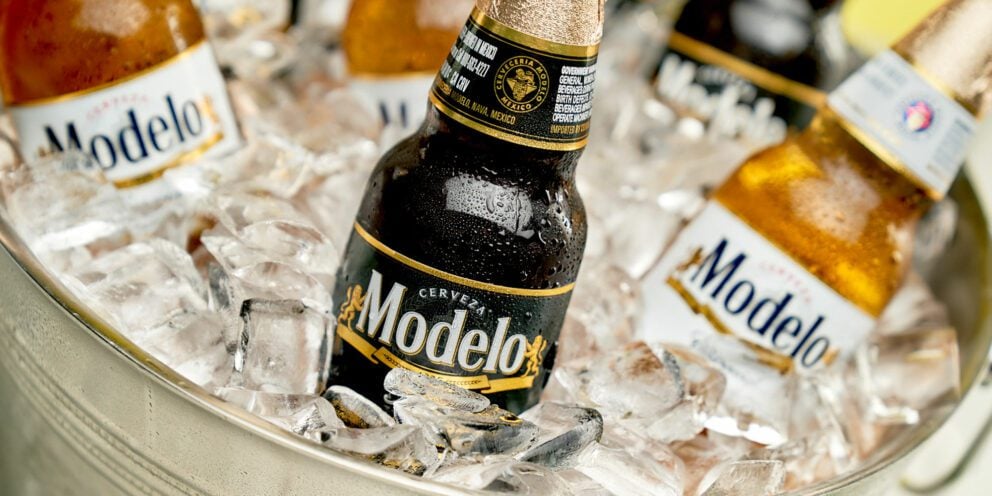
Quick answer: Ice type can affect beverage presentation, portion consistency, perceived value, and how quickly a drink changes after service. The profitable choice is the Hoshizaki ice style that fits the menu and workflow while meeting peak demand reliably—not simply the machine with the highest production number.
How ice choice influences beverage profit
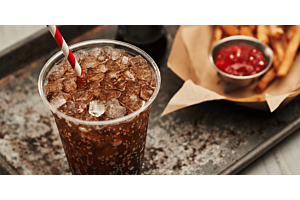
Ice is part of the finished beverage. Its shape, texture, displacement, and melt behavior influence the way a drink looks, how much liquid is poured, how consistently employees build it, and how guests experience it. Those small differences can affect ingredient use, service speed, repeat purchases, and waste across hundreds of drinks.
The goal is not to minimize liquid at the expense of the customer. The goal is to establish an intentional recipe: the correct glass, measured ingredients, specified ice fill, and repeatable presentation. When the equipment consistently supplies the ice that recipe requires, managers can control cost without compromising the product.
Match Hoshizaki ice styles to the menu
Crescent cubes for broad beverage service
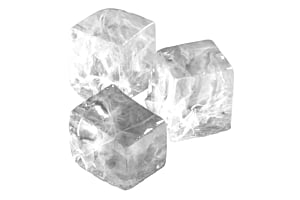
Hoshizaki crescent-style cubes are widely used in foodservice beverage programs. They can suit soft drinks, water, tea, mixed drinks, and general bar service when the operation wants a recognizable hard-cube presentation. The exact machine must still be selected for the required production, condenser configuration, utilities, and storage arrangement.
Cubelet ice for a soft, chewable experience
Cubelet or nugget-style ice can become part of the product rather than merely a coolant. It may support fountain beverages, healthcare hydration, specialty drinks, or concepts where guests actively prefer chewable ice. Because customers may consume more of it, demand and storage assumptions should reflect real service behavior.
Specialty cubes for premium presentation
Square or other specialty cubes can help communicate a premium position in cocktails and presentation-focused beverages. Their value depends on whether the glassware, recipe, price point, and guest expectations support that visual distinction. A premium-looking cube does not create profit by itself; the entire beverage program must use it intentionally.
Flake ice for displays and specialized uses
Flake ice is moldable and commonly considered for food displays and other applications identified by the manufacturer. It is generally not a direct substitute for a beverage cube. Choose it only when its texture and operating characteristics fit the actual use.
Four ways ice affects margin
1. Portion consistency
A defined ice fill and measured recipe reduce variation between employees and shifts. Consistency protects both the customer experience and the ingredient target. Train staff to follow the approved build rather than estimating by eye.
2. Presentation and perceived value
Clear glassware, a clean ice form, proper garnish, and a consistent fill line help a beverage look deliberate. That presentation can support menu positioning, especially where specialty drinks or cocktails command a higher price.
3. Melt and drink quality
Every ice style behaves differently in a specific glass and recipe. Service time, drink temperature, agitation, ambient conditions, and the starting temperature of ingredients also matter. Test the complete drink under realistic conditions instead of making a profit decision from ice shape alone.
4. Availability during peak service
An empty bin creates more damage than a small theoretical saving in ingredient displacement. Running out of ice can slow service, eliminate menu items, trigger emergency purchases, and disappoint guests. Production and storage should be sized around the busiest operating period and expected recovery time.
Calculate demand before selecting equipment
Begin with the number of beverages served during the peak hour, the standard ice quantity per serving, and the ice needed for other uses. Add the initial bin fill, expected replenishment, cleaning windows, seasonal changes, and a reasonable operating reserve. Compare that demand with the current Hoshizaki specification for the exact model under conditions that resemble the installation.
Published production can vary with incoming water temperature and surrounding air conditions. Storage capacity, ventilation, water quality, drain design, and condenser type also affect whether the system works in practice. A model number that appears similar to another may have different electrical or installation requirements, so verify the complete exact-model documentation.
Operational practices that protect beverage profit
- Standardize recipes, glass sizes, scoops, and fill levels.
- Track peak-period ice shortages and unused end-of-day inventory.
- Keep the machine, bin, scoop, and surrounding area on a documented cleaning schedule.
- Monitor water quality and service filtration according to the equipment and local conditions.
- Train employees to report unusual ice quality, slow recovery, leaks, or abnormal machine sounds.
- Use qualified service personnel for diagnosis and repair.
Ice is food. Sanitation and preventive maintenance are not merely maintenance expenses; they protect beverage quality, equipment reliability, and the reputation of the operation.
Evaluate profitability with a simple field test
Select several high-volume beverages and document their current recipe, selling price, ingredient cost, glass size, ice quantity, preparation time, and waste. Prepare each beverage using the proposed ice style and have the team evaluate appearance, temperature, taste over the normal consumption period, and ease of service.
Then calculate the operational effect across realistic sales volume. Include equipment cost, installation, storage, filtration, cleaning, utilities, and service—not only the theoretical liquid displacement in one glass. This provides a more defensible view of return than a generic claim that one ice type is always more profitable.
Choose the system as a complete configuration
A sound recommendation identifies the ice style, peak demand, ice maker, compatible bin or dispenser, any required adapter, condenser configuration, utilities, ventilation, drainage, and service clearance. Confirm each component against current Hoshizaki literature before purchase.
The best Hoshizaki choice is the system that consistently supports the menu promise. When the ice, recipe, training, storage, and maintenance plan work together, the operation gains stronger cost control and a more repeatable guest experience.
For format selection, review our Hoshizaki ice-type comparison and commercial buying guide.
Ready to compare ice systems for your beverage program? Browse our Hoshizaki ice machines and contact our team with your recipes, measured demand, storage, and installation requirements.
Featured Product
Recent Posts


My Account
Sign in or create an account to check out faster and track your orders.