
Sign in
Chewable Ice: When Hoshizaki Cubelet Fits the Application
December 22, 2025 89

Quick answer: Choose Hoshizaki cubelet ice when its soft, compact texture supports the beverages, guest preferences, dispensing method, and service volume of the operation. Cubelet ice can be appealing in soft drinks and selected self-service programs, but it is not automatically right for every restaurant, healthcare setting, hotel, or bar. Match the exact machine to measured demand, utilities, storage, and sanitation requirements.
What is Hoshizaki cubelet ice?
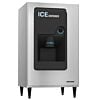
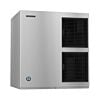
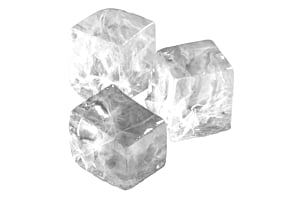
Cubelet ice is formed from compressed flakes, creating small, irregular pieces with a softer texture than many solid cubes. Hoshizaki F-series cubelet configurations include different equipment types and capacities. The exact model number determines production, electrical requirements, condenser arrangement, dimensions, storage compatibility, and installation details.
Do not treat “cubelet” as a complete specification. Some machines are production heads, while others may be paired with storage or dispensing equipment. Confirm the entire documented package before purchase.
Why guests may prefer cubelet ice
Texture
Many people enjoy cubelet ice because it is comparatively soft and chewable. That preference can be useful in fountain drinks and selected specialty beverages. It should be treated as a customer-experience choice, not a medical claim or a guarantee that every guest will prefer it.
Beverage contact
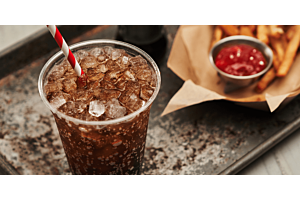
Small pieces create substantial contact with a beverage and can chill drinks effectively. They also occupy and displace liquid differently from larger cubes. Test the actual cup, beverage portion, ice quantity, and holding time so recipes and costs reflect real service conditions.
Visual identity
Cubelet ice gives a drink a recognizable appearance that can support a casual, fountain, or specialty-beverage presentation. If a bar needs a formal geometric cube or a kitchen needs moldable flake ice, another Hoshizaki ice form may be more appropriate.
Good applications for cubelet ice
- Self-service fountain drinks where customers value the soft texture
- Quick-service and casual restaurants with consistent beverage volume
- Hotels, offices, and hospitality areas with an appropriate dispenser workflow
- Specialty beverages tested successfully with the actual cup and recipe
- Operations able to maintain the required cleaning and sanitation schedule
Suitability depends on the specific model and application. Never describe a machine as approved for a regulated use unless the current manufacturer documentation and applicable local requirements support that statement.
Compare cubelet with other ice forms
KM crescent ice is often evaluated for broad commercial beverage service. IM square cubes may support a more geometric glass presentation. Flake ice can be useful for food displays and preparation because it conforms around products. Large specialty ice may fit selected cocktail programs. Compare the complete workflow, not only the appearance of the ice.
Measure demand before selecting capacity
Use operating records to calculate daily consumption and the busiest service window. Include refills, employee use, transport, beverage peaks, and seasonal changes. Published pounds-per-24-hours ratings are measured under stated conditions. Actual output can vary with ambient air, incoming water temperature, ventilation, maintenance, and condenser conditions.
Storage and dispensing capacity must support the same peak. A machine can have an adequate daily rating yet still create shortages if usable storage or dispensing recovery is insufficient. Oversizing can increase cost, footprint, heat, and maintenance without improving service.
Verify the exact machine and package
- Complete model number and suffix
- Cubelet production ratings at relevant conditions
- Voltage, phase, frequency, and circuit requirements
- Air-cooled, water-cooled, or other documented condenser type
- Potable-water supply, drain, and filtration requirements
- Dimensions, clearances, ventilation, and heat rejection
- Approved bin, dispenser, adapter, and control compatibility
- Cleaning procedures, warranty terms, and qualified local service
Do not borrow specifications from a similar F-series model. A suffix can identify meaningful differences in electrical or condenser configuration.
Plan dispensing and handling
Determine whether staff will scoop ice, guests will use a dispenser, or the machine will serve another documented workflow. Confirm that the selected ice form moves reliably through the approved equipment and that the installation provides comfortable, sanitary access.
Consider cup opening, dispenser clearance, fill speed, drip management, and peak queues. A successful system must deliver the preferred texture without slowing service or creating excessive spills.
Installation considerations
Confirm water, drain, electrical, ventilation, clearance, and service access before delivery. Air-cooled equipment requires adequate airflow. Water-cooled equipment requires a suitable condenser-water arrangement and compliance with local requirements. Provide level support and follow the manufacturer’s installation instructions for the exact model.
Cubelet equipment contains moving and ice-forming components that require routine inspection and maintenance. Make sure technicians can reach panels and components without dismantling the surrounding counter or cabinetry.
Water quality and maintenance
Ice is food. Use potable water, follow the manufacturer’s cleaning and sanitizing procedures, and comply with local health requirements. Filtration may help with sediment, taste, odor, or scale, but the correct treatment depends on a water analysis. A filter does not replace scheduled cleaning.
Train staff to keep hands and glassware out of storage areas, use dedicated utensils where applicable, and document sanitation. Reduced output, unusual noise, bridging, poor dispensing, or visible buildup should be investigated promptly.
Run a service test
- Use the actual cup, beverage, and portion.
- Measure a consistent quantity of cubelet ice.
- Evaluate texture, displacement, chilling, and holding time.
- Test dispensing or scooping during a realistic rush.
- Measure spills, queues, and staff handling time.
- Confirm that the selected machine and storage package can replenish the peak.
Frequently asked questions
Is cubelet ice the same as flake ice?
No. Cubelets are compressed pieces formed from flake ice, while flake ice remains loose and moldable. The applications and equipment configurations differ.
Is cubelet ice suitable for every dispenser?
No. Confirm that the exact machine, dispenser, bin, adapter, and controls are manufacturer-approved to work together.
Does chewable ice provide a health benefit?
This article makes no medical claim. Select ice based on the documented equipment application, guest preference, sanitation requirements, and professional guidance where relevant.
Will filtration prevent all scale?
No. Treatment must match the site water, and the machine still requires cleaning, inspection, and maintenance.
Bottom line
Hoshizaki cubelet ice can win guest approval when its soft texture and dispensing experience fit the beverage program. The correct decision still depends on measured demand, the exact documented model, approved storage or dispensing, site utilities, and a sustainable cleaning and service plan.
For more selection context, review our Hoshizaki cubelet-equipment guide and ice-type comparison.
Is cubelet ice right for your guests and workflow? Browse our Hoshizaki ice machines and contact our team to compare the exact machine or dispenser, storage, utilities, sanitation, and installation requirements.
Featured Product
Recent Posts

My Account
Sign in or create an account to check out faster and track your orders.