
Sign in
Hoshizaki Flake Ice for Seafood and Food Displays
December 23, 2025 174

Quick answer: Hoshizaki flake ice is designed for applications that need a soft, moldable bed of ice around displayed food. It can support attractive seafood, produce, salad-bar, and specialty-food presentations, but the correct machine and storage setup must be selected from the current Hoshizaki documentation for the actual demand, operating conditions, and local electrical requirements.
Why flake ice works well for food displays
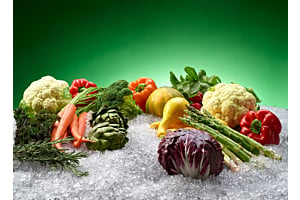
Food merchandising asks ice to do more than cool a product. The ice also shapes the display, fills gaps, supports pans or packaged items, and contributes to the customer’s first impression. Flake ice is made of small, irregular pieces that settle closely together. That texture makes it easier to form a smooth bed, build gentle slopes, and surround products without the large open spaces created by conventional cubes.
Because flakes conform to the display, staff can refresh individual areas without rebuilding the entire presentation. The result can be a cleaner, more deliberate appearance across seafood counters, salad bars, produce displays, and other chilled merchandising applications.
Where Hoshizaki flake ice may be a good fit
Fresh seafood counters
Flake ice can be shaped around fish and shellfish to create even support and a polished presentation. The display still needs proper drainage, food-safety procedures, temperature control, and frequent inspection. Ice is one part of the holding system; it does not replace the operating practices required for the food being displayed.
Salad bars and chilled pans
A moldable ice bed can help support pans and fill irregular spaces around containers. Operators should confirm that the entire service setup is approved for the intended use and that meltwater cannot contaminate food or create a slip hazard.
Produce and specialty-food merchandising
Some produce, packaged foods, and specialty retail displays benefit from the visual texture and close contact of flake ice. Suitability depends on the product, packaging, sanitation plan, and required holding temperature. Always follow the applicable food-code and manufacturer guidance.
Flake ice compared with other ice types
Flake ice is not automatically the best choice for every operation. Cube ice is commonly selected for beverages and general ice service. Cubelet or nugget-style ice is often chosen where chewable ice is part of the customer experience. Specialty cubes can support premium drink presentation. Flake ice is strongest when the priority is a soft, formable display medium or another application specifically identified by the equipment manufacturer.
Choose by application first. Substituting one ice type for another can change melt characteristics, storage behavior, sanitation routines, and customer expectations.
How to size a flake-ice system
Start with peak demand rather than an average day. Estimate the amount needed to build the initial display, replenish it during service, cover cleaning or changeover periods, and handle the busiest expected conditions. Then consider how ambient air temperature, incoming water temperature, ventilation, and installation clearances affect published production ratings.
Storage matters too. The ice maker, bin or dispenser, adapter, and accessories must be compatible as a complete system. A production figure by itself does not establish that the installation will recover quickly enough or hold the amount of ice the staff needs.
Installation and operating questions to answer
- What is the peak daily and peak-hour ice requirement?
- Is the selected unit approved for the intended display or food-contact workflow?
- Are the voltage, phase, frequency, water, drain, and ventilation requirements available at the site?
- Is the proposed bin or dispenser listed as compatible with the exact ice-maker model?
- Can staff reach the machine and storage components for routine cleaning and service?
- Does the location provide suitable drainage and a plan for managing meltwater?
Model numbers that look similar may have different production ratings, condenser configurations, electrical requirements, or approved combinations. Verify every specification against the current sheet for the exact model and serial range. Do not rely on a specification borrowed from a neighboring model.
Cleaning and food-safety considerations
Ice is food, and both the ice-making system and the display require a documented sanitation routine. Follow the current Hoshizaki instructions for cleaning and sanitizing the exact machine, bin, and accessories. Use only procedures and chemicals approved for that equipment. Display utensils, pans, drains, and surrounding surfaces should be included in the operation’s food-safety plan.
Staff should also watch for unusual ice quality, reduced production, water-management problems, or changes in machine sound. Those symptoms deserve prompt inspection by qualified personnel rather than improvised adjustments.
How to choose the right Hoshizaki flaker
A useful equipment recommendation should identify the application, required ice quantity, storage strategy, condenser preference, utilities, installation environment, and service access. With those facts in hand, the exact Hoshizaki model and approved storage combination can be checked against current manufacturer literature.
For a new installation or replacement, have a qualified equipment professional verify the final selection before purchase. The best system is not merely the machine with the largest published output; it is the documented configuration that fits the demand, utilities, space, sanitation plan, and daily workflow.
For equipment-selection context, review our Hoshizaki F-series flaker guide and installation checklist.
Planning a seafood or food-display ice system? Browse our Hoshizaki ice machines and contact our team to compare the exact flaker, storage, utilities, sanitation, and installation requirements.
Featured Product
Recent Posts

My Account
Sign in or create an account to check out faster and track your orders.